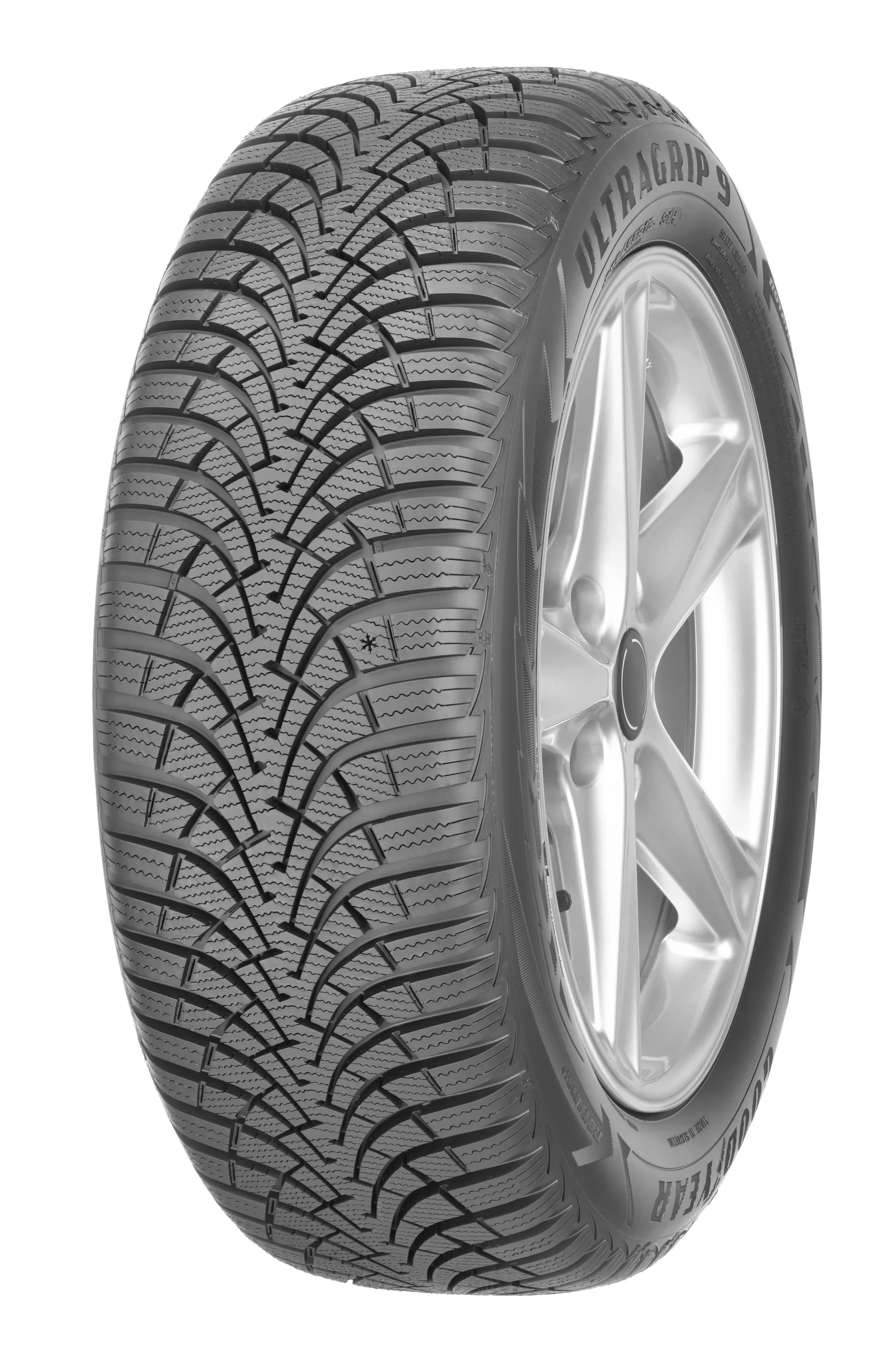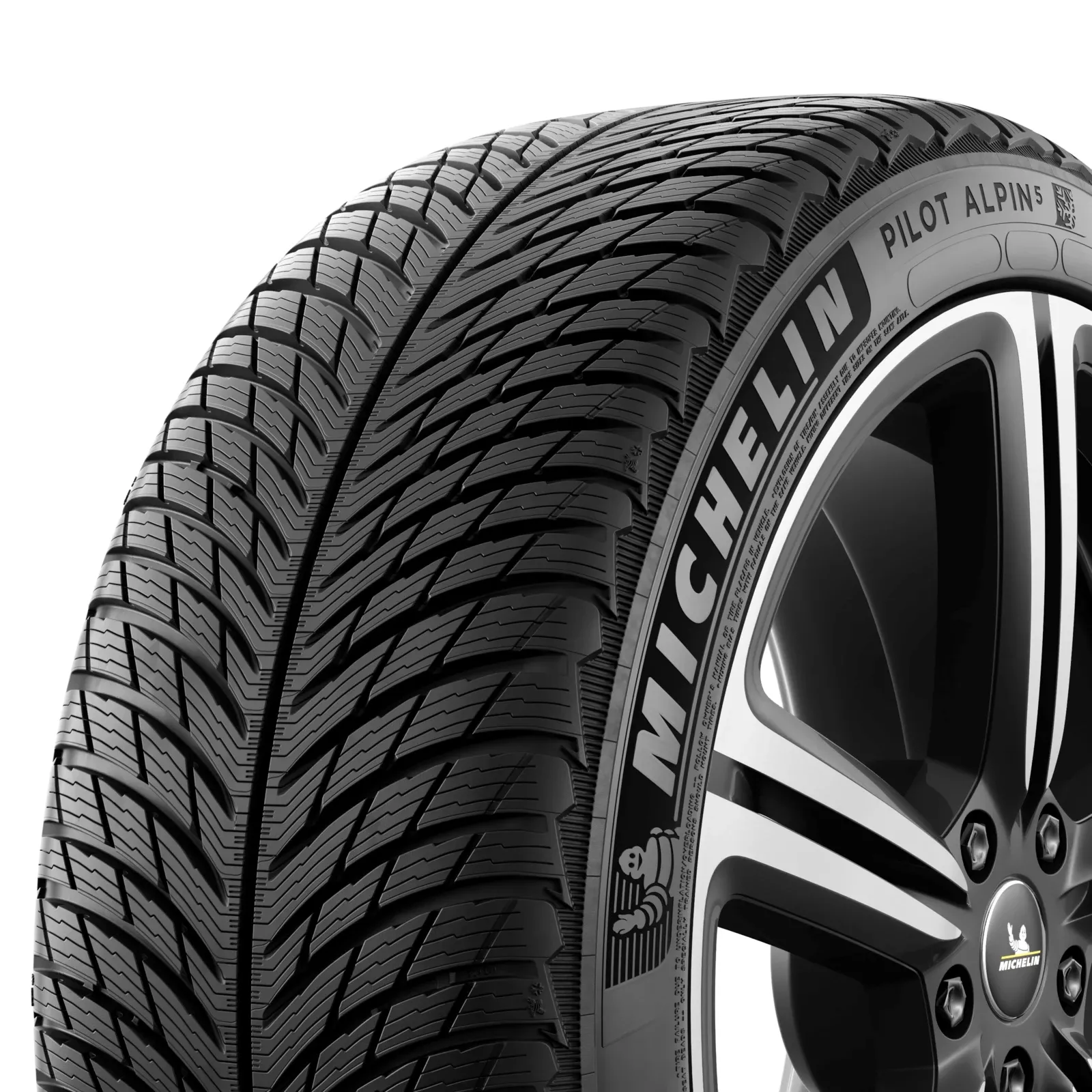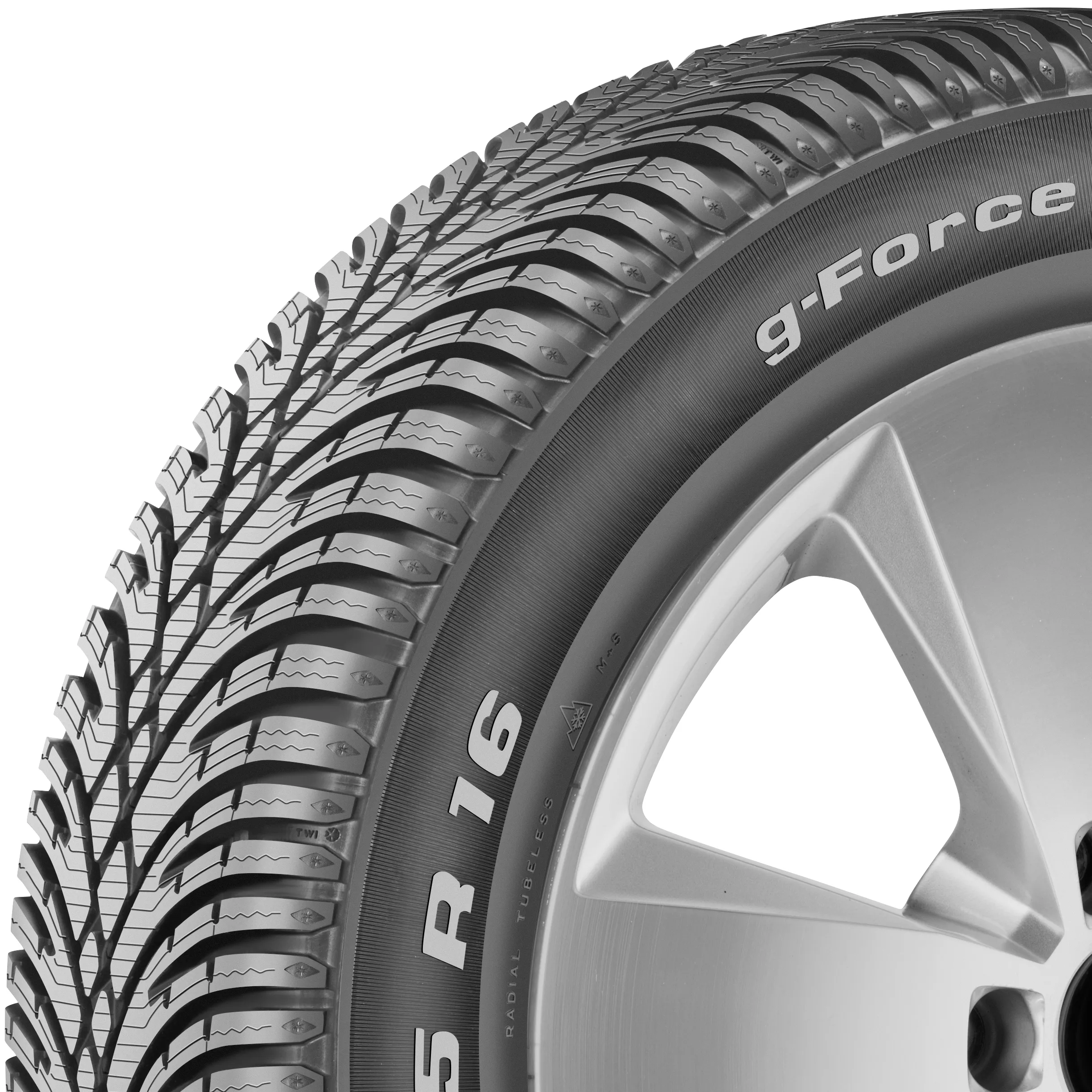
Winter tyre test 185/65 R15 - ADAC 2026
Winter Winter testing at ADAC's proving ground in Ivalo, Finland – deep snow, ice and compacted snow conditions; dry/wet testing on separate proving grounds (Contidrom/ATP).
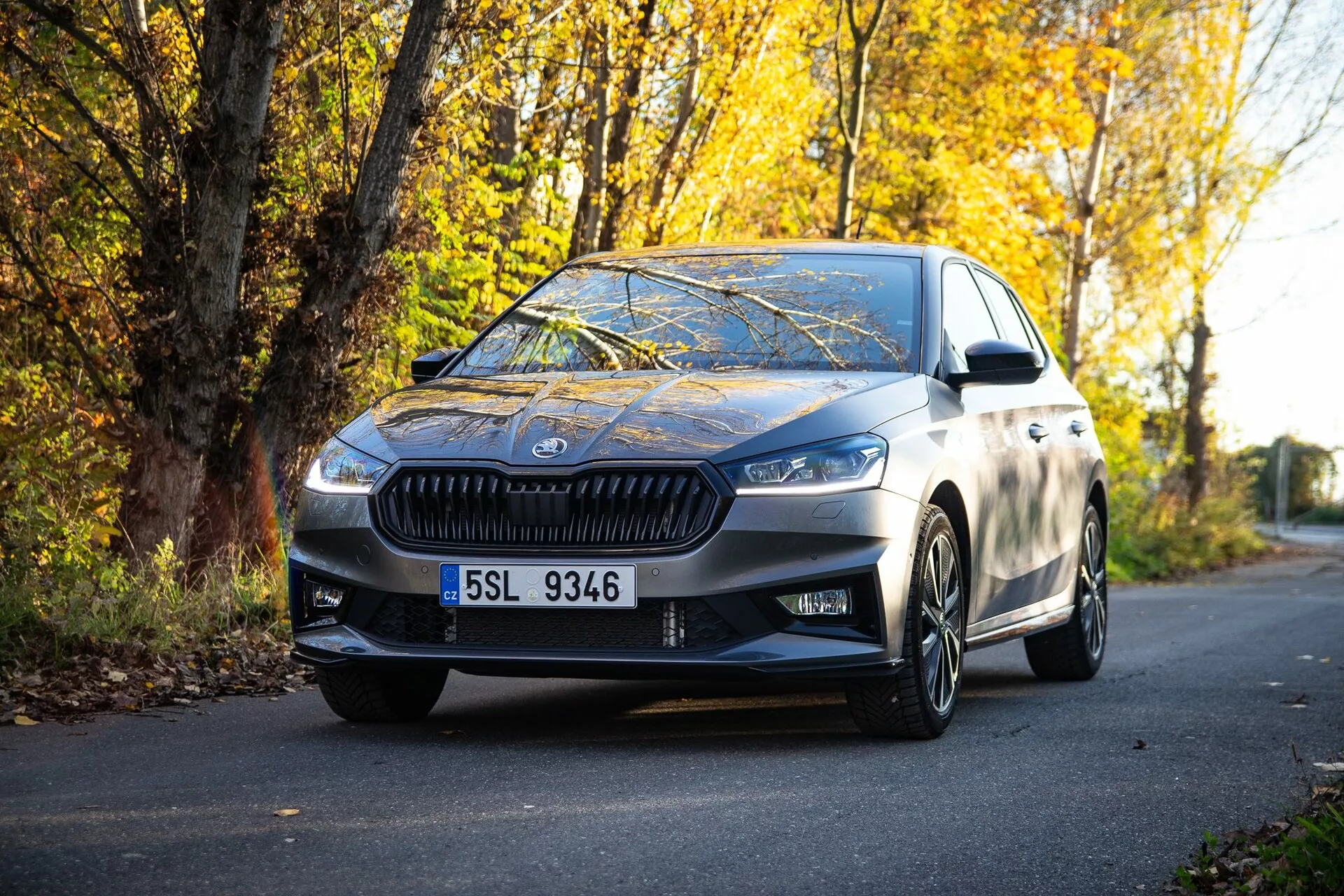
Skoda Fabia (1.0 TSI) – reference vehicle for the small-car size 185/65 R15; front-wheel drive, standard load.
Price vs Quality
See how tyre price relates to test performance at a glance
Results
Agenda:Best value in test
Better than average value
Worse than average value
Worst value in test
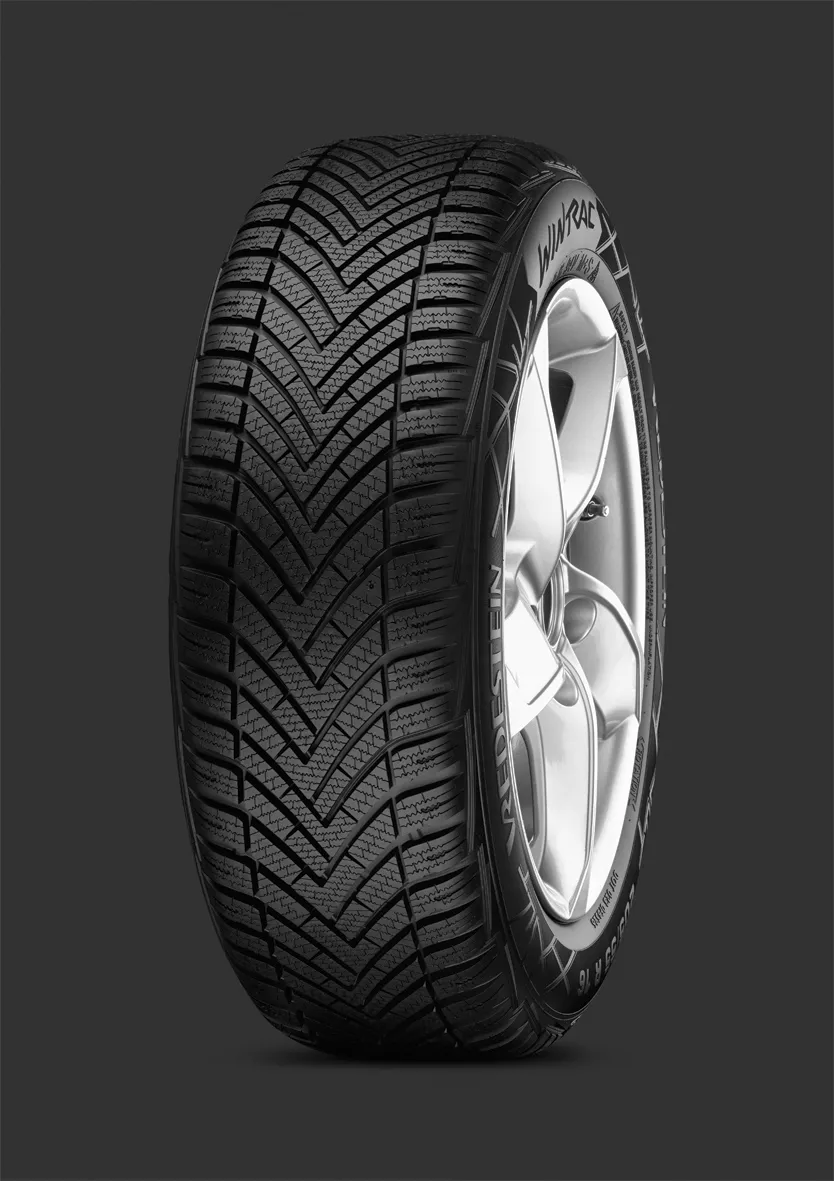
Best dry braking 43.3 m (Linglong Sport Master Winter) vs worst 48.4 m (Rockblade) from 100 km/h – 5.1 m spread. Continental and Michelin score good (2.0/2.2) with precise steering; one-third of the field shows only satisfactory or worse dry handling (e.g., Barum, Kumho, Vredestein around 3.8).
Winter2.3
Wet1.8
Dry2.0
Enviromental impact2.8
Noise3.2
Wear2.8
Driving safety2.0
Fuel consumption1.9
Summary
- Published overall result: — · 1/16
- Best discipline position: Dry performance (1/16)
- Lowest discipline position: Snow performance (7/16)
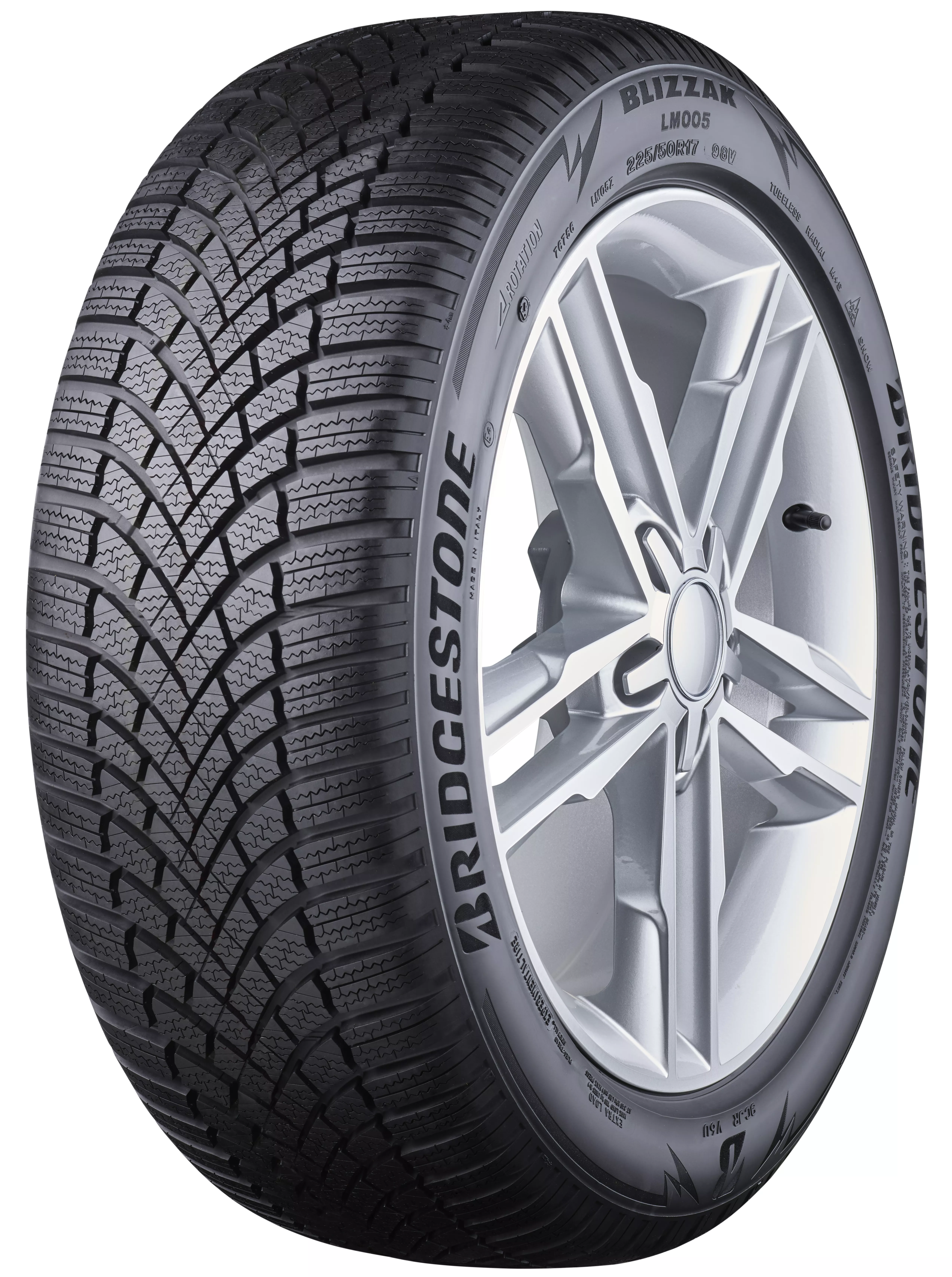
Best wet braking 33.5 m (Bridgestone Blizzak LM-005) vs worst 51.4 m (Atlas/Rockblade/Sunny) from 80 km/h on asphalt – 17.9 m gap. At the Bridgestone's standstill, Sunny/Atlas/Rockblade still travel 38–47 km/h – a severe safety deficit. Top wet grades: Bridgestone 1.4, Continental 1.8, Goodyear 1.9.
Winter2.4
Wet2.3
Dry2.2
Enviromental impact2.9
Noise3.6
Wear2.9
Driving safety2.3
Fuel consumption2.0
Summary
- Published overall result: — · 2/16
- Best discipline position: Dry performance (2/16)
- Lowest discipline position: Exterior noise (12/16)
Snow braking 30–0 km/h: 10.0–11.0 m range – tight but decisive. Best snow overall: Barum Polaris 6 (dry snow note 1.8), Kumho and Vredestein near 2.0–2.1. Worst snow handling for budget fails is compensated by decent snow traction but ruined by wet/dry deficits.
Winter2.5
Wet2.0
Dry2.9
Enviromental impact3.4
Noise3.7
Wear3.4
Driving safety2.9
Fuel consumption2.3
Summary
- Published overall result: — · 3/16
- Best discipline position: Wet performance (4/16)
- Lowest discipline position: Exterior noise (15/16)
Snow traction 256.9–296.1 dN – Linglong worst despite short dry braking; best traction near 296 dN (Vredestein/Continental). Continental, Michelin and Kumho combine good traction with balanced handling.
Winter3.1
Wet2.7
Dry2.7
Enviromental impact3.2
Noise3.4
Wear3.2
Driving safety3.1
Fuel consumption3.2
Summary
- Published overall result: — · 4/16
- Best discipline position: Dry performance (4/16)
- Lowest discipline position: Snow performance (16/16)
Weighting: 70 % driving safety (dry 30 % / wet 40 % / winter 30 %) + 30 % environmental (mileage 40 % / abrasion 20 % / efficiency 20 % / noise 10 % / sustainability 10 %). A weak sub-grade can downgrade the whole category (footnote 1 in ADAC table).
Winter2.5
Wet2.3
Dry3.1
Enviromental impact3.5
Noise3.6
Wear3.3
Driving safety3.1
Fuel consumption2.5
Summary
- Published overall result: — · 5/16
- Best discipline position: Dry performance (6/16)
- Lowest discipline position: Mileage (13/16)
Measured braking spreads are safety-critical: 5.1 m dry (100 km/h) and 17.9 m wet (80 km/h asphalt) between best and worst – more than a car length on dry and nearly two car lengths on wet.
Winter2.1
Wet1.9
Dry3.4
Enviromental impact3.0
Noise3.0
Wear3.0
Driving safety3.4
Fuel consumption1.9
Summary
- Published overall result: — · 6/16
- Best discipline position: Exterior noise (2/16)
- Lowest discipline position: Dry performance (8/16)
Mileage forecast spans 22,400 km (Bridgestone LM-005 shortest) to 40,000 km (Kumho longest) – 78 % difference; among the two 'good' tyres Continental 34,300 km vs Michelin 33,100 km, both only satisfactory.
Winter2.8
Wet2.9
Dry3.5
Enviromental impact3.4
Noise3.2
Wear3.2
Driving safety3.5
Fuel consumption2.7
Summary
- Published overall result: — · 7/16
- Best discipline position: Exterior noise (5/16)
- Lowest discipline position: Snow performance (13/16)
Abrasion 63–117 mg/km/t and fuel consumption 5.3–5.8 l/100 km (100 km/h) – efficiency still matters: Linglong's high weight 8.3 kg and 5.8 l consumption handicap its environmental score.
Winter2.9
Wet1.4
Dry3.2
Enviromental impact3.8
Noise3.5
Wear3.8
Driving safety3.2
Fuel consumption2.3
Summary
- Published overall result: — · 8/16
- Best discipline position: Wet performance (1/16)
- Lowest discipline position: Mileage (16/16)
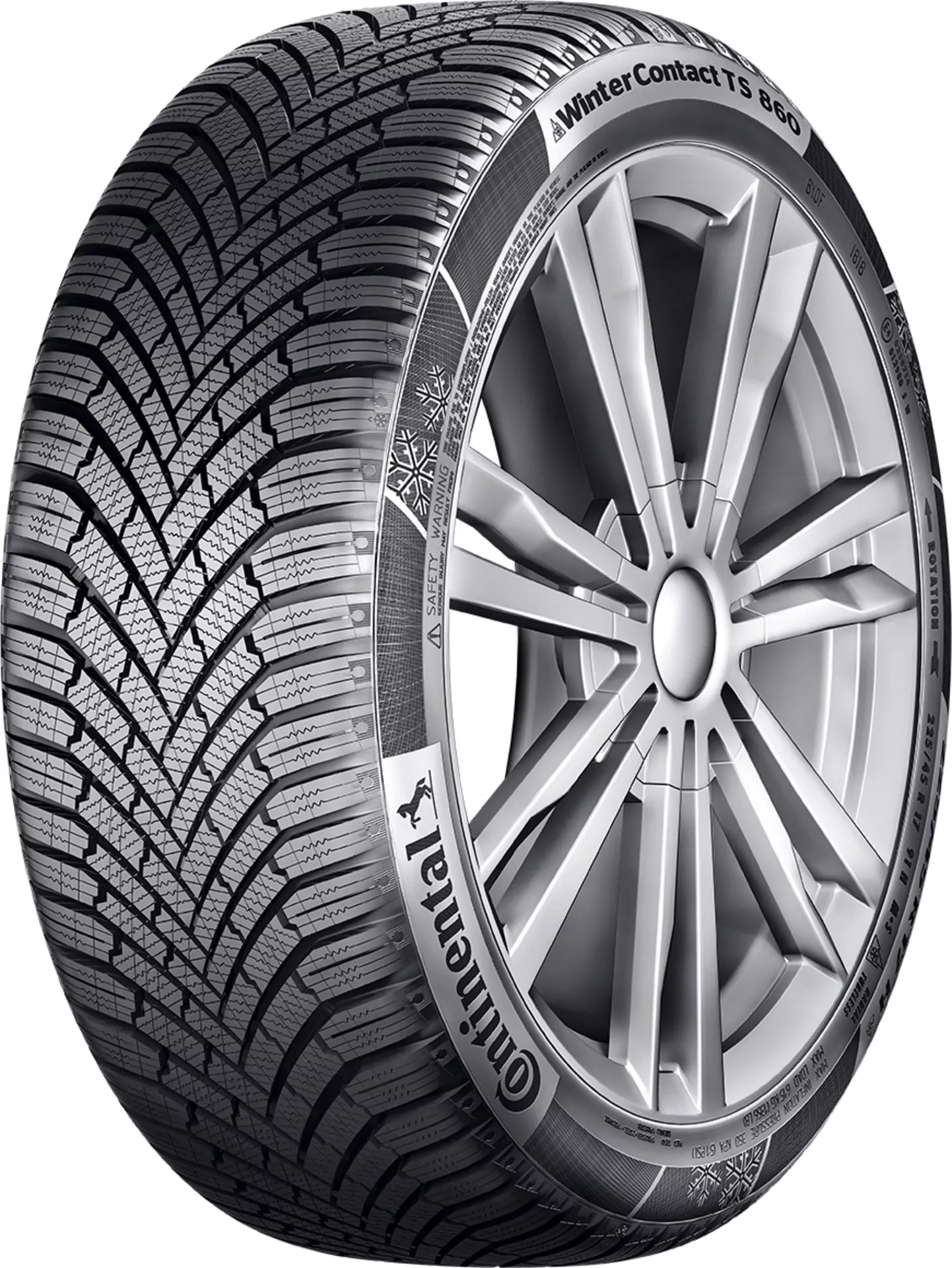
Aquaplaning threshold longitudinal 67.4–98.6 km/h and lateral 1.3–4.4 m/s² – top aquaplaning reserves for Continental (95.1 km/h / 4.1 m/s²) vs worst around 67–75 km/h for budget tyres.
Winter2.3
Wet2.4
Dry3.8
Enviromental impact3.1
Noise3.5
Wear3.1
Driving safety3.8
Fuel consumption1.7
Summary
- Published overall result: — · 9/16
- Best discipline position: Mileage (7/16)
- Lowest discipline position: Dry performance (11/16)
No tyre achieves 'very good' – even the winner Continental is limited by only satisfactory mileage/abrasion and ice braking (21.5 m vs best 19.4 m).
Winter2.1
Wet2.4
Dry3.8
Enviromental impact3.3
Noise3.4
Wear3.3
Driving safety3.8
Fuel consumption2.2
Summary
- Published overall result: — · 10/16
- Best discipline position: Snow performance (4/16)
- Lowest discipline position: Mileage (13/16)
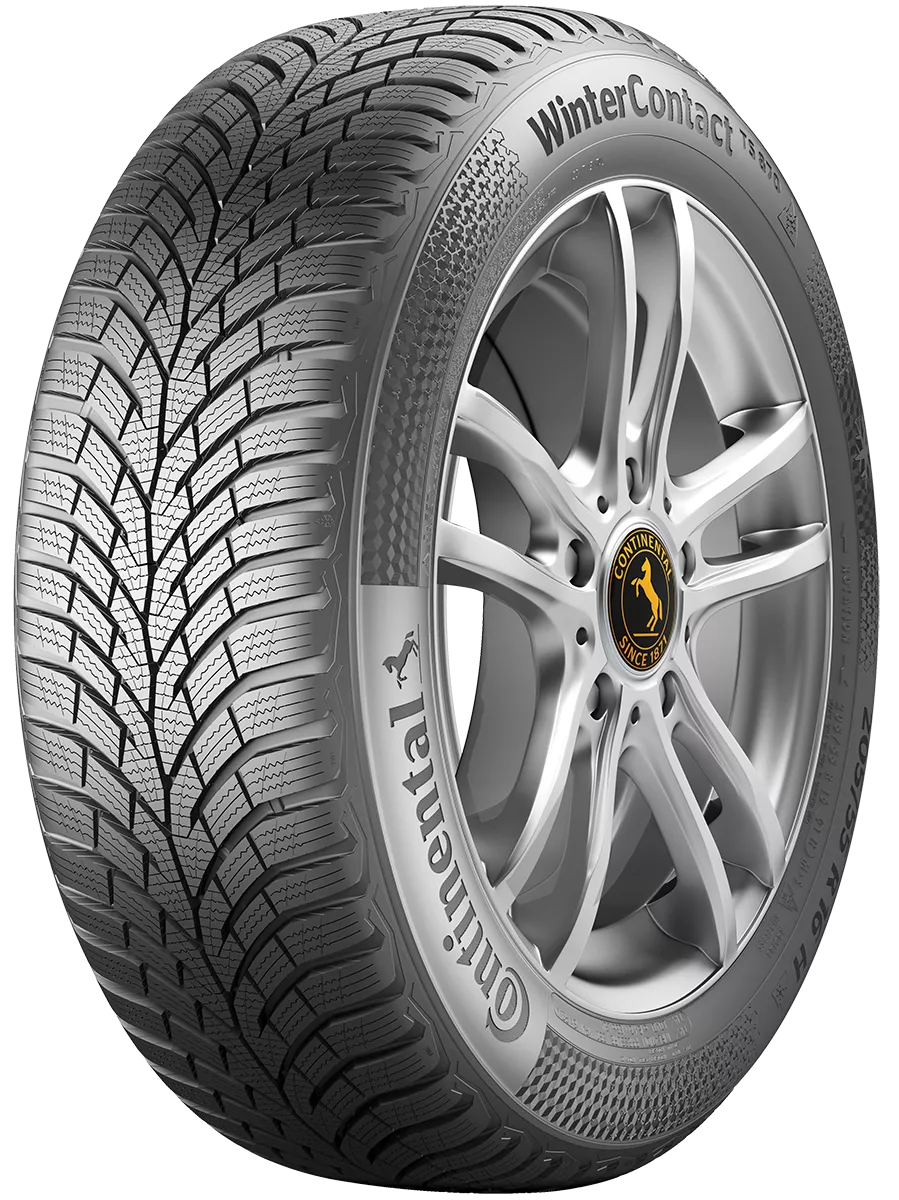
Continental WinterContact TS 870 wins clearly (overall 2.2, safety 2.0) – the only truly balanced winter tyre that is good on dry, good on wet (2nd best) and good on winter; also very good aquaplaning (both directions).
Winter1.8
Wet3.1
Dry3.8
Enviromental impact3.5
Noise2.9
Wear3.2
Driving safety3.8
Fuel consumption2.1
Summary
- Published overall result: — · 11/16
- Best discipline position: Exterior noise (1/16)
- Lowest discipline position: Wet performance (13/16)
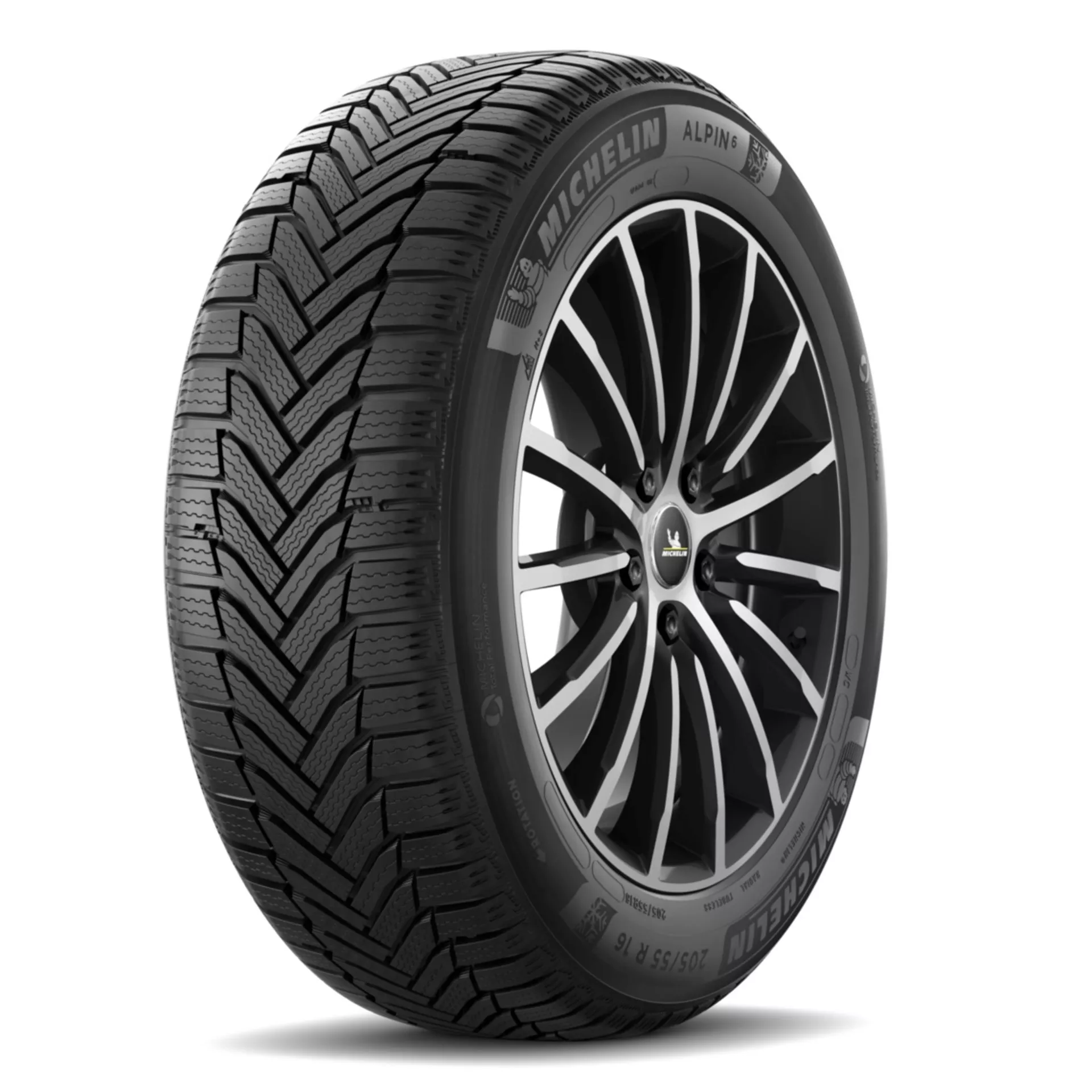
Michelin Alpin 7 second (overall 2.5) – also 'good' and suitable without restrictions, slightly behind Continental in every discipline but still safe and precise; weakness: loud rolling noise 3.6.
Winter2.0
Wet2.2
Dry3.9
Enviromental impact3.0
Noise3.6
Wear2.3
Driving safety3.9
Fuel consumption2.5
Summary
- Published overall result: — · 12/16
- Best discipline position: Mileage (1/16)
- Lowest discipline position: Dry performance (14/16)
Budget disaster: Atlas Polarbear HP, Sunny Winter-max NW611 and Rockblade Rock 868S finish mangelhaft 5.5 – despite decent or even best winter scores (Rockblade winter 1.5!), their lethal wet braking (5.5) makes them dangerous and unbalanced.
Winter2.1
Wet2.9
Dry3.9
Enviromental impact3.6
Noise3.0
Wear3.2
Driving safety3.9
Fuel consumption2.0
Summary
- Published overall result: — · 13/16
- Best discipline position: Exterior noise (2/16)
- Lowest discipline position: Dry performance (14/16)
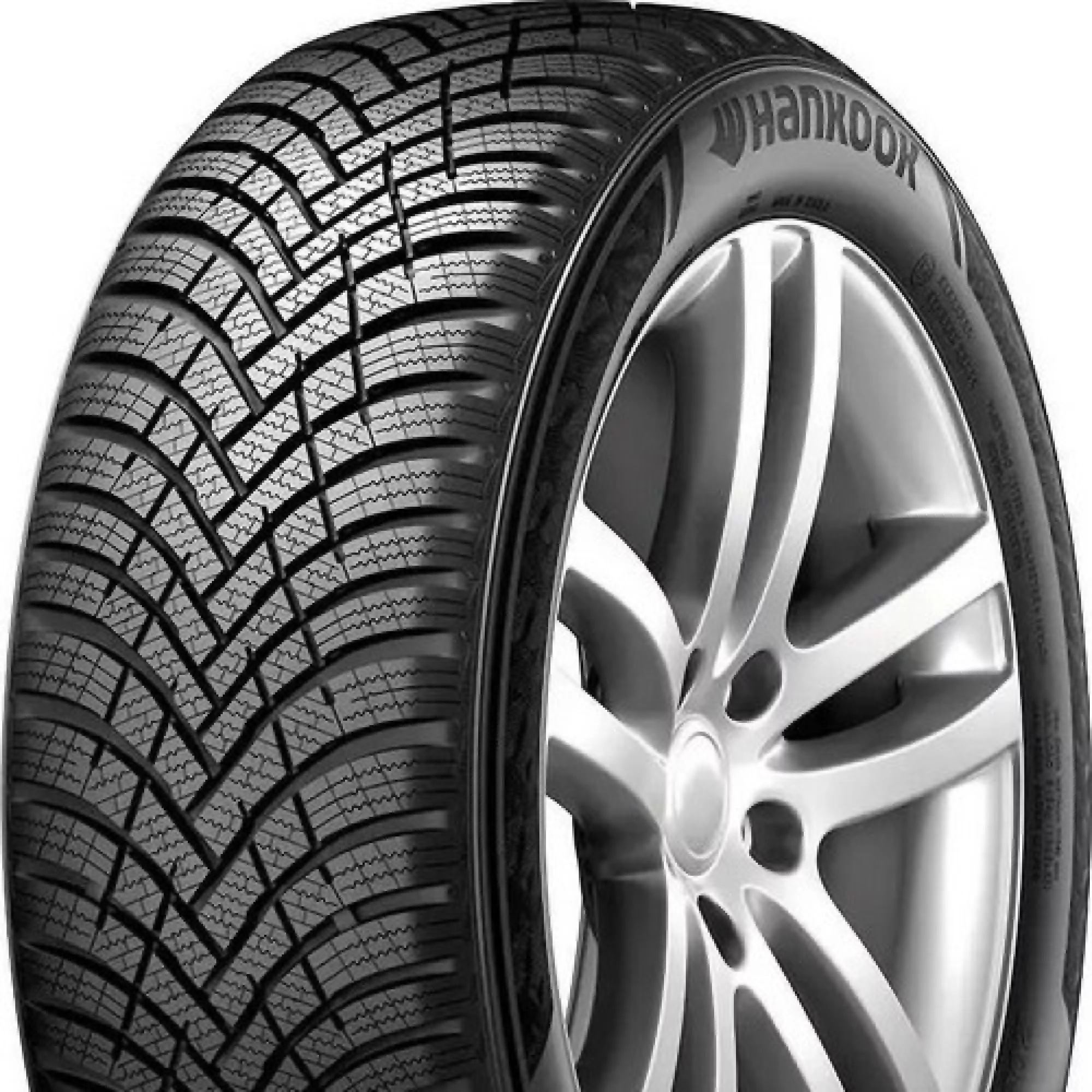
Midfield 'befriedigend' alternatives are region-dependent: Hankook, Optimo and Goodyear for wet regions; Linglong for dry-focused drivers – but each requires living with its specific weakness.
Winter2.4
Wet4.8
Dry3.4
Enviromental impact2.9
Noise3.5
Wear2.7
Driving safety4.8
Fuel consumption2.5
Summary
- Published overall result: — · 14/16
- Best discipline position: Mileage (2/16)
- Lowest discipline position: Wet performance (14/16)
Small-dimension neglect hypothesis: ADAC notes manufacturers prioritize larger sizes – e.g., Bridgestone fields the older LM-005 instead of newest Blizzak 6, contributing to its inadequate 3.8.
Winter3.0
Wet5.5
Dry2.5
Enviromental impact2.7
Noise3.0
Wear2.7
Driving safety5.5
Fuel consumption1.8
Summary
- Published overall result: — · 15/16
- Best discipline position: Mileage (2/16)
- Lowest discipline position: Wet performance (15/16)
No mileage champion: even the best practical choice (Kumho 40,000 km) is not among the 'good' tyres – TCO-conscious small-car drivers must choose between safety and longevity.
Winter1.5
Wet5.5
Dry4.8
Enviromental impact3.1
Noise3.7
Wear3.1
Driving safety5.5
Fuel consumption1.9
Summary
- Published overall result: — · 16/16
- Best discipline position: Snow performance (1/16)
- Lowest discipline position: Dry performance (16/16)
Same size tyres not featured in the test
Tests usually don't cover the whole market - here is our selection what not to miss when shopping for tyres in this size.
| # | Name | Our rating | Segment | Price |
|---|
| 1 | | 90% | Premium | |
| 2 | | 89% | Upper-middle | £74 88 T +3 More |
| 3 | | 89% | Premium | |
| 4 | | 89% | Premium | |
| 5 | | 89% | Premium | |
| 6 | | 87% | Upper-middle | £69 88 T +2 More |
| 7 | | 86% | Upper-middle | |
| 8 | | 86% | Premium | |
|
| 9 | | 86% | Premium | £62 88 T +3 More |
| 10 | | 86% | Premium | |
| 11 | | 85% | Upper-middle | |
| 12 | | 85% | | £73 88 H |
| 13 | | 84% | Premium | |
| 14 | | 84% | Upper-middle | £51 88 T +1 More |
| 15 | | 84% | | £74 92 H |
| 16 | | 84% | Premium | £70 88 T +5 More |
|
| 17 | | 82% | Budget | £57 0 T +1 More |
| 18 | | 81% | Budget | £56 88 T +1 More |
| 19 | | 80% | Upper-middle | £80 88 T +4 More |
| 20 | | 79% | Upper-middle | |
| 21 | | 79% | Upper-middle | £86 92 H |
| 22 | | 77% | Premium | |
| 23 | | 75% | Budget | |
| 24 | | 74% | Upper-middle | |
|
| 25 | | 73% | Budget | £49 88 T +2 More |
| 26 | | 68% | Upper-middle | |
| 27 | | 67% | Budget | £63 88 T +2 More |
| 28 | | 66% | Budget | |
| 29 | | 66% | Upper-middle | |
| 30 | | 65% | Upper-middle | £52 88 T +3 More |
| 31 | | 64% | Budget | |
| 32 | | 63% | Upper-middle | |
|
| 33 | | 62% | Budget | £50 88 T +1 More |
| 34 | | 61% | Upper-middle | |
| 35 | | 59% | Budget | |
| 36 | | 59% | Budget | |
| 37 | | 59% | Budget | |
| 38 | | 56% | Budget | |
| 39 | | 40% | Budget | |
| 40 | | 38% | Upper-middle | |
|
| 41 | | 36% | Budget | |
| 42 | | 34% | Budget | |
| 43 | | 20% | Budget | |
| 44 | | 10% | Budget | £76 88 T +1 More |
| 45 | | 9% | Budget | |
| 46 | | 5% | | |
| 47 | | 1% | Budget | |
| 48 | | 1% | Budget | |
|
| 49 | | 1% | Budget | |