Hankook brings sporty winter precision; Michelin delivers lasting, efficient calm.
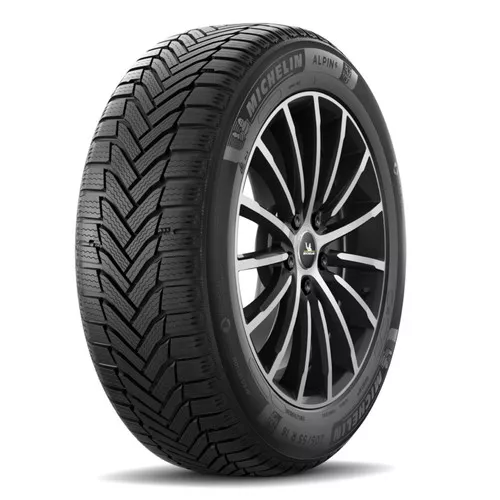
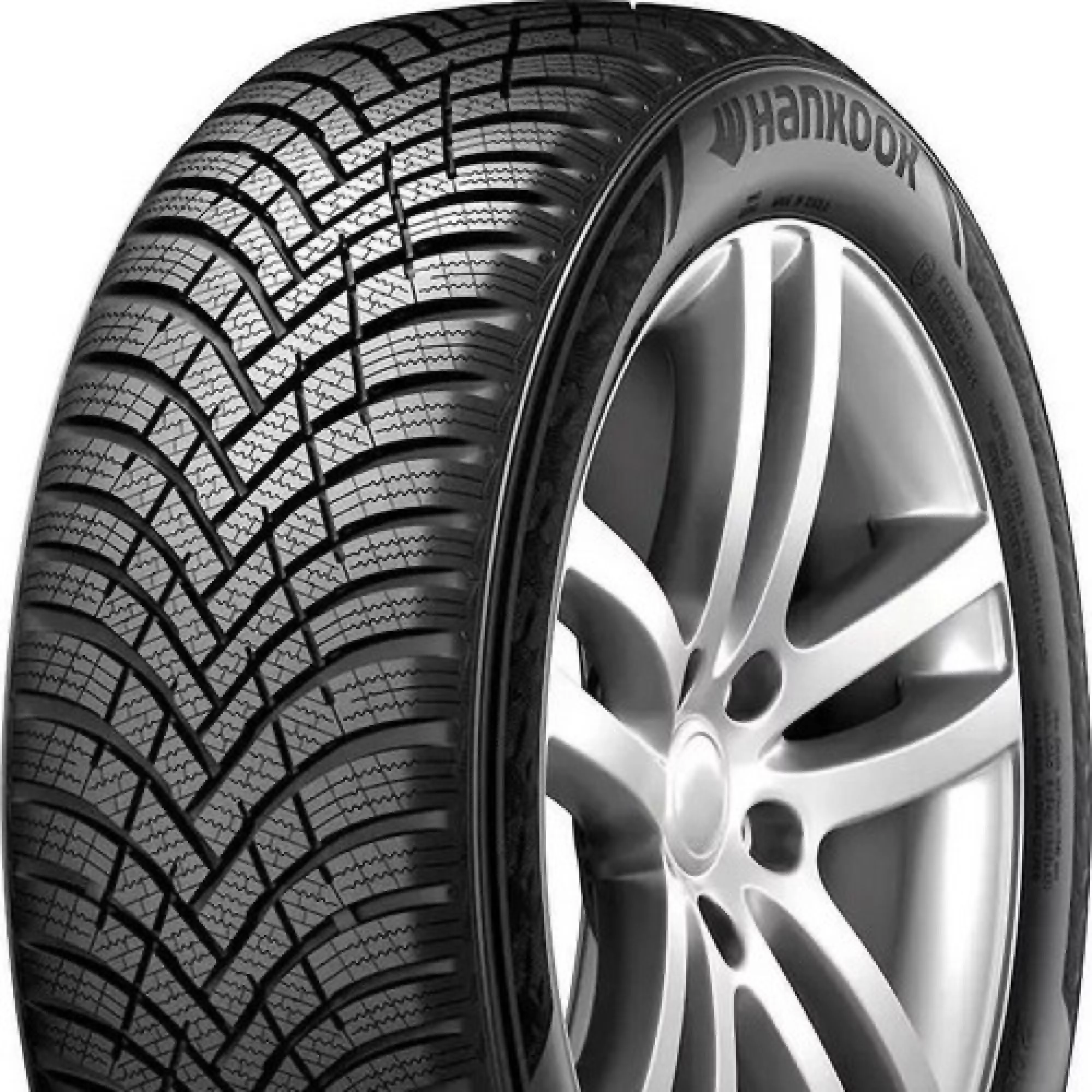
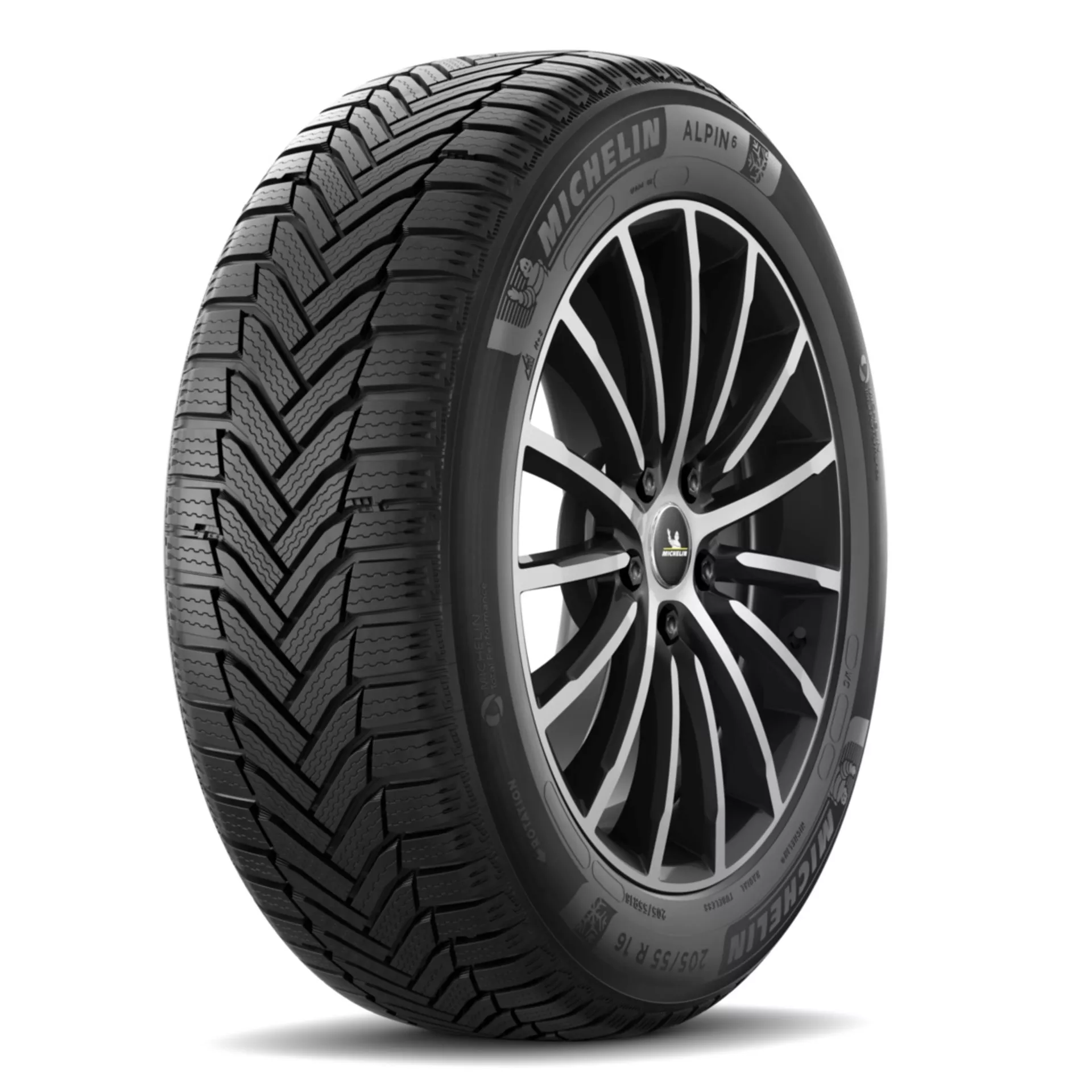
Two winter specialists with different personalities: the upper‑middle Hankook W462 Winter i*cept RS3 aims to feel nimble and confidence‑inspiring at a keen price, while the premium Michelin ALPIN 6 is the long‑distance strategist built around consistency and longevity. Recent head‑to‑heads slightly favour Michelin (winning 7 of 11 common tests), yet the Hankook’s blend of precision, snow traction and aquaplaning reserves has real appeal for keen drivers. Consider them two routes to winter security—one more sporty and value‑driven, the other calmly balanced and efficiency‑minded from a brand renowned for durability like Michelin and a challenger closing the gap like Hankook.
W462 Winter i*cept RS3
ALPIN 6


Averaged from 6 tests
Hankook W462 Winter i*cept RS3
Michelin ALPIN 6
Hankook W462 Winter i*cept RS3
Michelin ALPIN 6
Hankook W462 Winter i*cept RS3
Michelin ALPIN 6
Hankook W462 Winter i*cept RS3
Michelin ALPIN 6
Hankook W462 Winter i*cept RS3
Michelin ALPIN 6When it pours, braking data separates them by a whisker: across 2 measured braking tests, the Michelin averages 35.2 m vs 36.6 m for the Hankook. That small edge is backed by the ALPIN 6’s consistently composed wet manners, though some tests note average aquaplaning reserves laterally.
The Hankook counters with standout resistance to aquaplaning and secure wet cornering once loaded, but it can feel a bit nervous during quick load changes. Still, its feedback is clear and grip levels are high for the money. Owners rate the RS3 positively overall, and its refinement is better than expected, though rolling resistance isn’t its strongest suit. In simple terms: Michelin stops a fraction shorter and feels more relaxed; Hankook punches hard on water evacuation and driver engagement.
Hankook W462 Winter i*cept RS3
Michelin ALPIN 6
Hankook W462 Winter i*cept RS3
Michelin ALPIN 6
Hankook W462 Winter i*cept RS3
Michelin ALPIN 6On cold, dry tarmac the Hankook brings a pleasantly direct steering feel with quick turn‑in and strong mid‑corner support. It can feel almost summer‑tyre precise, giving you generous reserves when you lean on it—useful for evasive manoeuvres or spirited A‑road drives. The trade‑off is a slightly tauter ride over sharp joints.
Michelin is more about poised predictability. It tracks straight, loads up smoothly and remains calm when you brake and turn simultaneously. Ultimate bite is a touch lower than Hankook’s, but the balance is easy to trust and requires fewer corrections. If you value a fluent, less “edgy” winter drive, the ALPIN 6 suits that brief well.
Hankook W462 Winter i*cept RS3
Michelin ALPIN 6
Hankook W462 Winter i*cept RS3
Michelin ALPIN 6
Hankook W462 Winter i*cept RS3
Michelin ALPIN 6
Hankook W462 Winter i*cept RS3
Michelin ALPIN 6In snow, the gap all but disappears. Across 2 measured braking tests, the Hankook averages 27.9 m vs 28.1 m for the Michelin—essentially a draw with a tiny nod to the RS3. The Hankook also delivers strong traction and reassuring lateral bite, which suits mixed urban‑to‑rural winter routes.
Michelin’s character is unflustered and progressive, with excellent traction as temperatures plunge and ice patches appear. Its “safety made to last” design means the tread and compounds are tuned to retain winter grip as the tyre wears, a trait owners value on long‑mileage cars. If you want predictable, confidence‑building snow behaviour that doesn’t fade quickly over time, the ALPIN 6 delivers.
Hankook W462 Winter i*cept RS3
Michelin ALPIN 6
Hankook W462 Winter i*cept RS3
Michelin ALPIN 6
Hankook W462 Winter i*cept RS3
Michelin ALPIN 6Noise and ride civility are close, but the Hankook’s cabin hush is impressive for the class; the only niggle is a firmer thud over sharp edges. Michelin rides a touch more plushly and, according to real‑world feedback, remains quiet and refined on the motorway. Where the ALPIN 6 pulls clearly ahead is efficiency and life: it’s notably frugal and among the mileage leaders, aligning with Michelin’s positioning as a tyre that performs even as it wears.
The Hankook’s weaknesses are higher rolling resistance and lower projected mileage than the class best—understandable at its price point. If you drive fewer winter miles or plan to change tyres more often, that may not matter. If you chase minimal fuel use and long replacement intervals, Michelin’s value proposition strengthens. For more on the ALPIN 6’s construction and mission, see the tyre page: Michelin ALPIN 6.
Hankook W462 Winter i*cept RS3
Michelin ALPIN 6
Hankook W462 Winter i*cept RS3
Michelin ALPIN 6Choose Hankook if you want a lively, confidence‑rich winter tyre with excellent aquaplaning security, sharp steering and strong snow traction at a friendlier price. It’s the better pick for drivers who enjoy feedback and don’t mind a slightly firmer edge or shorter lifespan than the class leaders.
Choose Michelin if you prioritise balanced behaviour, consistently short wet stops, low running costs and standout longevity. For commuters and high‑mileage cars, the ALPIN 6’s calm, predictable character—and performance that holds up as it wears—makes it the safer long game. The Hankook improves notably over its Winter i*cept RS2 W452 predecessor, but the Michelin, sitting between the Alpin 5 and the latest Alpin 7, remains the benchmark for enduring winter dependability.
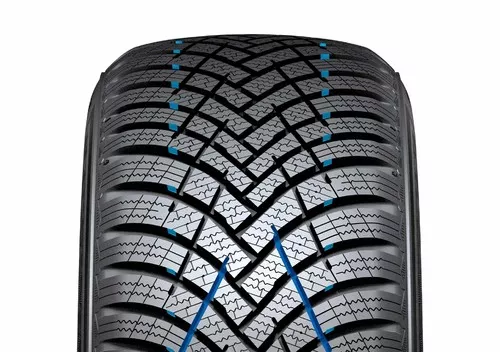
Compare prices across all available dimensions for these tyres.
VS
VS
VS
VS
VS
VS
VS
VS
VS
VS
Hankook W462 Winter i*cept RS3 vs Pirelli Cinturato Winter 2
Hankook W462 Winter i*cept RS3 vs Michelin Alpin 6
Hankook W462 Winter i*cept RS3 vs Goodyear UltraGrip Performance 3
Hankook W462 Winter i*cept RS3 vs Vredestein Wintrac Pro
Michelin ALPIN 6 vs Bridgestone Blizzak LM-005
Michelin ALPIN 6 vs Continental WinterContact TS 870
Michelin ALPIN 6 vs Dunlop Winter Sport 5
Michelin ALPIN 6 vs Vredestein Wintrac Pro