18 shops · 56 ·847+ products

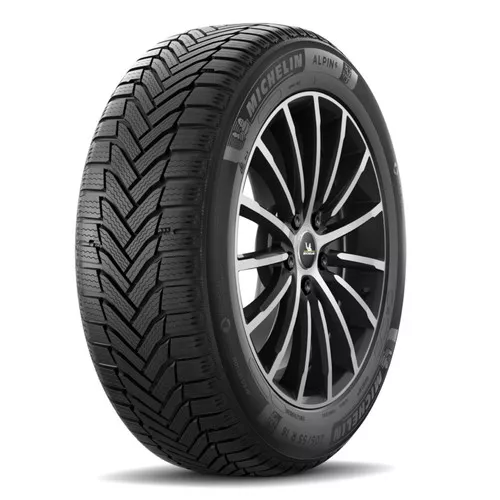
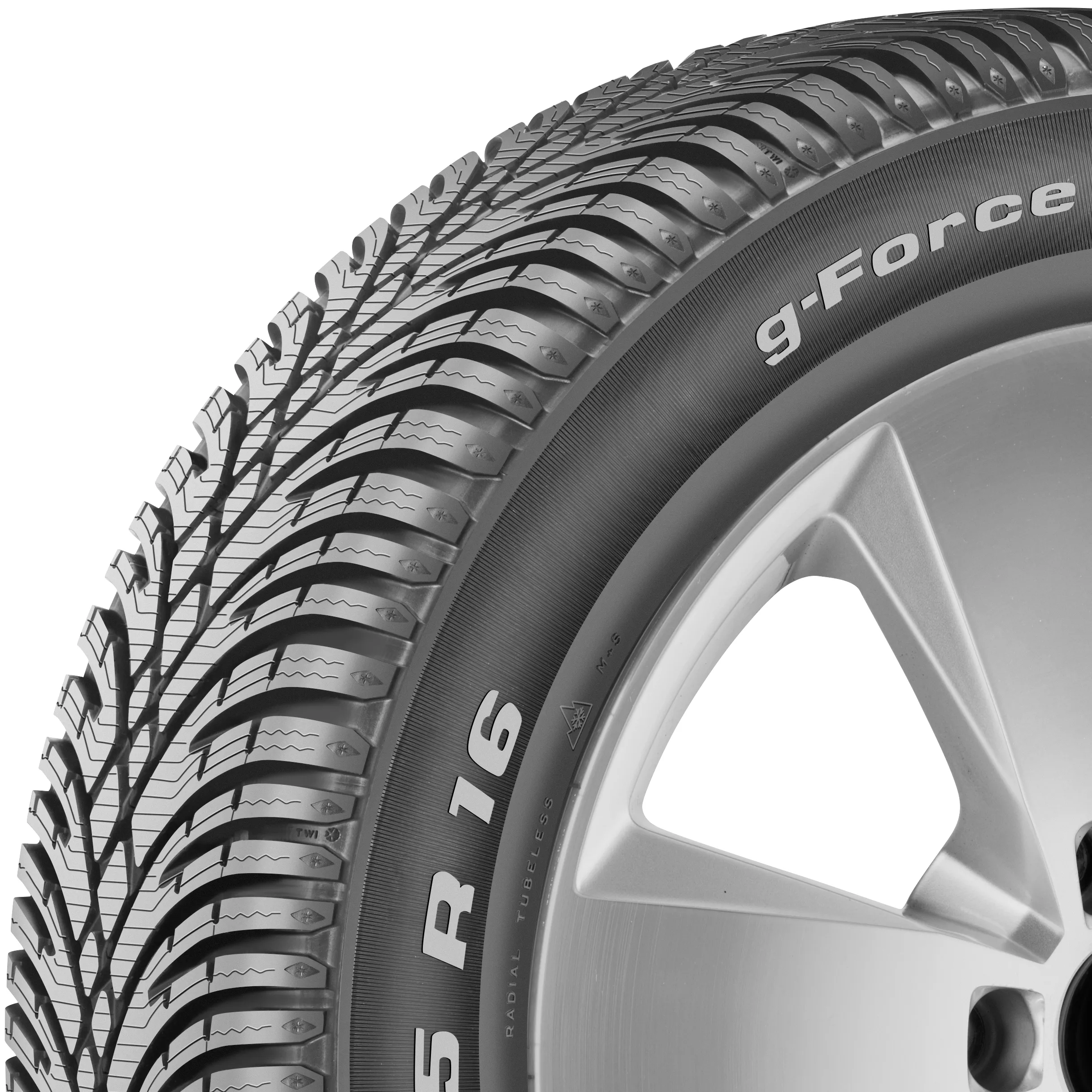
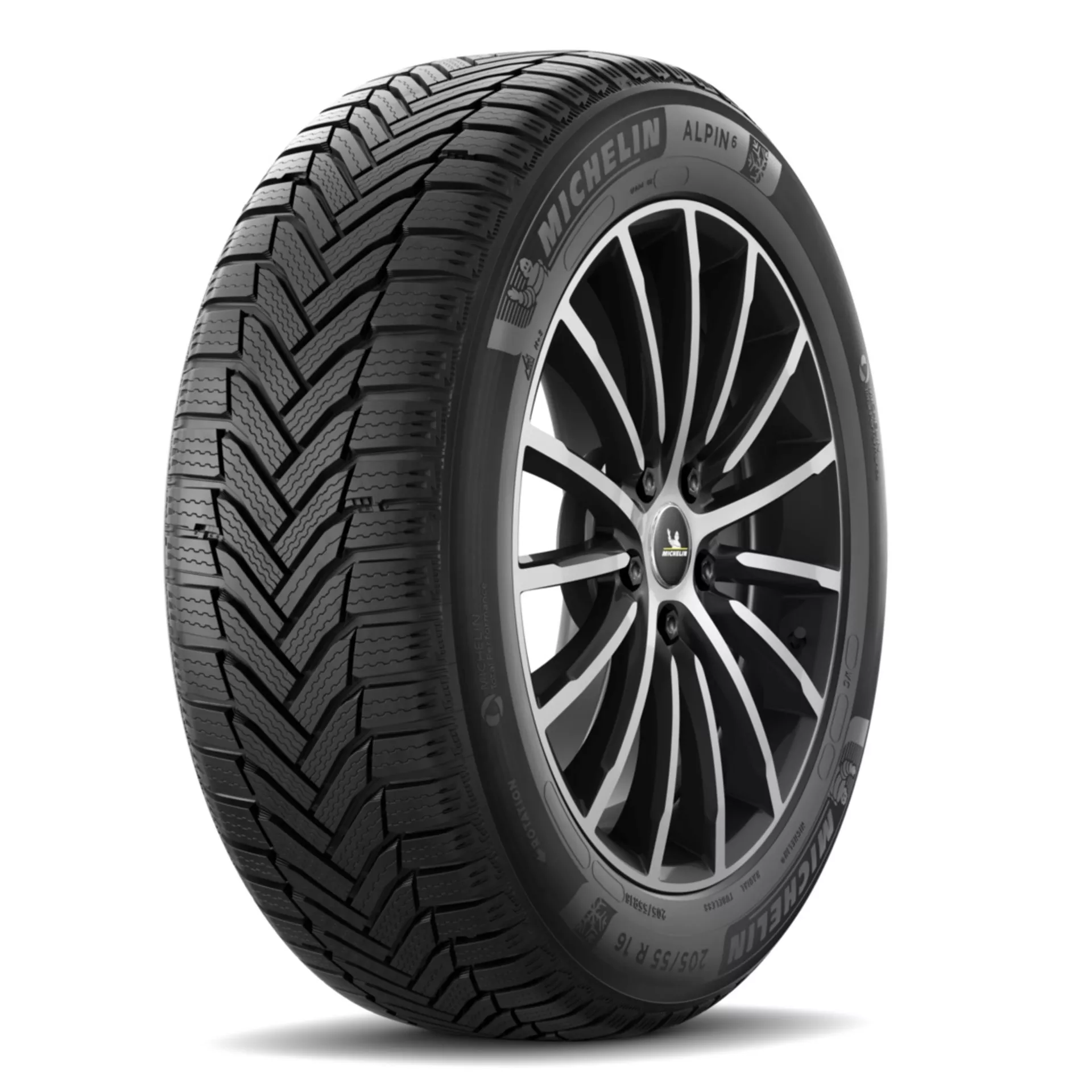
Comparison: BFGoodrich G-FORCE WINTER 2 vs. Michelin ALPIN 6 (2026)

8 mutual test(s) with detailed data

BFGoodrich dominates in snow; Michelin wins on balance, ice, and long-term value.

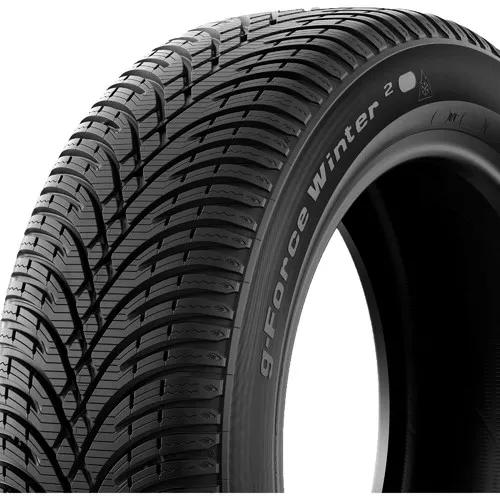
On paper, this looks like a straightforward David vs Goliath story — a budget-friendly snow specialist from BFGoodrich against a well-established Michelin premium tourer. In reality, the BFGoodrich G-Force Winter 2 and the Michelin ALPIN 6 represent genuinely different philosophies of what a winter tyre should do. The BFGoodrich — developed within the BFGoodrich stable, itself part of the Michelin group — is unapologetically biased toward snow mastery, accepting compromises on dry and wet surfaces to deliver outstanding white-road performance. The Michelin ALPIN 6, now in its final years before being superseded by the ALPIN 7 and itself a successor to the Alpin 5, takes the opposite view: balance above all, with exceptional longevity as a bonus. Across 14 mutual tests, the Michelin wins 9 against the BFGoodrich's 5 — but that headline hides a more nuanced story.

BFGoodrich G-FORCE WINTER 2
Good for
Drivers in heavily snowy regions or mountain routes Budget-conscious buyers wanting premium snow grip Shorter-distance urban and suburban winter commuters Drivers who rarely face wet-only winter conditions
Not ideal for
Drivers needing sharp dry or wet braking confidence Those prioritising ice performance High-mileage drivers — tread life is average at best
Michelin ALPIN 6
Good for
Drivers wanting balanced performance on all winter surfaces High-mileage drivers prioritising longevity and economy Those who face ice and mixed conditions regularly Motorway drivers valuing comfort, low noise and precision
Not ideal for
Drivers in extreme snow-only regions wanting maximum traction Budget-aware buyers — Michelin pricing is premium Those seeking the latest-generation wet handling technology

Test Profile

BFGoodrich
G-FORCE WINTER 2
Michelin
ALPIN 6
Number of tests
23
31
Best position
#1
#1
Average position
6.7
4.4
Latest test
2025
2024
Available sizes
109
77

Performance comparison

Averaged from 8 tests

Wet Performance
Confidence
BFGoodrich G-FORCE WINTER 2
74%
BFGoodrich
G-FORCE WINTER 2
Michelin ALPIN 6
77%
Michelin
ALPIN 6
Wet Braking
BFGoodrich G-FORCE WINTER 2
70%
Michelin ALPIN 6
78%
Wet Handling
BFGoodrich G-FORCE WINTER 2
70%
Michelin ALPIN 6
82%
Wet Circle Cornering
BFGoodrich G-FORCE WINTER 2
68%
Michelin ALPIN 6
77%
Aquaplaning Longitudinal
BFGoodrich G-FORCE WINTER 2
88%
Michelin ALPIN 6
76%
Aquaplaning Cross
BFGoodrich G-FORCE WINTER 2
76%
Michelin ALPIN 6
72%

The wet picture is more competitive than the score gap suggests. Across 4 measured wet braking tests, the ALPIN 6 averages 30.2m against the BFGoodrich's 31.2m — a meaningful but not dramatic 1-metre advantage. The Michelin also leads on wet handling, with its secure and precise character on wet roads praised repeatedly in testing, though some reviews flag minor weaknesses in lateral aquaplaning. The BFGoodrich, despite its lower wet braking score (67 vs 83), posts a solid aquaplaning score of 80.8 — marginally ahead of the Michelin's 79.2 — meaning it handles standing water reasonably well. Where the BFGoodrich struggles is wet cornering and the overall confidence it inspires at the limit in rain, which testers consistently note as the cost of its snow-first compound tuning.

Dry Performance
Confidence
BFGoodrich G-FORCE WINTER 2
71%
BFGoodrich
G-FORCE WINTER 2
Michelin ALPIN 6
89%
Michelin
ALPIN 6
Dry Braking
BFGoodrich G-FORCE WINTER 2
73%
Michelin ALPIN 6
87%
Dry Handling
BFGoodrich G-FORCE WINTER 2
69%
Michelin ALPIN 6
84%
Dry Lane Change
BFGoodrich G-FORCE WINTER 2
65%
Michelin ALPIN 6
95%
Dry Steering Reaction
BFGoodrich G-FORCE WINTER 2
78%
Michelin ALPIN 6
88%

Dry performance is where the gap between these two tyres is most pronounced. The ALPIN 6 carries a dry braking score of 86.4 against the BFGoodrich's 72, and that difference reflects what testers have consistently observed: the Michelin delivers precise, confident handling with a direct steering feel that gives real feedback through corners. The BFGoodrich is described in testing as merely adequate on cold asphalt — safe, but noticeably less sharp. Both tyres come with the caveat that very short braking distances are not their calling card, but the Michelin's dry handling objective score of 97 across measured tests confirms it as the far more capable dry-weather tool in this matchup.

Snow Performance
Confidence
BFGoodrich G-FORCE WINTER 2
90%
BFGoodrich
G-FORCE WINTER 2
Michelin ALPIN 6
76%
Michelin
ALPIN 6
Snow Braking
BFGoodrich G-FORCE WINTER 2
94%
Michelin ALPIN 6
77%
Snow Traction
BFGoodrich G-FORCE WINTER 2
90%
Michelin ALPIN 6
81%
Snow Handling
BFGoodrich G-FORCE WINTER 2
88%
Michelin ALPIN 6
74%
Snow Circle Cornering
BFGoodrich G-FORCE WINTER 2
87%
Michelin ALPIN 6
71%

This is where the BFGoodrich makes its case forcefully. Its snow score of 93.2 against the Michelin's 82.1 reflects a tyre that testers have called a genuine snow king — delivering top-tier results in snow braking, traction and handling. Across 3 measured snow braking tests, the BFGoodrich averages 27.6m versus the Michelin's 28.4m, confirming its edge in real-world stopping distances on white roads. The Michelin is far from poor in snow — its snow traction average of 87.3 and snow acceleration score of 92.5 are strong — and its ice braking score of 93 is notably impressive, an area where the BFGoodrich (79.5 for ice braking) trails significantly. So the picture splits: BFGoodrich for deep snow traction and braking, Michelin for ice. Real owners of the BFGoodrich consistently highlight good grip on snow as a key strength, backing up what the numbers show.

Ice Performance
Confidence
BFGoodrich G-FORCE WINTER 2
78%
BFGoodrich
G-FORCE WINTER 2
Michelin ALPIN 6
85%
Michelin
ALPIN 6
Ice Braking Abs
BFGoodrich G-FORCE WINTER 2
78%
Michelin ALPIN 6
83%
Ice Lateral Guidance
Michelin ALPIN 6
87%
Comfort & Noise
Confidence
BFGoodrich G-FORCE WINTER 2
84%
BFGoodrich
G-FORCE WINTER 2
Michelin ALPIN 6
79%
Michelin
ALPIN 6
Noise Exterior
BFGoodrich G-FORCE WINTER 2
87%
Michelin ALPIN 6
78%
Noise Interior
Michelin ALPIN 6
76%
Ride Comfort
BFGoodrich G-FORCE WINTER 2
80%
Michelin ALPIN 6
83%

Neither tyre is a harsh ride, but the Michelin edges ahead in refinement. Its noise score of 84.2 versus the BFGoodrich's 81.5 aligns with owner feedback — the ALPIN 6 is frequently praised for being quiet, with 16 separate mentions of low noise among customer reviews. BFGoodrich owners also rate quietness as a strength, and test data confirms it is genuinely unobtrusive for a snow-focused tyre. Where the Michelin pulls decisively ahead is mileage: a score of 92.5 versus 73.2 for the BFGoodrich, and a pattern in owner feedback confirming the ALPIN 6 lasts well — though a small number of owners report faster-than-expected wear in certain conditions. The BFGoodrich's fuel label is predominantly E, while the Michelin sits at C, making the Michelin the more economical long-term choice on running costs.

Economy
Confidence
BFGoodrich G-FORCE WINTER 2
71%
BFGoodrich
G-FORCE WINTER 2
Michelin ALPIN 6
87%
Michelin
ALPIN 6
Rolling Resistance
BFGoodrich G-FORCE WINTER 2
71%
Michelin ALPIN 6
75%
Mileage
BFGoodrich G-FORCE WINTER 2
71%
Michelin ALPIN 6
98%

Performance spider chart

Verdict

These two tyres suit very different buyers. If your winters involve regular heavy snowfall, uncleared roads and temperatures consistently well below zero, the BFGoodrich G-Force Winter 2 is the stronger specialist tool — it delivers snow performance that outclasses most of the premium field, at a price point that makes the compromise on dry and wet surfaces easier to accept. If your winters are more typical of central Europe — cold, wet, occasionally snowy, with long stretches of wet motorway — the Michelin ALPIN 6 is the more rounded and rewarding tyre. It is balanced, precise, quiet, long-lasting and genuinely better on ice. It costs more, and it is showing its age against the very latest designs, but its 9-from-14 head-to-head record against the BFGoodrich reflects real all-round superiority. For most everyday drivers, the Michelin is the safer bet — unless snow is your primary concern.

Tests used in comparison

OrganizationSeasonYearDimension
ADACADAC
Winter
2022185/65 R15View
AutoMotorSportAutoMotorSport
Winter
2021195/55 R16View
ADACADAC
Winter
2021195/65 R15View
AutobildAutobild
Winter
2021205/55 R16View
AUTOBILDAUTOBILD
Winter
2024205/55 R16View
AutobildAutobild
Winter
2022215/55 R17View
AutobildAutobild
Winter
2019225/45 R17View
AutoMotorSportAutoMotorSport
Winter
2020225/50 R17View

Dimensions and prices

Compare prices across all available dimensions for these tyres.

View general comparison

Add to comparison

Popular brands
New comparison

TheTyreLab.com

GET

TheTyreLab.com

Compare tyres, read test results and find the best prices — all in one app.