Bridgestone wins every shared test; Pirelli fights back only on dry roads.
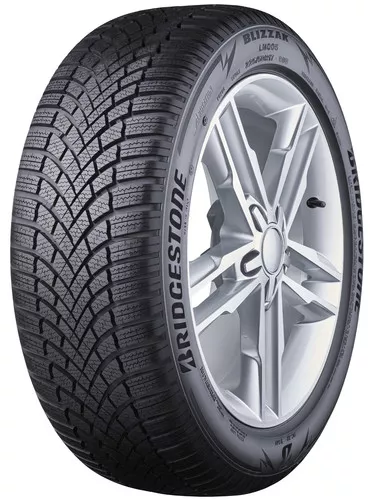
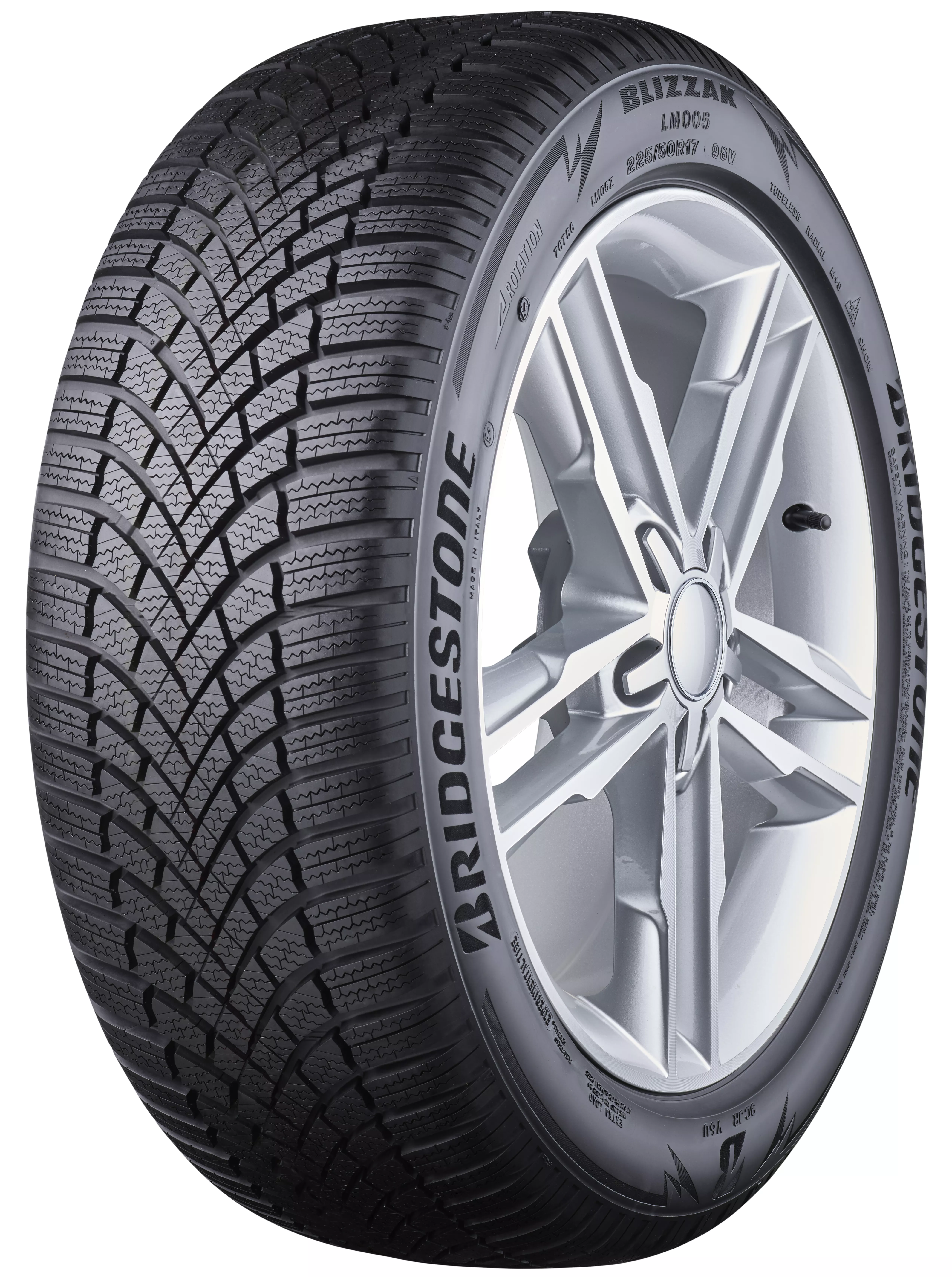
The Pirelli Winter Sottozero 3 and the Bridgestone Blizzak LM-005 are both premium winter tyres, but they have markedly different characters and, frankly, a markedly different record. Across nine shared comparative tests, the Bridgestone has won every single one — a clean sweep that is difficult to argue with. The Pirelli is an ultra-high performance winter tyre co-developed with prestige car manufacturers including BMW, Porsche, and Audi, built around a more driver-focused brief. The Bridgestone is the safety-first all-rounder — particularly dominant in wet conditions, where it sets a standard few competitors reach. Worth noting: Bridgestone has already launched the Blizzak 6 as its successor, which is worth considering for new purchases.
Winter Sottozero 3
Blizzak LM-005


Averaged from 6 tests
Pirelli Winter Sottozero 3
Bridgestone Blizzak LM-005
Pirelli Winter Sottozero 3
Bridgestone Blizzak LM-005
Pirelli Winter Sottozero 3
Bridgestone Blizzak LM-005
Pirelli Winter Sottozero 3
Bridgestone Blizzak LM-005
Pirelli Winter Sottozero 3
Bridgestone Blizzak LM-005On wet roads, the gap between these two tyres is significant and safety-relevant. The Blizzak LM-005 averages 29.8 metres of wet braking distance across two measured tests, against 33.3 metres for the Sottozero 3 — a difference of 3.5 metres that matters enormously in a real emergency. In a single Autobild braking test, the spread was even more dramatic: 30.3 metres for the Bridgestone versus 35.2 metres for the Pirelli. The Bridgestone's wet credentials extend well beyond braking — its aquaplaning resistance is substantially stronger (84.9 versus 71.4), and its wet handling has earned scores close to the maximum in objective testing. Real owners of the LM-005 consistently highlight wet-weather confidence as its defining strength. The Pirelli is competent in the wet but sits clearly behind, and aquaplaning resistance in particular is an area where the difference is considerable.
Pirelli Winter Sottozero 3
Bridgestone Blizzak LM-005
Pirelli Winter Sottozero 3
Bridgestone Blizzak LM-005
Pirelli Winter Sottozero 3
Bridgestone Blizzak LM-005
Pirelli Winter Sottozero 3
Bridgestone Blizzak LM-005The Pirelli's strongest ground is dry winter roads, and it is here that it makes its most compelling case. Its dry braking score of 86.3 comfortably exceeds the Bridgestone's 81.2, and testers consistently praise its precise turn-in and dynamic handling feel on cold but clear tarmac — qualities that reflect Pirelli's co-development work with performance car brands. The 3D sipe technology is specifically engineered to improve dry braking and reduce stopping distances, and it shows. The Bridgestone is no embarrassment on dry roads — its objective handling scores are actually exceptional — but dry braking is its acknowledged weakness. Extended dry stopping distances have been flagged as the one area that prevents the LM-005 from a clean sweep of top verdicts in testing. If you regularly drive on winter roads that are cold and dry rather than wet or snowy, the Pirelli's sharper character has genuine appeal.
Pirelli Winter Sottozero 3
Bridgestone Blizzak LM-005
Pirelli Winter Sottozero 3
Bridgestone Blizzak LM-005
Pirelli Winter Sottozero 3
Bridgestone Blizzak LM-005
Pirelli Winter Sottozero 3
Bridgestone Blizzak LM-005On snow, the two tyres are more evenly matched than their overall test records suggest. Both share an identical overall snow performance score of 77.6, and the measured braking data reflects this: the Blizzak LM-005 averages 24.6 metres on snow against 26.1 metres for the Sottozero 3 — a smaller gap than in the wet. The Pirelli's directional double-arrow tread and high sipe density deliver real snow traction, and owners report solid performance in genuine winter conditions. The Bridgestone, however, carries a known limitation: snow handling has been flagged across multiple tests for understeer tendency and moderate side grip — particularly in corners. Its snow acceleration is excellent, and straight-line snow braking is strong, but the Pirelli arguably offers the more composed cornering balance in deep snow. Neither tyre is a specialist in ice conditions; both perform at a level typical of premium winter tyres on that surface.
Pirelli Winter Sottozero 3
Bridgestone Blizzak LM-005
Pirelli Winter Sottozero 3
Bridgestone Blizzak LM-005
Pirelli Winter Sottozero 3
Bridgestone Blizzak LM-005
Pirelli Winter Sottozero 3
Bridgestone Blizzak LM-005
Pirelli Winter Sottozero 3
Bridgestone Blizzak LM-005The Bridgestone is noticeably more refined in everyday use. Its comfort and noise scores — 80.6 and 82.9 respectively — are meaningfully higher than the Pirelli's 69.1 and 71.2, and this is apparent to owners. The LM-005 offers a smooth, well-damped ride with low interior noise, a combination that makes it pleasant for long winter commutes. The Pirelli's firmer, more driver-focused character comes at a cost in refinement. On rolling resistance, the Bridgestone also holds a clear advantage at 86.6 versus 80.7 for the Pirelli — better for fuel economy. Both tyres are known for relatively modest tread life; the Pirelli's 65.5 mileage score edges the Bridgestone's 63.5, but neither should be expected to last as long as a good all-season. Pirelli owners who use the Sottozero 3 year-round consistently report faster wear than expected.
Pirelli Winter Sottozero 3
Bridgestone Blizzak LM-005
Pirelli Winter Sottozero 3
Bridgestone Blizzak LM-005Nine tests, nine wins for the Bridgestone Blizzak LM-005 — that record is decisive, and for most drivers the choice is straightforward. The LM-005 is safer in the wet by a meaningful margin, more comfortable, quieter, and more fuel-efficient. For anyone prioritising all-round winter safety on roads that are likely to be wet as often as they are snowy, it is the stronger recommendation. The Pirelli Winter Sottozero 3 earns its place on specific vehicles where it matters: it is an OE fitment on a wide range of premium and prestige cars, available in runflat construction, and genuinely better at dry braking. If your car was originally equipped with it, or if you drive a high-performance car and spend most of your winter on cold-dry roads, the Pirelli's more dynamic character has real merit. For everyone else, the Bridgestone wins clearly — though given its Blizzak 6 successor is now available, that newer model is worth investigating before committing.
Compare prices across all available dimensions for these tyres.
VS
VS
VS
VS
VS
VS
VS
VS
VS
VS
Pirelli Winter Sottozero 3 vs Vredestein Wintrac Pro
Pirelli Winter Sottozero 3 vs GoodYear UltraGrip Performance+
Pirelli Winter Sottozero 3 vs Dunlop Winter Sport 5
Bridgestone Blizzak LM-005 vs GoodYear UltraGrip Performance+
Bridgestone Blizzak LM-005 vs Continental WinterContact TS 870 P
Bridgestone Blizzak LM-005 vs GoodYear UltraGrip Performance 3
Bridgestone Blizzak LM-005 vs Semperit Speed-Grip 5