Goodyear dominates wet and aquaplaning; Michelin leads on dry precision and outstanding mileage.
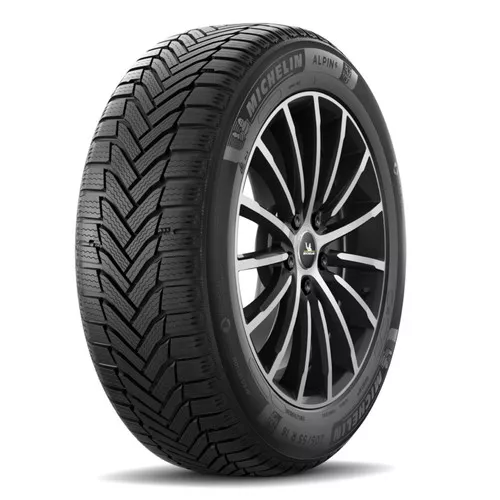
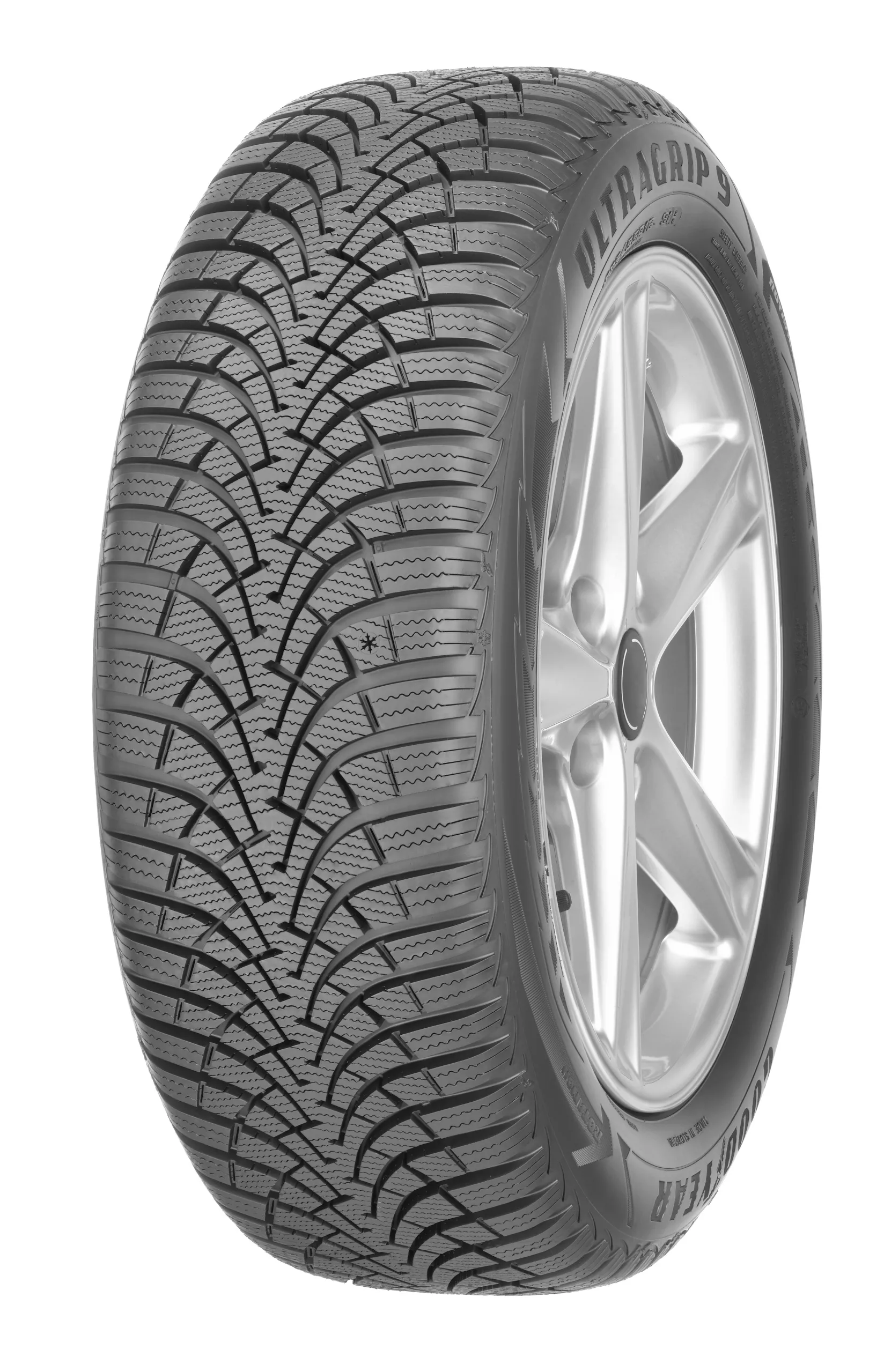
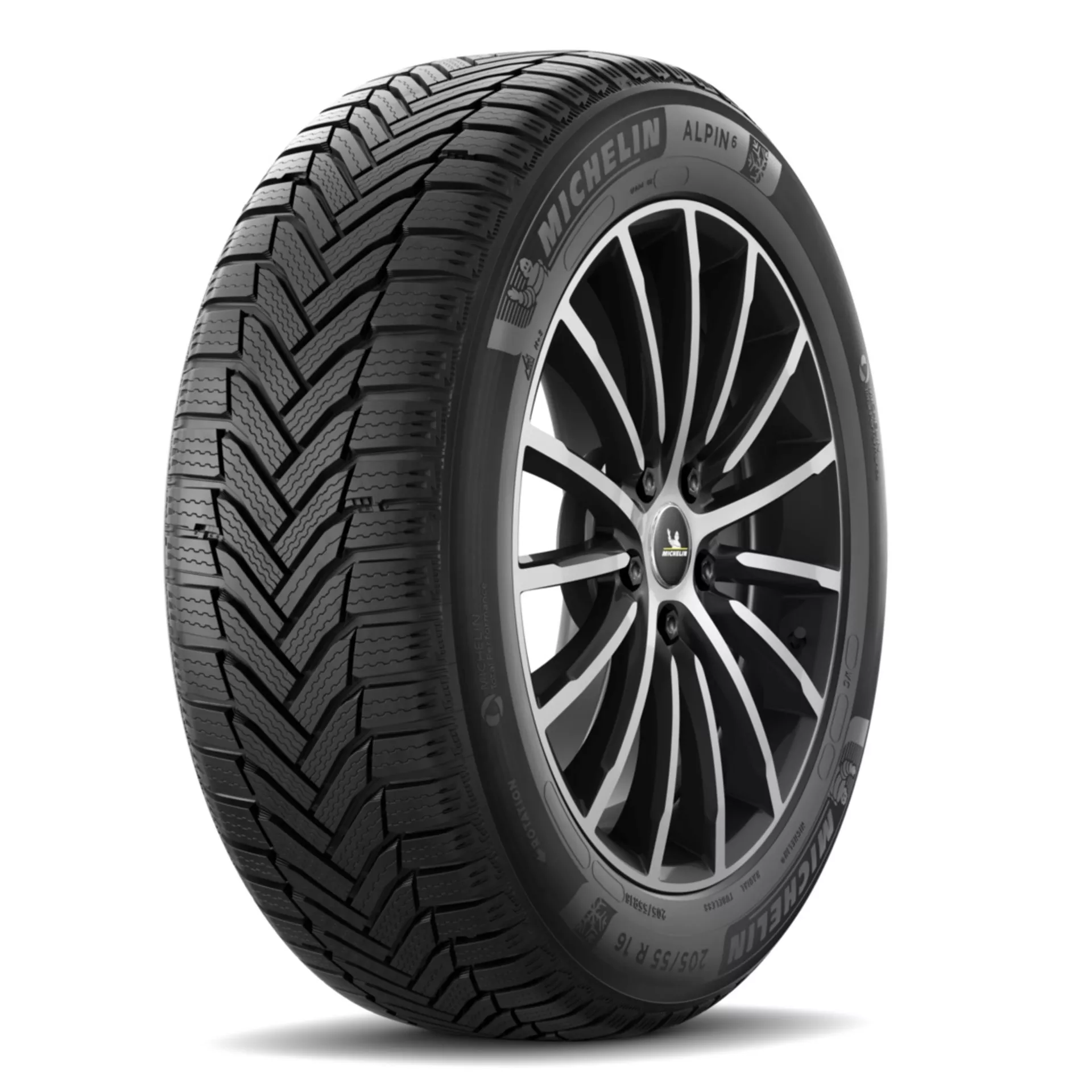
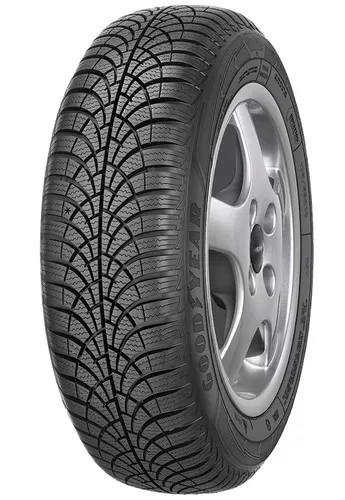
The GoodYear UltraGrip 9+ and the Michelin ALPIN 6 are both premium winter tyres, but they wear their strengths on very different sleeves. The UltraGrip 9+ is a wet-weather and aquaplaning specialist engineered primarily for smaller vehicles — a tyre that consistently punches above its weight in slippery conditions. The Michelin ALPIN 6, which succeeded the Alpin 5 and has since been replaced by the Michelin ALPIN 7, plays a longer game: sharper on dry roads, dramatically better on mileage, and quieter in the cabin. Across seven shared tests, the head-to-head splits almost evenly — four wins for Goodyear, three for Michelin — which makes choosing between them a genuine character decision rather than a clear quality gap.
UltraGrip 9+
ALPIN 6


Averaged from 6 tests
GoodYear UltraGrip 9+
Michelin ALPIN 6
GoodYear UltraGrip 9+
Michelin ALPIN 6
GoodYear UltraGrip 9+
Michelin ALPIN 6
GoodYear UltraGrip 9+
Michelin ALPIN 6
GoodYear UltraGrip 9+
Michelin ALPIN 6Wet roads reverse the hierarchy. The UltraGrip 9+ posts an aquaplaning score of 90.2 compared to the ALPIN 6's 79.2 — a substantial lead that reflects Goodyear's design priorities. In the one shared braking test with measured distances (Autobild 2021 in 205/55 R16), wet stopping was almost identical: 35.2m for the Goodyear versus 34.9m for the Michelin. But beyond straight-line braking, the UltraGrip 9+'s superior standing-water aquaplaning performance and wet cornering scores (89.5 for wet circle cornering) tell the fuller story. The ALPIN 6 has been noted for slight aquaplaning weaknesses in crossflow situations. Owners of the UltraGrip 9+ consistently highlight strong wet grip in real-world driving — a Seat Arona driver with 9,000km of mixed roads described outstanding confidence in cold rain, sleet and muddy runoff. Both carry an EU wet grip rating of B, but the UltraGrip 9+ is the more assured choice when the road is genuinely soaked.
GoodYear UltraGrip 9+
Michelin ALPIN 6
GoodYear UltraGrip 9+
Michelin ALPIN 6
GoodYear UltraGrip 9+
Michelin ALPIN 6
GoodYear UltraGrip 9+
Michelin ALPIN 6This is where the gap between the two is at its widest. The ALPIN 6 carries a dry braking score of 86.4 against the UltraGrip 9+'s 69.8 — a significant difference that independent testing consistently confirms. Michelin earns repeated praise for precise and safe handling at the limit on dry tarmac, with objective dry handling scores among the highest in its test fields. The UltraGrip 9+ is competent and safe on dry roads, but testers flag mild imprecision in steering response, a behaviour that becomes more apparent when pushing hard. For drivers who spend much of the winter on cold but dry asphalt, the ALPIN 6's confidence and composure are a meaningful advantage.
GoodYear UltraGrip 9+
Michelin ALPIN 6
GoodYear UltraGrip 9+
Michelin ALPIN 6
GoodYear UltraGrip 9+
Michelin ALPIN 6
GoodYear UltraGrip 9+
Michelin ALPIN 6On snow, both tyres are closely matched with the Goodyear holding a narrow edge in pure stopping. The same Autobild 2021 braking test recorded snow braking of 27.5m for the UltraGrip 9+ versus 29.1m for the ALPIN 6 — a 1.6-metre advantage that is meaningful in real emergency scenarios. Goodyear owners frequently mention reliable grip on snow and ice as a top reason for repurchase. The ALPIN 6 counters with outstanding ice braking (a 93 score in objective testing) and strong snow acceleration, and Michelin positions it as delivering excellent traction in severe winter conditions — an improvement of around 8% over the Alpin 5 in snow. Neither tyre leaves drivers exposed in winter conditions, but the UltraGrip 9+ edges it in braking, while the ALPIN 6 shows more refined ice behaviour.
GoodYear UltraGrip 9+
Michelin ALPIN 6
GoodYear UltraGrip 9+
Michelin ALPIN 6
GoodYear UltraGrip 9+
Michelin ALPIN 6
GoodYear UltraGrip 9+
Michelin ALPIN 6
GoodYear UltraGrip 9+
Michelin ALPIN 6The ALPIN 6 is the more refined companion on long winter journeys. Its noise score of 84.2 clearly betters the UltraGrip 9+'s 75.8, and owners repeatedly mention a quiet and comfortable ride — quietness is the single most cited positive across customer reviews. The UltraGrip 9+ is no disaster here, and its own owners also praise low noise levels, suggesting both are acceptable in real-world use. The bigger story is mileage: the ALPIN 6's longevity score of 92.5 is outstanding and sets it apart from almost any competitor, while the UltraGrip 9+ scores a more modest 74.7. For high-mileage drivers, the Michelin's durability makes its higher price easier to absorb over the life of the tyre. Rolling resistance tips slightly in Goodyear's favour (80.3 versus 76.3), keeping day-to-day fuel costs marginally lower.
GoodYear UltraGrip 9+
Michelin ALPIN 6
GoodYear UltraGrip 9+
Michelin ALPIN 6
GoodYear UltraGrip 9+
Michelin ALPIN 6Choose the GoodYear UltraGrip 9+ if you drive a smaller car, regularly face standing water and genuinely wet winters, and want a tyre that delivers maximum safety in the slippery conditions that winter tyres are actually bought for. It costs less to run, performs best where it matters most, and owners trust it. Choose the Michelin ALPIN 6 if you want dry-road precision, a quieter cabin, and exceptional tyre longevity — particularly if you cover high winter mileage across mixed conditions. Its broader size range (R15–R20) also makes it suitable for larger vehicles where the Goodyear's R14–R16 coverage falls short. Note that the ALPIN 6 has now been succeeded by the Michelin ALPIN 7, so check availability and pricing carefully before committing.
Compare prices across all available dimensions for these tyres.
VS
VS
VS
VS
VS
VS
VS
VS
VS
VS
GoodYear UltraGrip 9+ vs Bridgestone Blizzak LM-005
GoodYear UltraGrip 9+ vs Michelin Alpin 6
GoodYear UltraGrip 9+ vs Dunlop Winter Sport 5
GoodYear UltraGrip 9+ vs Vredestein Wintrac
Michelin ALPIN 6 vs Bridgestone Blizzak LM-005
Michelin ALPIN 6 vs Continental WinterContact TS 870
Michelin ALPIN 6 vs Dunlop Winter Sport 5
Michelin ALPIN 6 vs Vredestein Wintrac Pro