Continental wins every shared test and stops 2 metres shorter in snow — it's not close.
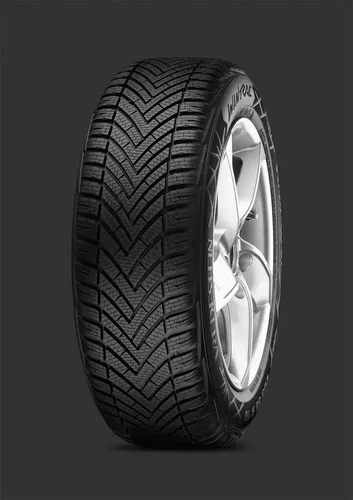
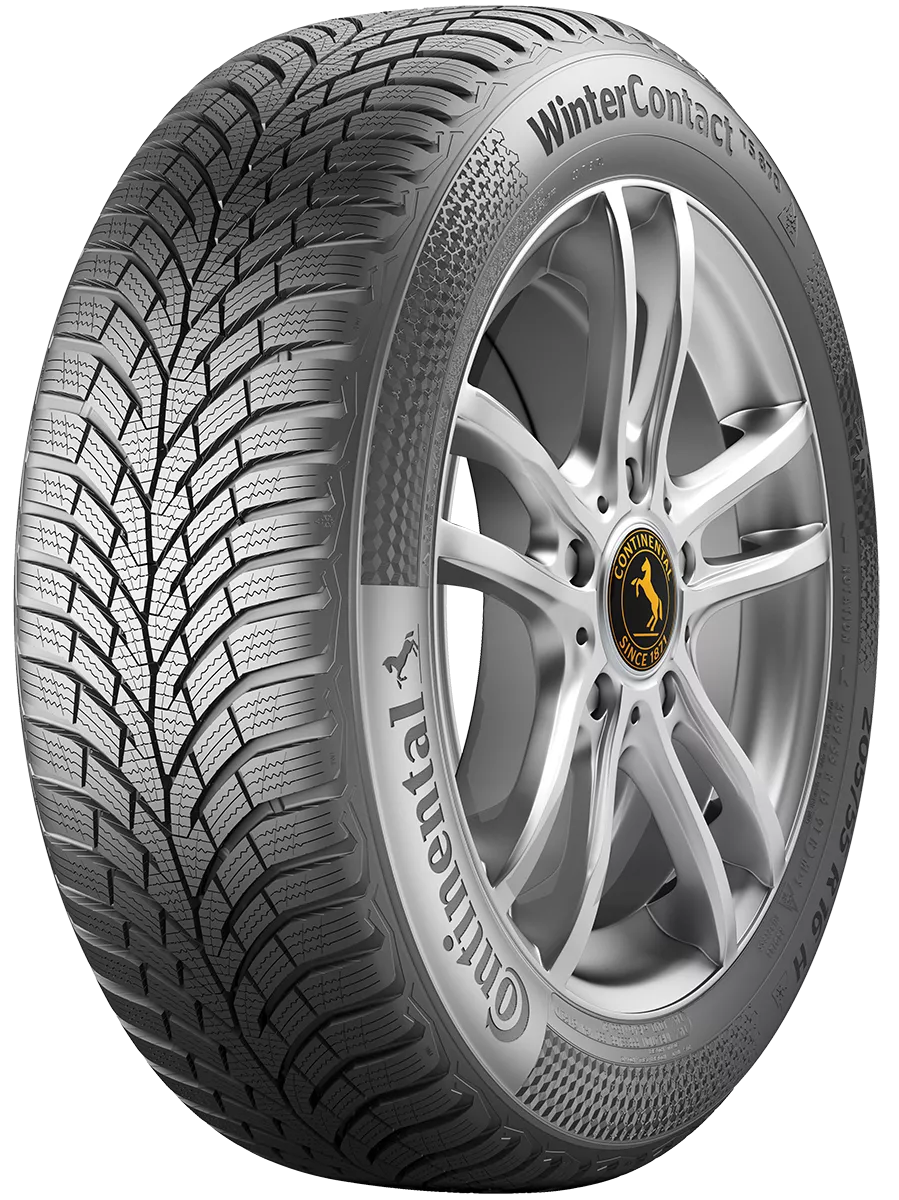
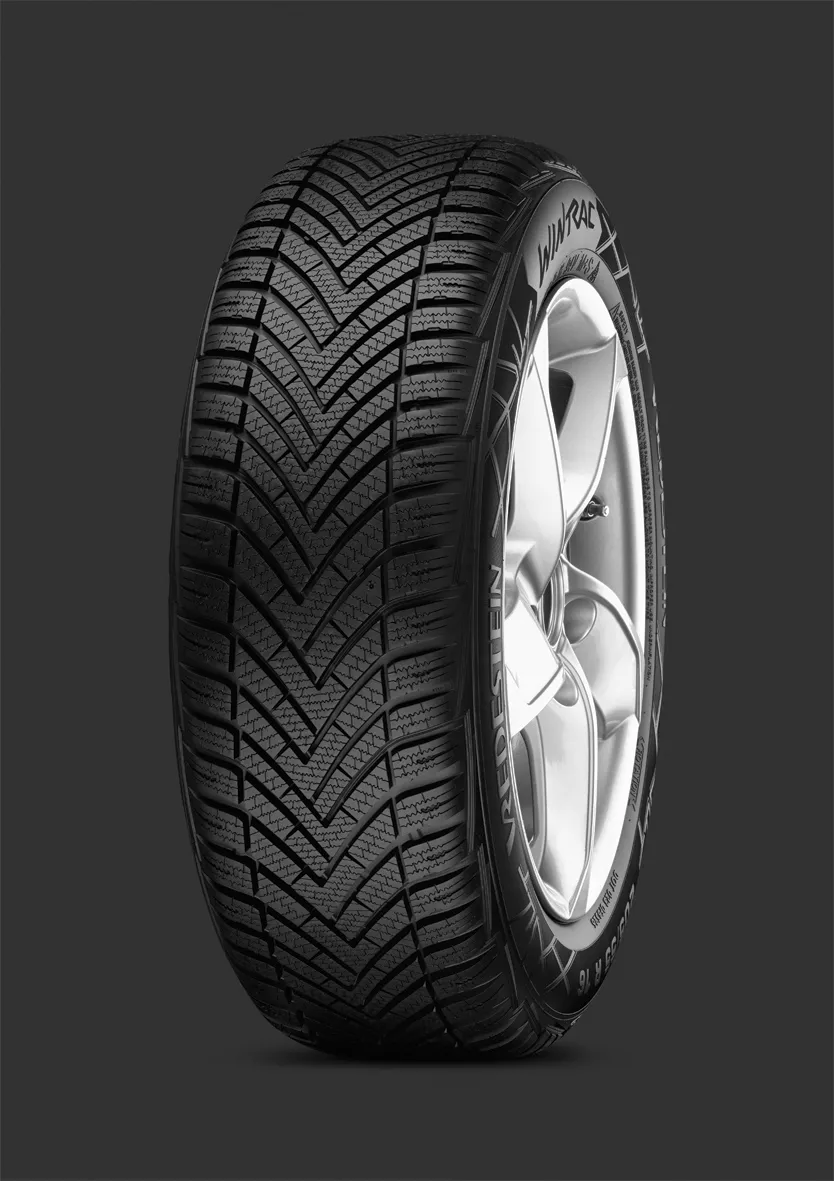
These two premium winter tyres share a price bracket but not much else. The Continental WinterContact TS 870 is one of the most decorated winter tyres in recent memory — a consistent test winner that excels in every condition without meaningful weakness. The Vredestein Wintrac, successor to the Snowtrac 5, is a more uneven proposition: it has genuine strengths on dry and ice, but struggles where it matters most for a winter tyre — snow traction and long-term wear. In nine shared tests across multiple years and organisations, the TS 870 has won every single one.
WinterContact TS 870
Wintrac


Averaged from 7 tests
Continental WinterContact TS 870
Vredestein Wintrac
Continental WinterContact TS 870
Vredestein Wintrac
Continental WinterContact TS 870
Vredestein Wintrac
Continental WinterContact TS 870
Vredestein Wintrac
Continental WinterContact TS 870
Vredestein WintracWet braking is the one area where the two are genuinely close. Averaging across two comparable braking tests, the Wintrac stops in 35.4m versus the TS 870's 35.7m — a negligible gap that amounts to nothing in practice. Where the gap opens up is aquaplaning resistance: the TS 870 scores 93.3 against the Wintrac's 71.7, a substantial difference that becomes relevant on winter roads with standing water or slush. ADAC 2024 also noted wet handling weaknesses in the Wintrac beyond braking, while the TS 870 has been praised across multiple test cycles for safe, precise wet behaviour with no significant faults. In overall wet conditions, the Continental is clearly the safer choice.
Continental WinterContact TS 870
Vredestein Wintrac
Continental WinterContact TS 870
Vredestein Wintrac
Continental WinterContact TS 870
Vredestein Wintrac
Continental WinterContact TS 870
Vredestein WintracOn dry winter roads, the Wintrac is actually competitive — its dry braking score of 90 edges the TS 870's 87, and its steering reaction is sharp. But scores and real-world test results don't always align: ADAC 2024 specifically flagged weak dry handling characteristics for the Wintrac, suggesting that while it can stop quickly in a straight line, its composure and precision through corners is a different matter. The Continental earns consistent praise for precise, safe dry behaviour across multiple independent test programmes, and it's more trustworthy when conditions transition between dry and damp patches — exactly the mixed-surface reality of winter driving.
Continental WinterContact TS 870
Vredestein Wintrac
Continental WinterContact TS 870
Vredestein Wintrac
Continental WinterContact TS 870
Vredestein Wintrac
Continental WinterContact TS 870
Vredestein WintracSnow is the discipline that separates these two most clearly. The TS 870 averages 28.4m in snow braking across two measured tests, against 30.3m for the Wintrac — nearly two metres longer, which translates to real-world consequences on icy descents or emergency stops. The performance score gap is equally stark: 89.9 for the TS 870 versus 72.8 for the Wintrac. The Wintrac does show decent ice braking (86.7 in test detail scores) and was praised for good winter traction in some earlier tests, but recent ADAC results penalised its snow handling outright. The TS 870's snow traction and cornering stability are among its strongest traits — consistent podiums across ADAC, AutoBild, Tyre Reviews, and AutoExpress tell the same story.
Continental WinterContact TS 870
Vredestein Wintrac
Continental WinterContact TS 870
Vredestein Wintrac
Continental WinterContact TS 870
Vredestein Wintrac
Continental WinterContact TS 870
Vredestein WintracThe TS 870 is the more refined tyre on the road. Its comfort score of 88.6 and noise score of 95.3 are both meaningfully higher than the Wintrac's 84.1 and 84.5. Real owners of the TS 870 consistently highlight how quiet it is — a notable step up even from its predecessor, the ContiWinterContact TS 850 — describing it as smooth and composed at motorway speeds. The Wintrac is acceptable on noise and ride, and owners on ice-prone roads have expressed satisfaction, but it doesn't match the refinement of the Continental. The bigger story is mileage: the TS 870 scores 90.3 versus a concerning 67.3 for the Wintrac. That's not a minor gap — the Wintrac will wear out significantly faster, and ADAC flagged only a satisfactory predicted lifespan. Given the premium price, that's a poor return on investment.
Continental WinterContact TS 870
Vredestein Wintrac
Continental WinterContact TS 870
Vredestein WintracThe Continental WinterContact TS 870 is the straightforward recommendation here. It wins all nine shared tests, leads on snow performance by a clear margin, offers far superior aquaplaning protection, and will last considerably longer on the road — the high price is justified by lower cost-per-kilometre. The Vredestein Wintrac is not a dangerous tyre: it has competitive wet braking, reasonable ice performance, and some owners in colder climates report real satisfaction. But its snow scores have fallen behind in recent testing, its mileage is poor, and the performance inconsistency makes it hard to recommend when the TS 870 costs only a little more and delivers reliably across every condition. Unless sizing forces your hand, the Continental is the obvious choice.
Compare prices across all available dimensions for these tyres.
VS
VS
VS
VS
VS
VS
VS
VS
VS
VS
Continental WinterContact TS 870 vs Bridgestone Blizzak LM-005
Continental WinterContact TS 870 vs Michelin Alpin 6
Continental WinterContact TS 870 vs Pirelli Cinturato Winter 2
Vredestein Wintrac vs Viking WinTech
Vredestein Wintrac vs Kleber Quadraxer 3
Vredestein Wintrac vs Nexen N blue HD Plus
Vredestein Wintrac vs Linglong ComfortMaster