Continental dominates comfort and efficiency; Michelin fights back with exceptional mileage and ice grip.
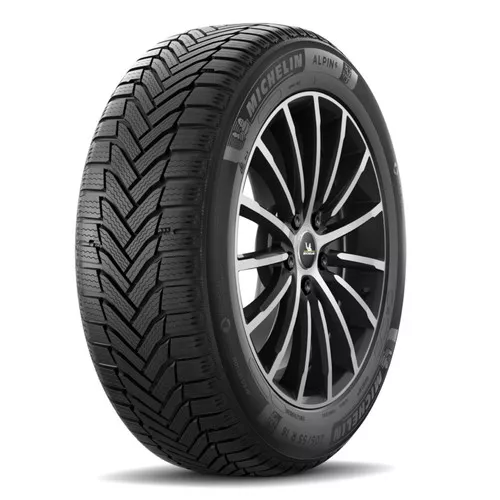
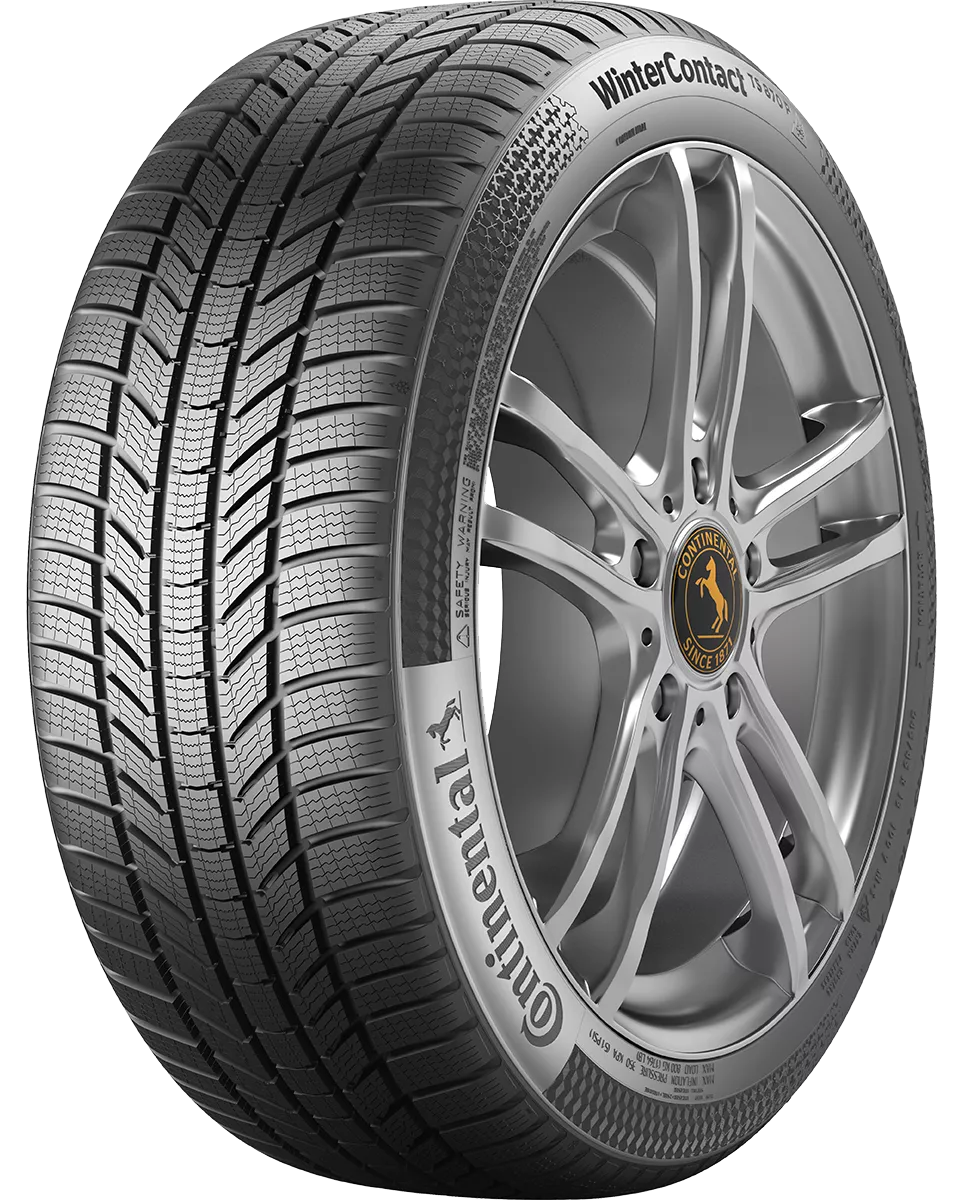
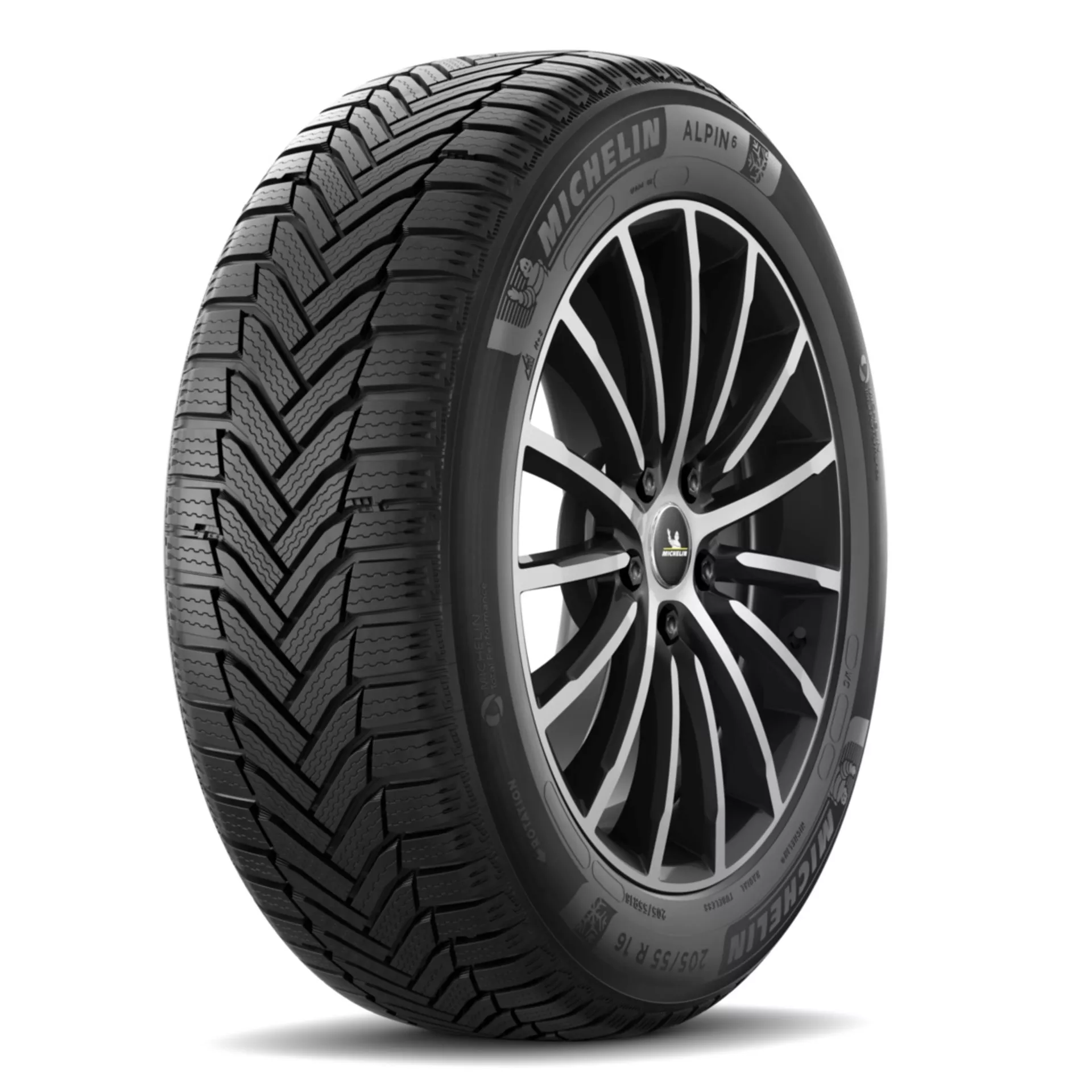
The Continental WinterContact TS 870 P and the Michelin ALPIN 6 are both premium winter tyres, but they come from very different places. The Continental is a current-generation tyre — modern compound, wide size range up to R22, and the kind of well-rounded scorecard that wins recent group tests. The Michelin ALPIN 6 dates back to 2019 and has since been succeeded by the ALPIN 7, yet it still holds its own in tests thanks to one exceptional talent: tyre life. These two split their four shared head-to-head test appearances evenly at 2–2, which tells the real story — they're different tyres for different priorities, not one clear champion.
WinterContact TS 870 P
ALPIN 6


Averaged from 2 tests
Continental WinterContact TS 870 P
Michelin ALPIN 6
Continental WinterContact TS 870 P
Michelin ALPIN 6
Continental WinterContact TS 870 P
Michelin ALPIN 6
Continental WinterContact TS 870 P
Michelin ALPIN 6
Continental WinterContact TS 870 P
Michelin ALPIN 6Wet performance is close, but the nuances matter. In the one shared measured braking test (Autobild 2022), the Michelin stopped in 34.1 m versus the Continental's 34.6 m on wet tarmac — a small but consistent margin. Both score identically on aquaplaning resistance (79.2), though the Continental carries a recurring weakness in lateral aquaplaning across multiple independent tests. The Continental's wet handling objective score is strong (91.5), but testers have noted it can brake slightly later than expected in wet conditions. Real-world owners of both tyres report adequate wet confidence, though the Michelin's wet braking score (83.0 vs 78.3) suggests a more naturally reassuring wet-road character.
Continental WinterContact TS 870 P
Michelin ALPIN 6
Continental WinterContact TS 870 P
Michelin ALPIN 6
Michelin ALPIN 6On dry roads, the Continental is the more dynamic of the two. Its dry handling objective score (98.8 vs 97.0) and consistently strong steering response put it in the sporting end of the premium winter segment — testers have called it the most engaging winter tyre in its class on dry tarmac. The Michelin, however, scores meaningfully higher on dry braking (86.4 vs 76.3), and in the shared Autobild 2022 snow and braking test it showed no weakness in confidence or precision at the limit. The Continental's sportier handling comes with slightly stiffer responses over road joints, which is worth noting for comfort-first buyers.
Continental WinterContact TS 870 P
Michelin ALPIN 6
Continental WinterContact TS 870 P
Michelin ALPIN 6
Continental WinterContact TS 870 P
Michelin ALPIN 6
Continental WinterContact TS 870 P
Michelin ALPIN 6Snow is where the gap is most interesting. In the shared Autobild 2022 braking test, the Continental stopped in 25.5 m versus 26.4 m for the Michelin — an advantage for the newer tyre. But the Michelin's overall snow score (82.1 vs 77.9) and its exceptional ice braking score (93.0 in aggregated test data), along with standout snow acceleration and traction figures, suggest it is the more rounded winter performer in genuinely severe conditions. The Michelin ALPIN 6 was specifically praised in multiple ADAC tests for being particularly strong on ice — a discipline where the Continental carries noted weaknesses. For drivers in consistently harsh winters, the Michelin's broader winter envelope is a genuine advantage.
Continental WinterContact TS 870 P
Michelin ALPIN 6
Continental WinterContact TS 870 P
Michelin ALPIN 6The Continental is the more comfortable and efficient tyre by a significant margin. Its comfort score (87.6 vs 81.9) and interior noise score (86.8 vs 84.2) reflect what owners confirm: it's notably refined on motorways, and the 73 Heureka reviewers cite quietness as a key strength. Where it falls well short is tyre life — its mileage score of 62.9 against the Michelin's 92.5 is one of the starkest differences in this comparison. The Michelin ALPIN 6 was built around longevity; Michelin positions it as a tyre that maintains performance across its entire lifespan, and durability is the most praised attribute among its 126 Heureka reviewers. The Continental's rolling resistance advantage (91.7 vs 76.3) makes it a strong choice for EVs and fuel economy, but if you're measuring cost per kilometre, the Michelin's durability story is compelling.
Continental WinterContact TS 870 P
Michelin ALPIN 6
Continental WinterContact TS 870 P
Michelin ALPIN 6The Continental WinterContact TS 870 P is the better tyre for most modern drivers: more balanced, more refined, better suited to EVs and fuel-conscious motoring, and built around a current compound that excels across dry, wet, and snow. It rates 93/100 for good reason. The Michelin ALPIN 6 is a harder sell in 2025 given it has already been replaced by the ALPIN 7 — but if you find it at a good price in the right size (R15–R20), its exceptional mileage, strong ice grip, and solid all-round winter credentials still make it worth serious consideration, particularly for high-mileage drivers or those in areas with frequent ice. Just be aware that successor stock of the ALPIN 7 may offer more up-to-date technology.
Compare prices across all available dimensions for these tyres.
VS
VS
VS
VS
VS
VS
VS
VS
VS
VS
Continental WinterContact TS 870 P vs Vredestein Wintrac Pro
Continental WinterContact TS 870 P vs Bridgestone Blizzak LM-005
Continental WinterContact TS 870 P vs Hankook Winter i*cept evo3 W330
Continental WinterContact TS 870 P vs Michelin Pilot Alpin 5
Michelin ALPIN 6 vs Bridgestone Blizzak LM-005
Michelin ALPIN 6 vs Continental WinterContact TS 870
Michelin ALPIN 6 vs Dunlop Winter Sport 5
Michelin ALPIN 6 vs Vredestein Wintrac Pro