Comparison: Continental UltraContact vs. Michelin Primacy 4+ vs. GoodYear UltraGrip Performance+ vs. Pirelli P Zero Winter 2 vs. Goodyear Efficientgrip 2 SUV
Also compare with
Continental leads on dry braking; Michelin delivers superior comfort, quietness, and aquaplaning safety.
The Continental UltraContact and Michelin Primacy 4+ are both premium summer touring tyres aimed at comfort-conscious drivers, but they serve noticeably different priorities. The Continental is built around outstanding dry braking and long tread life, while the Michelin — successor to the Primacy 4 and itself now followed by the Primacy 5 — has made its name on refined comfort, low noise, and safety that holds up as the tread wears. In their one shared test, the ADAC 2023 evaluation across a 50-tyre field, the Primacy 4+ finished third while the UltraContact came seventh. That gap reflects a real difference in all-round capability — though the Continental has more to say in specific areas than that single result suggests.
 UltraContact
 Primacy 4+




These tyres were not tested together in the same test. The scores below are aggregated from different independent tests, so direct comparison should be taken with caution.
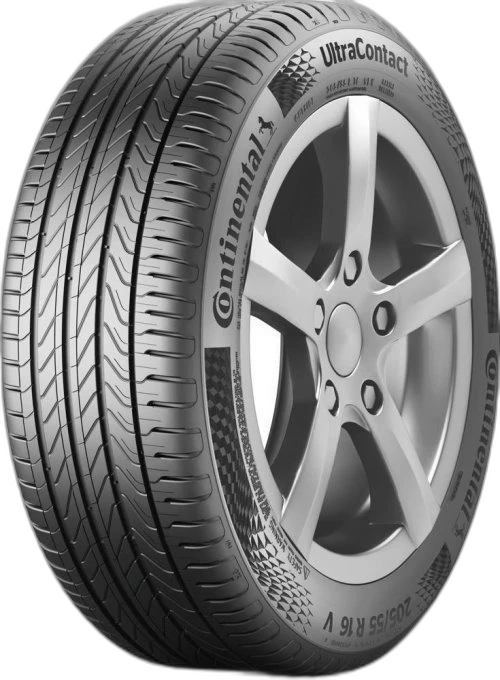
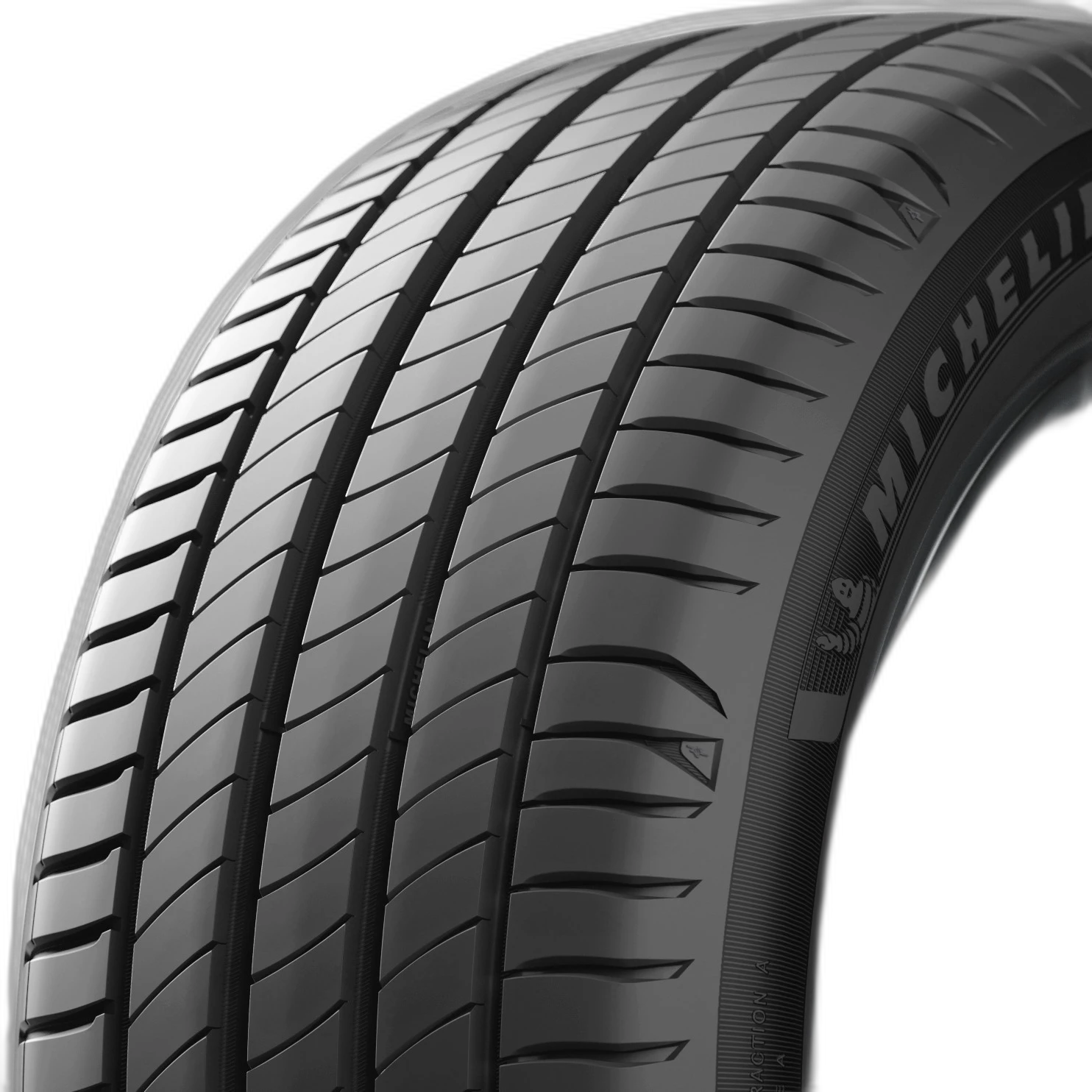
 Continental UltraContactMichelin Primacy 4+GoodYear UltraGrip Performance+Pirelli P Zero Winter 2Goodyear Efficientgrip 2 SUVContinental UltraContactMichelin Primacy 4+GoodYear UltraGrip Performance+Pirelli P Zero Winter 2Goodyear Efficientgrip 2 SUVContinental UltraContactMichelin Primacy 4+GoodYear UltraGrip Performance+Pirelli P Zero Winter 2Goodyear Efficientgrip 2 SUVContinental UltraContactMichelin Primacy 4+GoodYear UltraGrip Performance+Pirelli P Zero Winter 2Goodyear Efficientgrip 2 SUV
Wet performance is where the picture becomes more complex. Both carry EU wet grip A ratings, yet the detail matters. The UltraContact's wet braking score (85) edges the Primacy 4+'s (80), but the Continental's aquaplaning resistance (64.5) falls significantly short of the Michelin's (76.9) — a gap that becomes relevant whenever standing water is involved. Michelin's EverGrip technology is specifically designed to maintain wet safety as the tread wears, which is a genuine advantage for higher-mileage drivers. The caveat is that the Primacy 4+ is showing its age against newer designs in wet handling response — several test sources note longer handling times compared to more recent rivals, and one owner reported aquaplaning even on this tyre. The UltraContact's aquaplaning deficit remains its most significant weakness overall.
Continental UltraContactMichelin Primacy 4+GoodYear UltraGrip Performance+Pirelli P Zero Winter 2Goodyear Efficientgrip 2 SUVContinental UltraContactMichelin Primacy 4+GoodYear UltraGrip Performance+Pirelli P Zero Winter 2Goodyear Efficientgrip 2 SUVOn dry roads, the UltraContact punches hard. Its dry braking score of 91 outpaces the Primacy 4+'s 86.2, and that advantage is consistent across testing. ADAC confirmed a balanced, capable character on dry surfaces, and real owners back it up — good grip and confident responses are recurring themes. The Michelin is no pushover: testers consistently describe direct, precise steering with natural feedback and dynamic handling that feels assured at pace. But when it comes to outright stopping power on dry asphalt, the Continental holds a clear advantage.
Continental UltraContactMichelin Primacy 4+GoodYear UltraGrip Performance+Pirelli P Zero Winter 2Goodyear Efficientgrip 2 SUVContinental UltraContactMichelin Primacy 4+GoodYear UltraGrip Performance+Pirelli P Zero Winter 2Goodyear Efficientgrip 2 SUVContinental UltraContactMichelin Primacy 4+GoodYear UltraGrip Performance+Pirelli P Zero Winter 2Goodyear Efficientgrip 2 SUVContinental UltraContactMichelin Primacy 4+GoodYear UltraGrip Performance+Pirelli P Zero Winter 2Goodyear Efficientgrip 2 SUVComfort is firmly Michelin's domain. The Primacy 4+ scores 86.6 for ride comfort and 84.1 for noise — both well clear of the Continental's 75 in each category. Independent testing named it among the quietest tyres in its class, and real-world owners consistently highlight its hushed, refined motorway character. Rolling resistance also favours the Michelin (scoring 82.4), while the Continental's fuel efficiency label splits between B and C depending on size — a meaningful difference in running costs on longer journeys. The UltraContact is not coarse or loud by any means — owners switching from other brands report a noticeably quieter ride — but against the Primacy 4+ it simply cannot match the refinement on offer.
These are two premium tyres with genuinely different characters, and the right choice depends on what you value most. The Continental UltraContact makes a strong case for drivers who prioritise dry braking confidence and want outstanding mileage from a quiet, capable tyre. It is the sharper tool on dry roads and holds its own in wet braking — but its aquaplaning weakness is real and worth taking seriously. The Michelin Primacy 4+ is the more rounded all-weather choice: superior comfort, lower road noise, better aquaplaning behaviour, and safety that degrades more gently over time. For most everyday drivers covering a mix of motorway and urban roads, the Michelin's broader set of strengths — backed by its higher test placement and strong owner satisfaction — makes it the more compelling option. The Continental suits those who favour dry grip and can accept the aquaplaning trade-off.
Compare prices across all available dimensions for these tyres.
VSVSVSVS VSVSVSVS
 VSVSContinental UltraContact vs Goodyear Efficient Grip Performance
 Continental UltraContact vs Firestone Roadhawk
 Continental UltraContact vs Kleber Dynaxer HP5
 Continental UltraContact vs Semperit Speed-Life 3Michelin Primacy 4+ vs Bridgestone Turanza T005Michelin Primacy 4+ vs Kleber Dynaxer HP5Michelin Primacy 4+ vs Michelin Primacy 4Michelin Primacy 4+ vs Continental PremiumContact 7
TheTyreLab.com
Free — on the App Store
Compare tyres, read test results and find the best prices — all in one app.





