Comparison: Continental UltraContact vs. Michelin Primacy 4+ vs. GoodYear UltraGrip Performance 3 vs. Dunlop Winter
Also compare with
Michelin wins on comfort and refinement; Continental fights back with best-in-class dry braking.
The Continental UltraContact and the Michelin Primacy 4+ share the premium summer touring category but tell very different stories. The UltraContact is a dry-road specialist — its braking scores are among the best in class, and its long tread life gives it real economy credentials. The Michelin, successor to the Primacy 4 and built around the brand's EverGrip compound technology, is the more rounded performer: quieter, more comfortable, and significantly better at aquaplaning resistance. In their one shared test — ADAC 2023 — Michelin finished 3rd out of 50 tyres; Continental came 7th. That gap in overall standing reflects something meaningful about their character.
 UltraContact
 Primacy 4+




These tyres were not tested together in the same test. The scores below are aggregated from different independent tests, so direct comparison should be taken with caution.
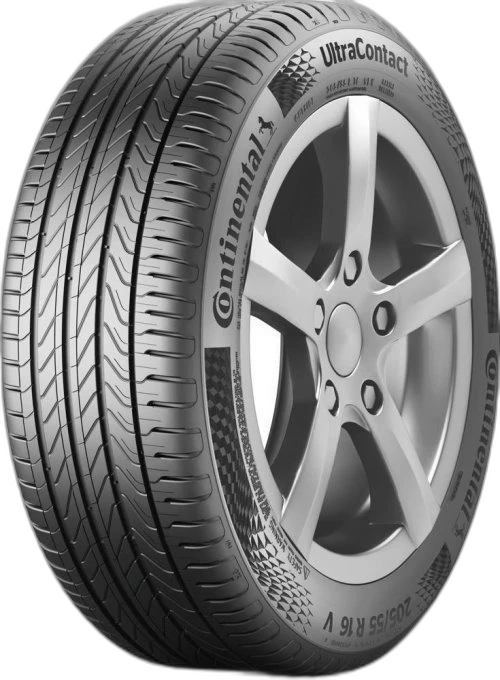
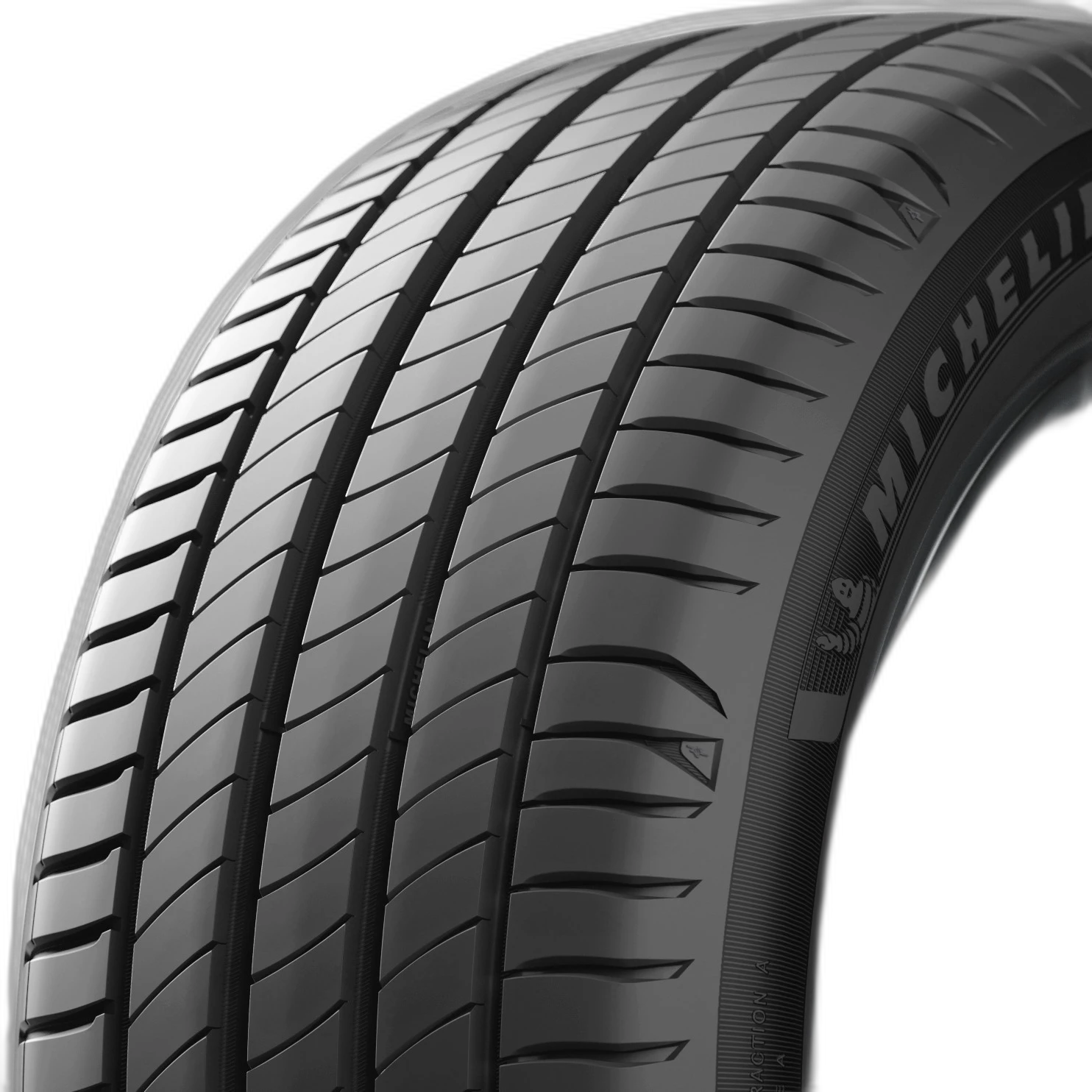
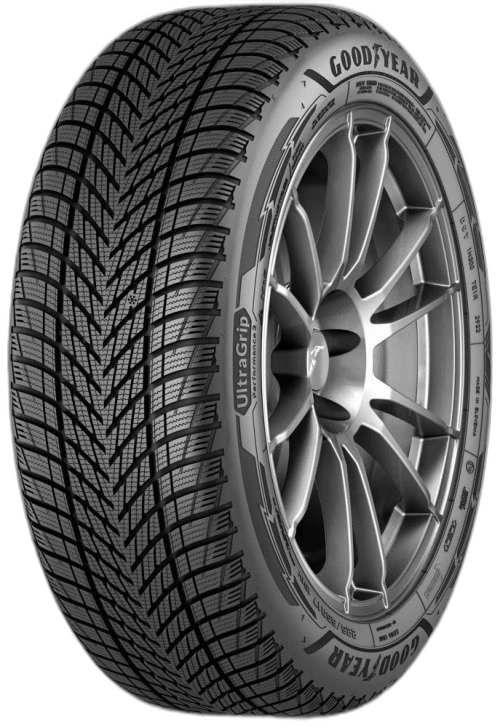
 Continental UltraContactMichelin Primacy 4+GoodYear UltraGrip Performance 3Dunlop WinterContinental UltraContactMichelin Primacy 4+GoodYear UltraGrip Performance 3Dunlop WinterContinental UltraContactMichelin Primacy 4+GoodYear UltraGrip Performance 3Dunlop WinterContinental UltraContactMichelin Primacy 4+GoodYear UltraGrip Performance 3Dunlop Winter
The wet picture flips the advantage decisively toward the Michelin — in one specific dimension at least. Aquaplaning resistance is the UltraContact's clearest weakness: a score of 64.5 against the Primacy 4+'s 76.9 is a meaningful gap that will matter to drivers on motorways in heavy rain. On wet braking, the UltraContact actually scores higher (85 versus 80), and ADAC flagged only mild wet weakness for Continental — but that aquaplaning deficit is hard to ignore. The Primacy 4+ carries its own caveats: more recent testing has noted that its wet handling and stopping distances are beginning to show the tyre's age against newer designs, and some owners have reported aquaplaning episodes despite the tyre's stronger average score. Neither tyre is a wet-weather star, but the Michelin is the safer all-round choice when the road gets seriously wet.
Continental UltraContactMichelin Primacy 4+GoodYear UltraGrip Performance 3Dunlop WinterContinental UltraContactMichelin Primacy 4+GoodYear UltraGrip Performance 3Dunlop WinterOn dry roads, the UltraContact is genuinely impressive. Its dry braking score of 91 is one of the highest in the premium summer segment, and ADAC testing underlined a balanced, safe dry handling character with good environmental credentials. Continental has built a tyre that stops short and inspires confidence in the majority of everyday dry conditions. The Primacy 4+ is no slouch — Autobild praised its short dry braking distances and direct steering response — but with a dry braking score of 86.2, it sits a clear step below the UltraContact in outright stopping power. Where the Michelin pulls ahead is at higher pace: testers noted a natural, easy-to-place steering feel that rewards smooth driving, whereas the UltraContact's character is more measured and neutral.
Continental UltraContactMichelin Primacy 4+GoodYear UltraGrip Performance 3Dunlop WinterContinental UltraContactMichelin Primacy 4+GoodYear UltraGrip Performance 3Dunlop WinterContinental UltraContactMichelin Primacy 4+GoodYear UltraGrip Performance 3Dunlop WinterContinental UltraContactMichelin Primacy 4+GoodYear UltraGrip Performance 3Dunlop WinterThis is where the Primacy 4+ makes its clearest case. A comfort score of 86.6 against the UltraContact's 75, and a noise score of 84.1 versus 75, reflect a tyre that is noticeably more refined on road. Tyre Reviews 2025 ranked it best-in-test for comfort and second quietest in its test group. Real owners back this up — Continental UltraContact users frequently highlight low noise and smooth ride, but Mercedes E-Class owners who switched to the UltraContact called it quieter and more comfortable than their previous rubber, suggesting it is refined enough in isolation. The Michelin simply raises that bar higher. On rolling resistance and projected mileage, the gap is closer: Continental scores 88 for mileage versus Michelin's 83.8, giving it a slight long-term economy edge despite the Michelin's strong rolling resistance credentials.
The Michelin Primacy 4+ is the more complete tyre — better rounded across comfort, noise, aquaplaning, and overall test performance — and for most drivers covering a mix of roads and weather, it is the stronger recommendation. Its EverGrip compound is designed to maintain safety performance even as the tread wears, which adds genuine long-term reassurance. The Continental UltraContact makes a compelling case for drivers whose priority is outright dry braking confidence and maximum tread life — its dry scores are exceptional, and high-mileage motorway users will find real value in its longevity. But its aquaplaning weakness and lower overall test standing mean it suits a narrower profile of buyer. If comfort and all-round safety matter most, choose the Michelin. If dry stopping power and tyre longevity are your priorities, the Continental delivers.
Compare prices across all available dimensions for these tyres.
VSVSVSVS VSVS
VSVS VSVS
VSVS VSVSContinental UltraContact vs Goodyear Efficient Grip Performance
 Continental UltraContact vs Firestone Roadhawk
 Continental UltraContact vs Kleber Dynaxer HP5
 Continental UltraContact vs Semperit Speed-Life 3Michelin Primacy 4+ vs Bridgestone Turanza T005Michelin Primacy 4+ vs Kleber Dynaxer HP5Michelin Primacy 4+ vs Michelin Primacy 4Michelin Primacy 4+ vs Continental PremiumContact 7
TheTyreLab.com
Free — on the App Store
Compare tyres, read test results and find the best prices — all in one app.




