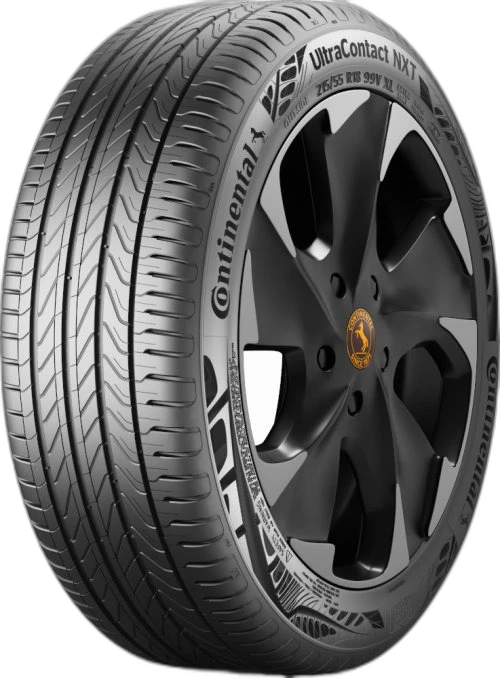
Comparison: Continental UltraContact vs. Michelin Primacy 4+ vs. Continental UltraContact NXT
Also compare with
The Michelin is the refined all-rounder; the Continental excels in dry braking and longevity.
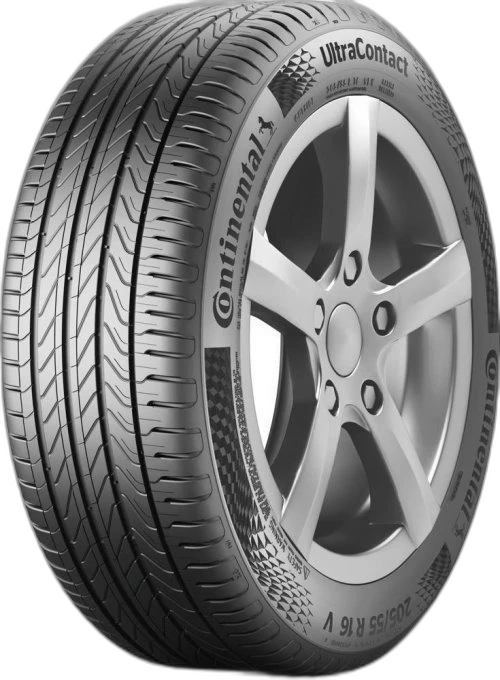
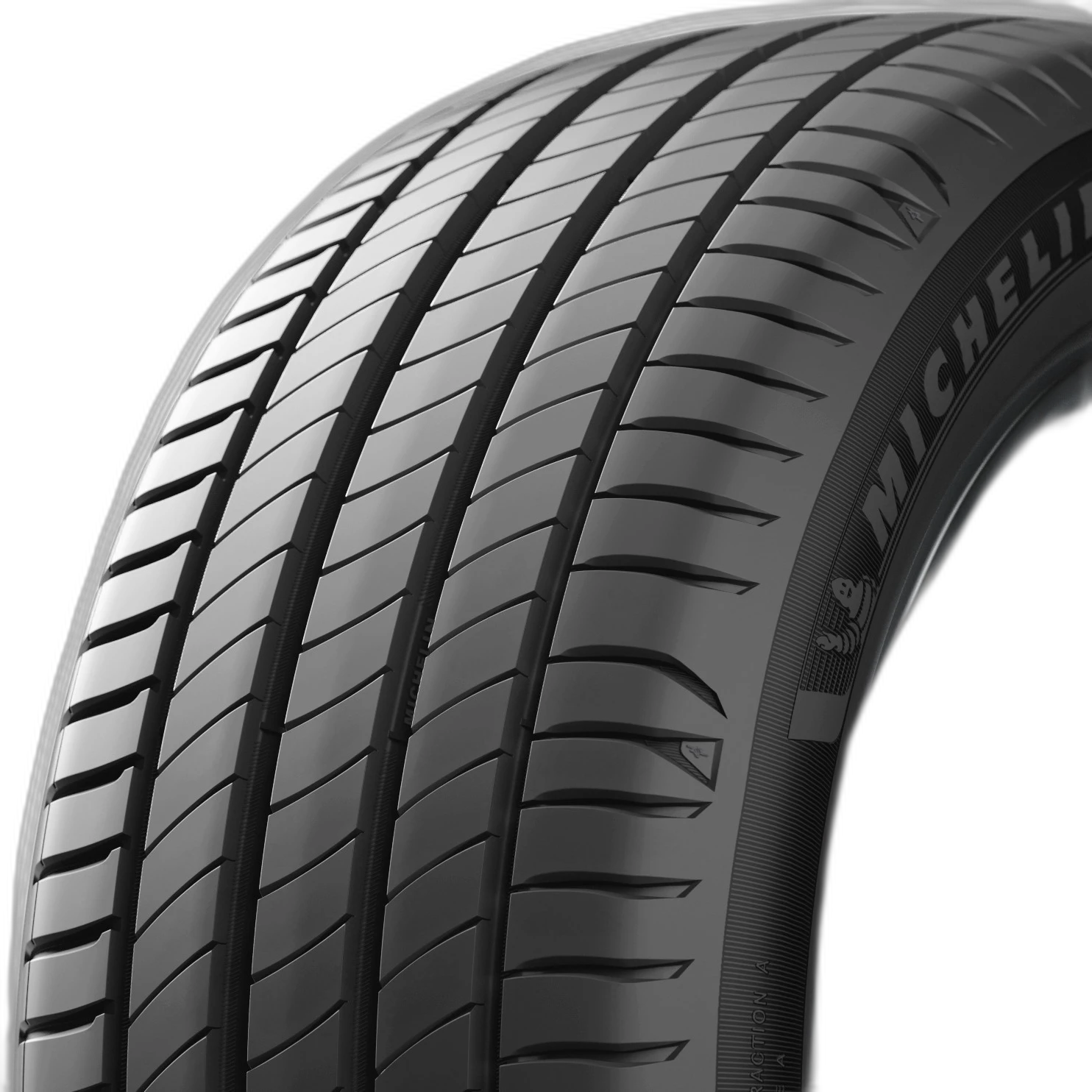
Both the Continental UltraContact and the Michelin Primacy 4+ sit in the premium summer touring segment, but they arrive there with noticeably different priorities. Continental has built the UltraContact around dry-road confidence and exceptional longevity — it is a tyre that rewards methodical, safety-conscious drivers who cover high mileage. Michelin's Primacy 4+, the evolution of the well-regarded Primacy 4 and now with a successor in the Primacy 5, leans harder into refinement: low noise, a supple ride, and a well-rounded character across conditions. In their one shared test — the ADAC 2023 benchmark across 50 summer tyres — the Primacy 4+ finished third while the UltraContact came seventh, which gives a useful early indicator of where the gap lies.
 UltraContact
 Primacy 4+


These tyres were not tested together in the same test. The scores below are aggregated from different independent tests, so direct comparison should be taken with caution.
 Continental UltraContactMichelin Primacy 4+Continental UltraContact NXTContinental UltraContactMichelin Primacy 4+Continental UltraContact NXTContinental UltraContactMichelin Primacy 4+Continental UltraContact NXTContinental UltraContactMichelin Primacy 4+Continental UltraContact NXT
Wet performance is where the comparison becomes more nuanced. Both carry a full EU A wet grip label across their range, but the underlying data tells a more detailed story. The UltraContact posts a wet braking score of 85 — genuinely competitive — but its aquaplaning resistance is a clear weak point at 64.5, a score that places it behind much of its premium competition. The Primacy 4+ scores 76.9 for aquaplaning, a meaningful real-world advantage when encountering standing water at speed. Wet handling for the Michelin averages 80.2 across tests, and Michelin's EverGrip technology is specifically designed to maintain wet grip as the tyre wears — a point that matters over the tyre's long life. That said, more recent evaluations note that the Primacy 4+'s wet performance is beginning to show its age against newer designs, with some testers flagging longer wet stopping distances compared to the latest generation of rivals. Real-world owners of the Primacy 4+ largely report confident wet behaviour, though isolated aquaplaning incidents on heavily flooded surfaces have been noted.
Continental UltraContactMichelin Primacy 4+Continental UltraContact NXTContinental UltraContactMichelin Primacy 4+Continental UltraContact NXTOn dry roads, the UltraContact has a genuine edge in outright braking. Its dry braking score of 91 places it among the best in its class, and testers consistently praise its balanced, composed character on dry tarmac — ADAC describing it as well-rounded with strong dry-road credentials. The Primacy 4+ scores 86.2 for dry braking, which remains competitive, and owners report precise, direct turn-in and good steering feedback. What the Michelin trades in raw braking sharpness it recovers somewhat in handling confidence — testers highlight its natural and predictable steering feel, making it easy to place accurately at all speeds. The UltraContact is the stronger emergency stopper in dry conditions; the Primacy 4+ offers a more communicative, reassuring experience in everyday dry driving.
Continental UltraContactMichelin Primacy 4+Continental UltraContact NXTContinental UltraContactMichelin Primacy 4+Continental UltraContact NXTContinental UltraContactMichelin Primacy 4+Continental UltraContact NXTContinental UltraContactMichelin Primacy 4+Continental UltraContact NXTThis is comfortably the Primacy 4+'s strongest suit. Its comfort score of 86.6 and noise score of 84.1 are significantly ahead of the UltraContact's 75 in both categories. Owners upgrading to the Primacy 4+ frequently remark on the quietness and smoothness — one Mercedes E-Class driver specifically highlighted how much more refined their motorway experience became. The UltraContact is no harsh tyre, and its own owners also mention low cabin noise as a positive, but the Michelin is in a different bracket here. Rolling resistance further favours the Primacy 4+ with a score of 82.4, translating to better fuel economy in everyday use. The UltraContact counters with outstanding projected mileage — scoring 88 for longevity — meaning it may outlast many rivals even if it concedes some ground on day-to-day refinement.
The UltraContact is a strong, safety-focused option if dry braking performance and long tyre life are your primary metrics — and at the right price point, it represents solid value. But the Primacy 4+ is the more accomplished all-round tyre. It combines competitive wet credentials, superior comfort and noise suppression, better aquaplaning reserves, and impressive longevity into a package that covers more of what most drivers actually need day-to-day. For family car drivers, motorway commuters, and anyone who values a refined, low-stress ownership experience, the Michelin Primacy 4+ is the clearer recommendation. The Continental UltraContact earns its place for drivers who spend most of their time on dry roads and want class-leading stopping distances paired with exceptional tread life.
Compare prices across all available dimensions for these tyres.
VS VSVSVSVS
 VSVSVSVSVSContinental UltraContact vs Goodyear Efficient Grip Performance
 Continental UltraContact vs Firestone Roadhawk
 Continental UltraContact vs Kleber Dynaxer HP5
 Continental UltraContact vs Semperit Speed-Life 3Michelin Primacy 4+ vs Bridgestone Turanza T005Michelin Primacy 4+ vs Kleber Dynaxer HP5Michelin Primacy 4+ vs Michelin Primacy 4Michelin Primacy 4+ vs Continental PremiumContact 7
TheTyreLab.com
Free — on the App Store
Compare tyres, read test results and find the best prices — all in one app.






