The Dynaxer stops 3 metres shorter on wet roads; the EcoContact 6 lasts longer and sips less fuel.
On paper, the Continental EcoContact 6 and the Kleber Dynaxer HP4 are both summer tyres aimed at everyday drivers, but their characters pull in quite different directions. Continental's EcoContact 6 is an eco specialist above all else — engineered with fuel savings and long tread life as primary goals, with wet grip treated as a secondary concern. The Kleber Dynaxer HP4, built with Michelin's backing at a more accessible price point, is a more rounded performer that surprised testers with its wet braking ability and comfort, even if it falls short on longevity. Three head-to-head tests place the Dynaxer ahead each time — a result that deserves explanation.
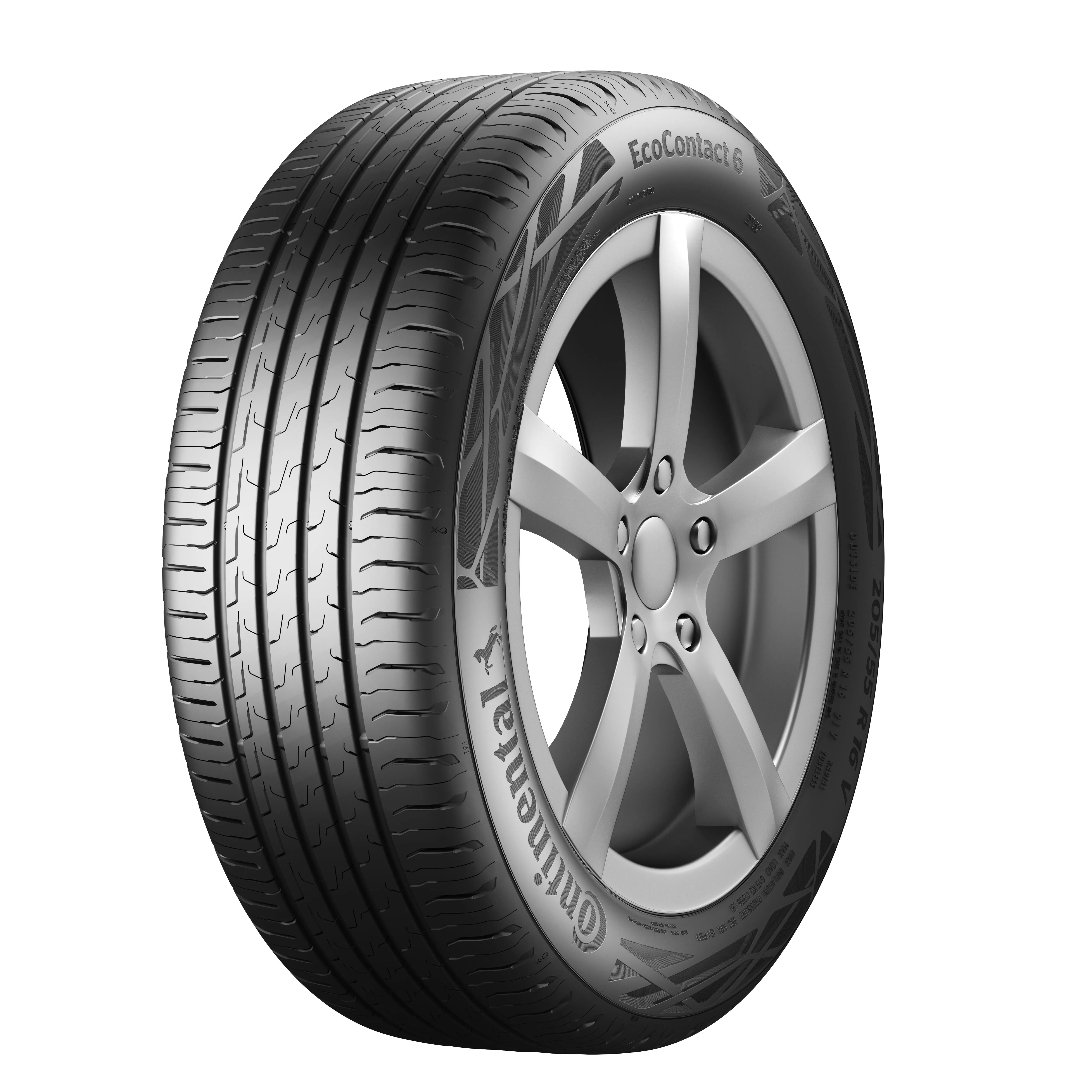
EcoContact 6
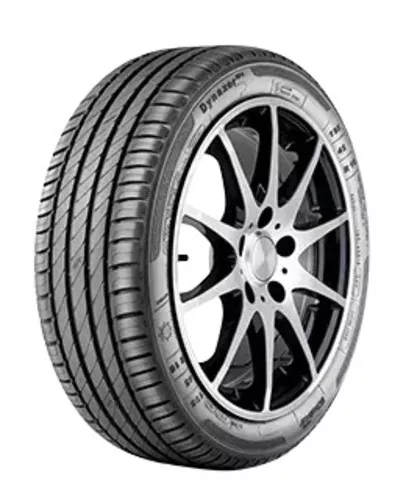
Dynaxer HP4


Continental EcoContact 6
Kleber Dynaxer HP4
Continental EcoContact 6
Kleber Dynaxer HP4
Continental EcoContact 6
Kleber Dynaxer HP4
Continental EcoContact 6
Kleber Dynaxer HP4
Continental EcoContact 6
Kleber Dynaxer HP4This is where the comparison becomes genuinely interesting. In the same Autobild 2022 head-to-head across 51 tyres in 215/55 R17, the Dynaxer HP4 finished 12th overall while the EcoContact 6 came 23rd — and the wet braking numbers explain why. Averaging 29.9 metres for the Dynaxer against 32.7 metres for the EcoContact 6 across two measured tests, the Kleber stops nearly three metres shorter on wet roads. That is a significant and consistent gap. The EcoContact 6's aquaplaning resistance is a documented concern — both ADAC and Autobild flagged it, and it scores measurably lower than the Dynaxer in straight-line aquaplaning. Wet handling on both tyres tends toward understeer, but the EcoContact 6's delayed turn-in response is more pronounced in the wet. For drivers who regularly encounter rain, the Dynaxer is the more confidence-inspiring choice.
Continental EcoContact 6
Kleber Dynaxer HP4
Continental EcoContact 6
Kleber Dynaxer HP4On dry roads the two tyres are remarkably close. Across two measured braking tests in 215/55 R17, average stopping distances came out at 36.4 metres for the EcoContact 6 and 36.2 metres for the Dynaxer HP4 — a difference so small it's essentially a tie. The EcoContact 6 carries stronger overall dry braking scores in the broader test database, but its dry handling has a known weakness: turn-in is sluggish and the tyre pushes into understeer when cornered harder. The Dynaxer HP4 shares a similar tendency on dry tarmac — understeer is a recurring criticism — but owners describe the dry grip as genuinely impressive for the price, with one Mazda 3 driver noting it stopped faster than expected in an emergency situation. Neither tyre is a handling reward, but both stop reliably on dry surfaces.
Continental EcoContact 6
Kleber Dynaxer HP4
Continental EcoContact 6
Kleber Dynaxer HP4The EcoContact 6's headline strength is efficiency. Its rolling resistance score is the best measured, translating into real fuel savings that owners consistently mention alongside high mileage — projected tread life scores are strong, and the tyre earned top marks from ADAC for fuel consumption. Noise levels are well-controlled, and the cabin remains pleasantly quiet on motorways, something 207 customer reviewers rate as a standout quality. The Dynaxer HP4 is quieter than you'd expect at its price point, with a strong exterior noise score and comfort ratings that place it ahead of many upper-middle competitors. However, mileage is the Dynaxer's clearest weakness — with a tread life score of 65.6 against the EcoContact 6's 88.5, it will need replacing sooner. For high-mileage drivers, that difference matters significantly over the life of a set. The EcoContact 6 covers a vast size range from R13 to R24 across 195 dimensions; the Dynaxer is limited to R14–R17 across just 44 sizes, which restricts its availability for larger or premium vehicles.
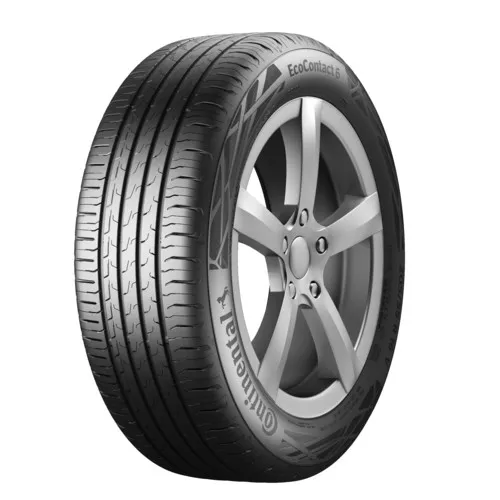
Continental EcoContact 6
Kleber Dynaxer HP4
Continental EcoContact 6
Kleber Dynaxer HP4These two tyres serve genuinely different needs. The Continental EcoContact 6 is the right choice if fuel economy, long tread life and a wide size range are your priorities — it's a premium eco tyre that saves money over time through efficiency and longevity, and its dry braking is solid. Its weakness in wet conditions and aquaplaning is a real trade-off worth acknowledging, particularly for drivers in wetter climates. The Kleber Dynaxer HP4 punches above its price bracket in wet conditions, offers good comfort and surprisingly short wet stopping distances — nearly three metres shorter than the EcoContact 6 in comparative testing. If budget matters and you want a balanced everyday tyre with creditable wet performance, the Dynaxer makes a strong case. Just expect to replace it sooner.
| Organization | Season | Year | Dimension | |
|---|---|---|---|---|
Autobild | Summer | 2022 | 215/55 R17 | View |
Compare prices across all available dimensions for these tyres.
VS
VS
VS
VS
VS
VS
VS
VS
VS
VS
Continental EcoContact 6 vs Kleber Dynaxer HP5
Continental EcoContact 6 vs BF Goodrich Advantage 2
Continental EcoContact 6 vs Bridgestone Turanza T005
Continental EcoContact 6 vs Michelin Primacy 5
Kleber Dynaxer HP4 vs BFGoodrich Advantage
Kleber Dynaxer HP4 vs Continental Ecocontact 6
Kleber Dynaxer HP4 vs Bridgestone Turanza T005
Kleber Dynaxer HP4 vs Barum Bravuris 5 HM