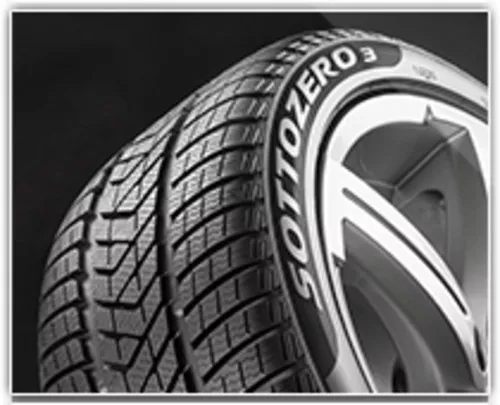
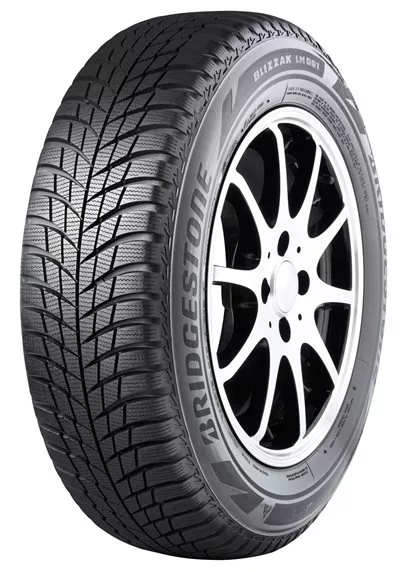
Bridgestone owns the snow; Pirelli owns the driver.
Two premium winter tyres, two very different philosophies. The Bridgestone Blizzak LM-001 is a broadly capable winter tyre that prioritises balanced cold-weather safety — strong in aquaplaning, competitive in braking, solid across most conditions. The Pirelli Winter Sottozero 3, developed hand-in-hand with BMW, Porsche, Mercedes and other prestige marques, is an ultra-high-performance winter tyre built around steering feel and dry-road confidence without surrendering winter credentials. Both wear the premium badge, but they serve distinctly different drivers.
Blizzak LM-001
Winter Sottozero 3


Bridgestone Blizzak LM-001
Pirelli Winter Sottozero 3
Bridgestone Blizzak LM-001
Pirelli Winter Sottozero 3
Bridgestone Blizzak LM-001
Pirelli Winter Sottozero 3
Bridgestone Blizzak LM-001
Pirelli Winter Sottozero 3
Bridgestone Blizzak LM-001
Pirelli Winter Sottozero 3Wet conditions produce a more nuanced picture. The overall wet-braking scores favour the Sottozero 3 (76.4 vs 61.5), yet in the single head-to-head Autobild braking test where actual distances were recorded, the gap all but vanishes: Bridgestone stopped in 32.5m, Pirelli in 32.2m — functionally identical across one measured test. Where the Blizzak LM-001 shows a genuine wet-weather edge is aquaplaning resistance: it scores 83.3 versus the Sottozero 3's 71.4, a meaningful margin that reflects the design's wider water evacuation channels. Real-world owner feedback on the Pirelli praises wet grip repeatedly, suggesting its handling feel reassures drivers even if peak aquaplaning margins are tighter. On balance, both are competent wet performers — the Blizzak edges it for safety margins in standing water, while the Pirelli feels more composed in dynamic wet cornering.
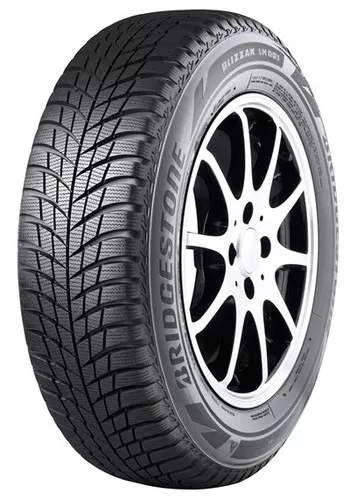
Bridgestone Blizzak LM-001On dry tarmac, the Sottozero 3 pulls ahead with authority. Its dry-braking score of 86.3 versus the Blizzak's 79.5 is one of the clearest gaps in this comparison, and it's backed by strong dry handling scores (81.9) that reflect Pirelli's deep collaboration with performance-oriented carmakers. The 3D sipe technology was specifically engineered to reduce dry stopping distances while keeping the block structure rigid under lateral load — something drivers of BMWs, Audis and Porsches will feel intuitively through the wheel. The Blizzak LM-001 is no slouch — an overall dry score of 81.7 is respectable — but it doesn't have the same last-metre urgency when braking on a cold, clear morning.
Pirelli Winter Sottozero 3
Pirelli Winter Sottozero 3Snow performance is where the Blizzak LM-001 stakes its strongest claim. In the Autobild snow braking test, it stopped in 28.7m versus the Pirelli's 29.8m — over a metre shorter in the snow, and that data aligns with its 4-wins-from-7 record in mutual tests. The Blizzak's high-density sipe pattern and rubber compound are tuned for maximum cold-weather bite across a wide range of winter surfaces. The Sottozero 3 isn't far behind — snow scores of 77.6 (marginally ahead of the Blizzak's 77.4) and strong snow handling scores of 80.9 show it's no fair-weather pretender. Pirelli's directional double-arrow pattern channels snow effectively, and owners consistently highlight good snow performance. Still, the Blizzak feels more at home when conditions turn truly white.
Bridgestone Blizzak LM-001
Pirelli Winter Sottozero 3
Bridgestone Blizzak LM-001
Pirelli Winter Sottozero 3
Bridgestone Blizzak LM-001
Pirelli Winter Sottozero 3
Bridgestone Blizzak LM-001
Pirelli Winter Sottozero 3This is where the two tyres diverge most sharply. The Sottozero 3 scores 69.1 for comfort and 71.2 for noise — solid numbers for a winter tyre, and owners on Heureka back this up with repeated mentions of low cabin noise. For drivers spending long hours on motorways, the Pirelli is genuinely pleasant. The Blizzak LM-001 lags significantly: comfort at 49.6, noise at 46.8. These are weak figures, and they suggest the compound and construction prioritise grip over refinement. On rolling resistance, the Pirelli edges ahead (80.7 vs 78), though the Blizzak shows stronger projected mileage (76 vs 65.5) — so the Bridgestone may prove the more durable long-term choice, despite its rougher ride.
Bridgestone Blizzak LM-001
Pirelli Winter Sottozero 3
Bridgestone Blizzak LM-001
Pirelli Winter Sottozero 3Choose the Bridgestone Blizzak LM-001 if your priority is maximising winter safety — especially in heavy snow and wet aquaplaning scenarios — and you're willing to accept a firmer, noisier ride. It wins more head-to-head tests overall and has a real advantage when roads turn white. Choose the Pirelli Winter Sottozero 3 if you drive a premium or performance car and want winter capability without sacrificing the driving experience. Its dry-braking confidence, superior comfort, and OEM fitments across BMW, Mercedes and Porsche lineups make it the natural choice for drivers who want to feel connected to the road, even in winter. The Pirelli costs more for less mileage — but for drivers of high-performance vehicles, the handling reward justifies it.
| Organization | Season | Year | Dimension | |
|---|---|---|---|---|
ADAC | Winter | 2016 | 225/45 R17 | View |
Compare prices across all available dimensions for these tyres.
VS
VS
VS
VS
VS
VS
VS
VS
VS
VS
Bridgestone Blizzak LM-001 vs Dunlop Winter Sport 5
Bridgestone Blizzak LM-001 vs Bridgestone Blizzak LM-005
Bridgestone Blizzak LM-001 vs Hankook W462 Winter i*cept RS3
Bridgestone Blizzak LM-001 vs Continental WinterContact TS 870 P
Pirelli Winter Sottozero 3 vs Vredestein Wintrac Pro
Pirelli Winter Sottozero 3 vs Bridgestone Blizzak LM-005
Pirelli Winter Sottozero 3 vs GoodYear UltraGrip Performance+
Pirelli Winter Sottozero 3 vs Dunlop Winter Sport 5