Fulda bites hardest in snow; Nokian rides quieter but is overdue for replacement.
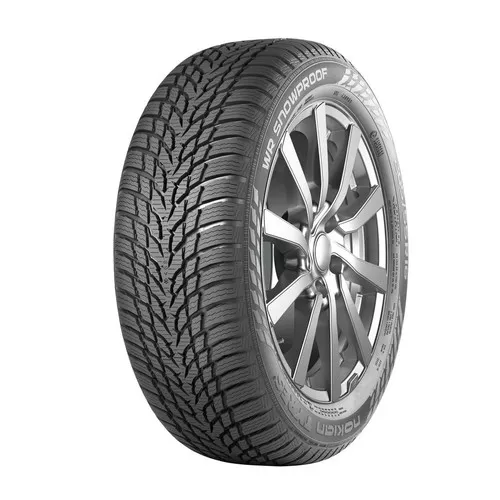
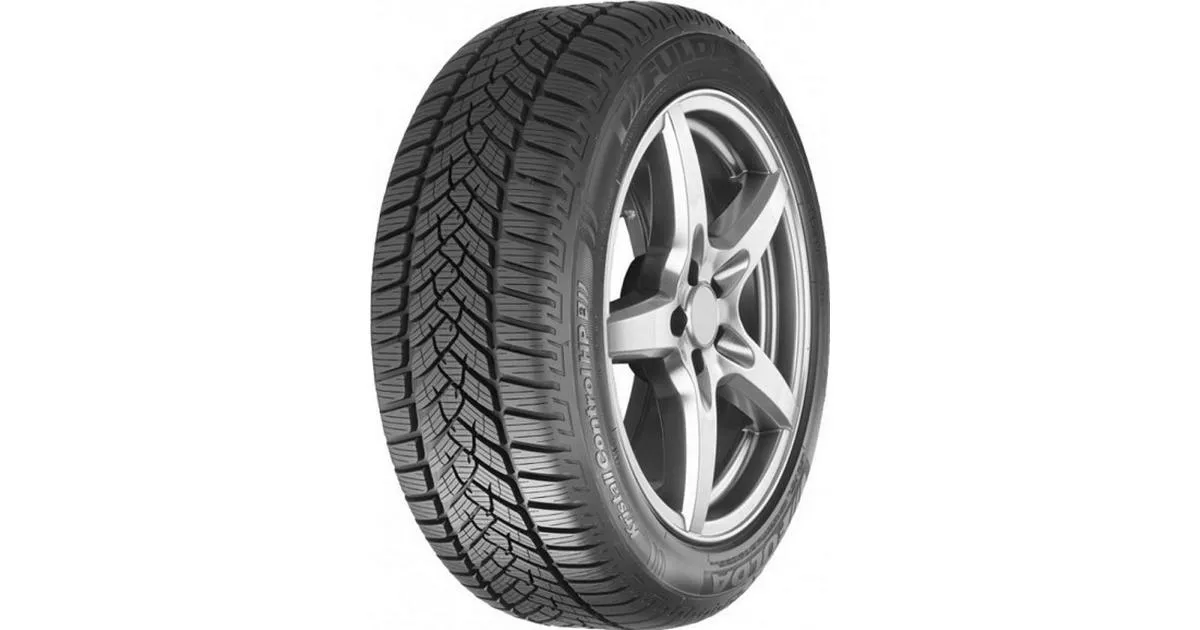
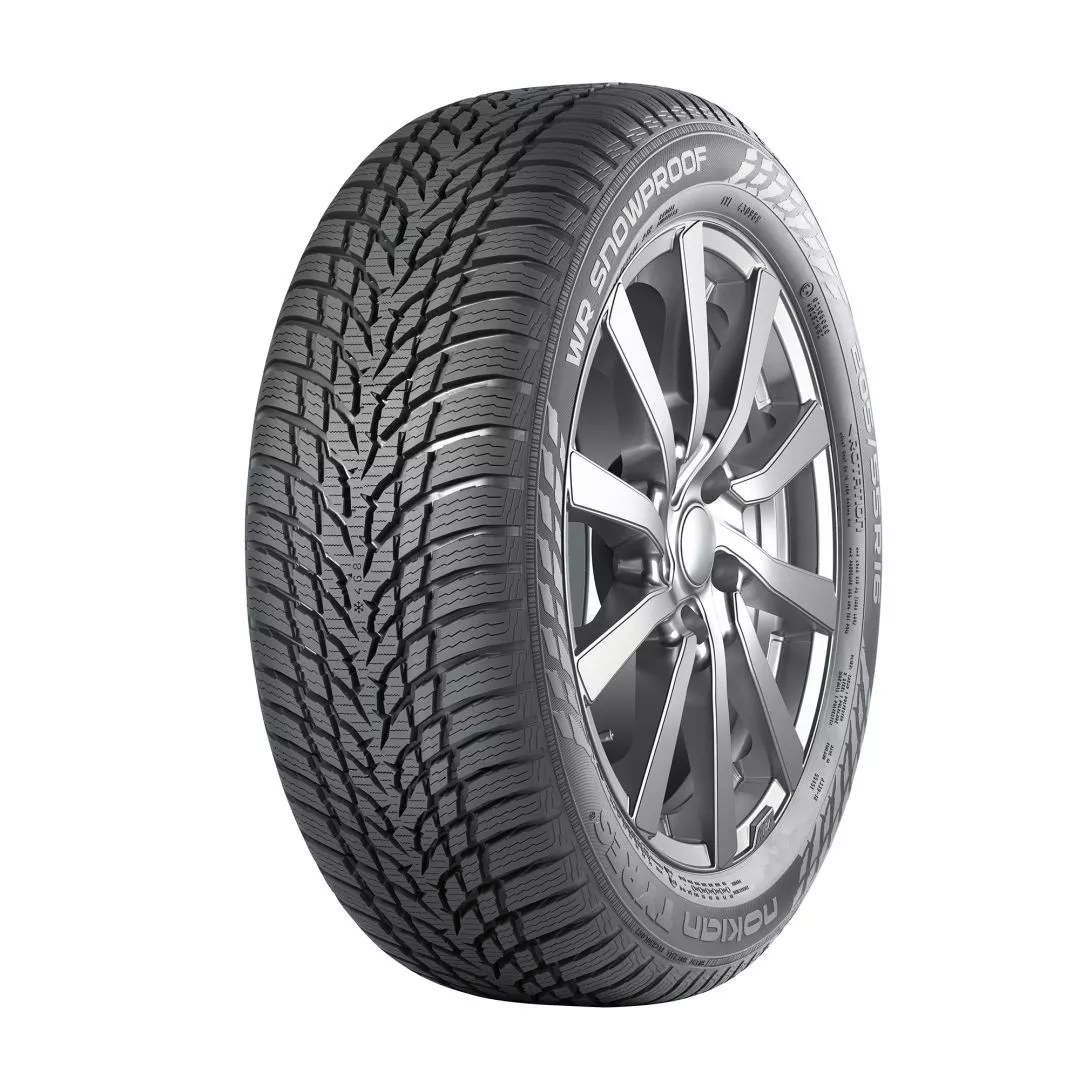
On paper, the Fulda Kristall Control HP2 and the Nokian WR Snowproof are both mid-range winter tyres for passenger cars, but they tell quite different stories. The Fulda is a budget-leaning snow specialist that earns its keep when the roads turn white but asks you to accept meaningful compromises on dry and wet asphalt. The Nokian, meanwhile, is a more rounded performer on cleared roads — quieter, more comfortable, with notably sharper dry braking — but its aquaplaning resistance lags and its snow credentials are slightly softer. There is also one critical piece of context: the Nokian WR Snowproof is a genuinely ageing design with a direct successor already on sale in the Nokian Snowproof 2, which most buyers should consider first.
Kristall Control HP2
WR Snowproof


Averaged from 2 tests
Fulda Kristall Control HP2
Nokian WR Snowproof
Fulda Kristall Control HP2
Nokian WR Snowproof
Fulda Kristall Control HP2
Nokian WR Snowproof
Fulda Kristall Control HP2
Nokian WR Snowproof
Fulda Kristall Control HP2
Nokian WR SnowproofOn wet roads, the margins narrow considerably — but neither tyre stands out. Across two measured braking tests, the Nokian WR Snowproof averages 34.4m versus the Fulda's 35.2m, a modest but consistent advantage for the Finnish tyre. In the 2019 Autobild test the gap was 1.3m in Nokian's favour; in 2021 it nearly closed to just 0.3m. The Fulda's EU wet grip label skews toward B and C ratings, while the Nokian's is predominantly class B — respectable but not exceptional for a premium-segment winter tyre. Aquaplaning is an area where the Fulda actually holds an edge: it drains water more effectively through corners and on straight runs, while the Nokian's aquaplaning resistance is a documented weak point. Drivers who regularly encounter standing water should factor this in.
Fulda Kristall Control HP2
Nokian WR Snowproof
Fulda Kristall Control HP2
Nokian WR SnowproofThis is where the gap between the two is most striking. The Nokian WR Snowproof is a significantly stronger performer on dry winter roads — its objective dry handling scores sit at the top of the class, and its dry braking capability is excellent. The Fulda Kristall Control HP2, by contrast, carries a known weakness here: testers have consistently flagged extended dry stopping distances and a tendency to understeer at all conditions. Both tyres are winter products not designed for summer dry driving, but if you regularly encounter long, clear stretches between snowfalls, the Nokian's dry-road composure is a genuine advantage worth noting.
Fulda Kristall Control HP2
Nokian WR Snowproof
Fulda Kristall Control HP2
Nokian WR Snowproof
Fulda Kristall Control HP2
Nokian WR Snowproof
Fulda Kristall Control HP2
Nokian WR SnowproofSnow is where the Fulda Kristall Control HP2 makes its strongest case. It posts better overall snow scores than the Nokian WR Snowproof and edges it in average snow braking across two tests — 26.5m versus 26.9m — a small but meaningful advantage on the surface that matters most in winter. Lateral traction and grip on packed snow are genuine highlights for the Fulda, and real-world owners back this up, describing confident handling on heavy snow roads. Ice lateral guidance scores are strong too. The Nokian WR Snowproof is no slouch on snow — snow acceleration figures are competitive — but in direct comparison tests it has generally finished behind the Fulda on snowy surfaces. For buyers whose priority is genuine winter capability, the Fulda's snow bias is a real differentiator.
Fulda Kristall Control HP2
Nokian WR Snowproof
Fulda Kristall Control HP2
Nokian WR SnowproofComfort and refinement go clearly to the Nokian. Its interior noise levels, ride quality, and rolling resistance scores are all considerably better than the Fulda's — owners report noticeably low fuel consumption, and one long-term user noted a saving of nearly a litre per 100km compared to previous winter tyres. The Fulda Kristall Control HP2 has been flagged by multiple test groups for loud rolling noise, particularly above 100 km/h, which makes it a less relaxing motorway companion. On the positive side, the Fulda's rolling resistance and predicted mileage are respectable for a budget winter tyre, and ADAC confirmed low wear and good fuel efficiency scores in 2025 testing. But if refinement and quiet running matter to you, the Nokian's character is clearly better suited to daily commuting.
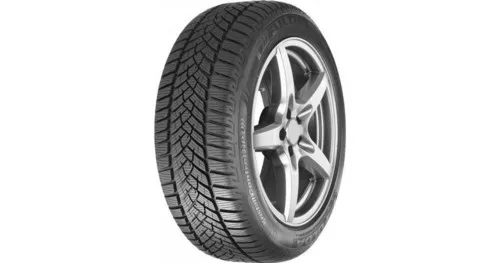
Fulda Kristall Control HP2
Nokian WR Snowproof
Fulda Kristall Control HP2
Nokian WR SnowproofIn five shared tests, the Fulda Kristall Control HP2 has won four times to the Nokian WR Snowproof's one — largely because the Fulda's snow bias suits winter test conditions well, even if it comes with real penalties on asphalt. For budget-conscious drivers who face consistent winter conditions and can tolerate more noise and longer dry braking distances, the Fulda is a credible, economical choice. The Nokian WR Snowproof is the more refined, dry-capable tyre, but the honest advice is this: the Nokian Snowproof 2 has superseded this model, and any buyer drawn to the Nokian's character would be better served looking at the updated generation rather than this ageing design. Between these two specific tyres, the Fulda edges it for pure winter focus; the Nokian edges it for daily refinement — but neither is a class leader in 2025.
Compare prices across all available dimensions for these tyres.
VS
VS
VS
VS
VS
VS
VS
VS
VS
VS
Fulda Kristall Control HP2 vs Barum Polaris 5
Fulda Kristall Control HP2 vs Sava Eskimo HP2
Fulda Kristall Control HP2 vs Semperit Speed-Grip 5
Fulda Kristall Control HP2 vs Debica Frigo HP2
Nokian WR Snowproof vs Matador MP93 Nordicca
Nokian WR Snowproof vs Nexen Winguard Snow G3 WH21
Nokian WR Snowproof vs Kleber KRISALP HP3
Nokian WR Snowproof vs Barum Polaris 5