Dunlop dominates snow and efficiency; Michelin counters with dry precision and exceptional mileage.
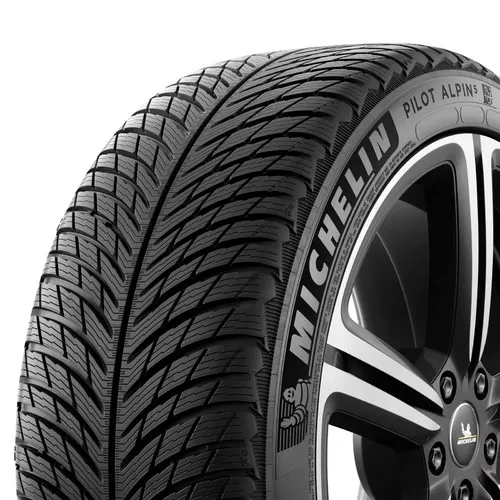
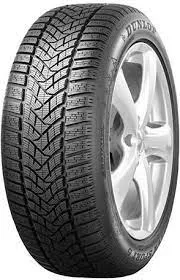
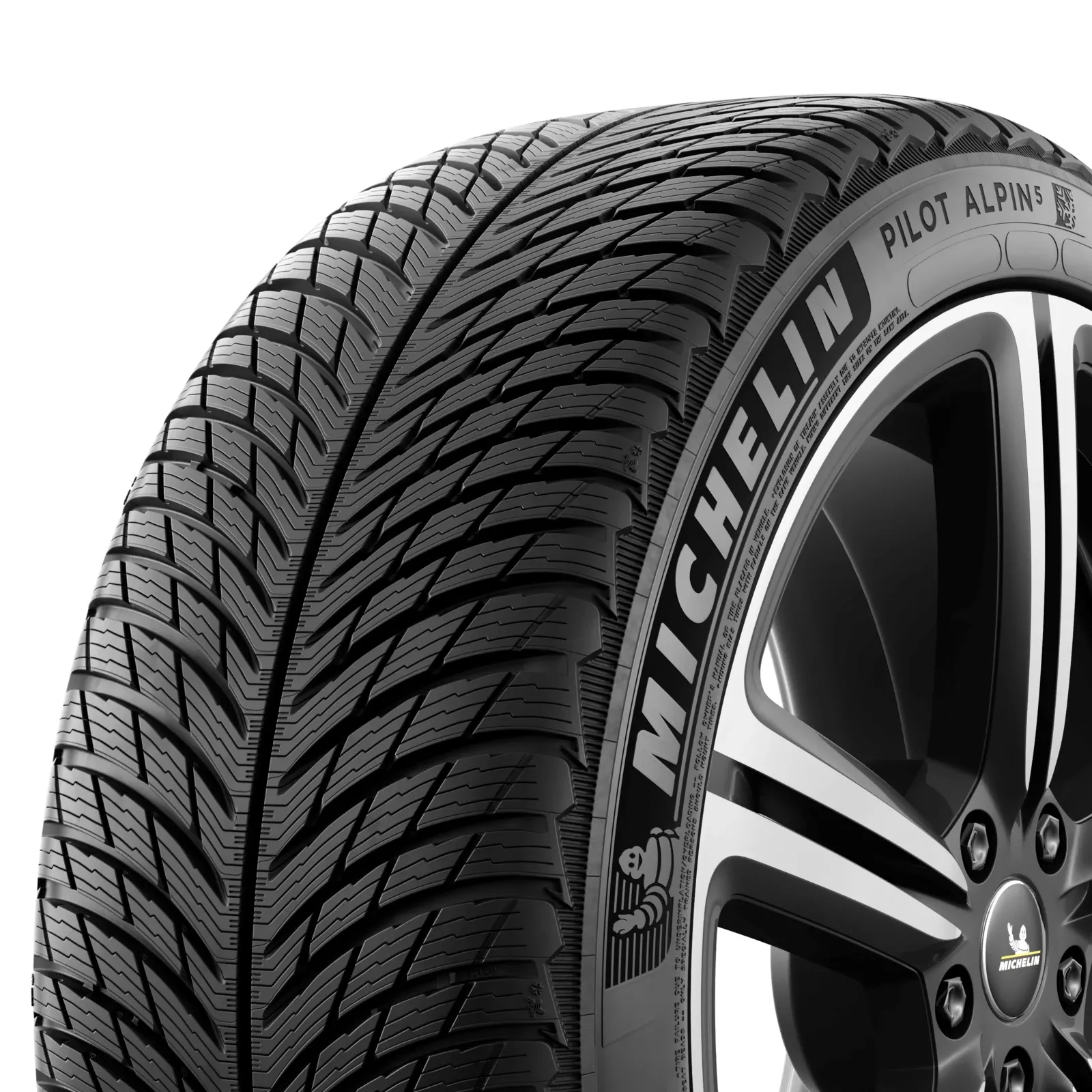
Two premium winter tyres from established European brands, the Dunlop Winter Sport 5 and the Michelin Alpin 5 have been competing directly since their near-simultaneous launches in 2015–2016 — and across 15 mutual test appearances, the Dunlop edges ahead with nine wins to Michelin's six. That scoreline, however, disguises a genuinely interesting split in character. The Dunlop is the winter specialist: a tyre built around snow confidence, efficient rolling resistance, and a well-rounded balance across winter disciplines. The Michelin is the dry-road performer and mileage champion, carrying the Alpin badge's traditional emphasis on composed on-road behaviour. Worth noting upfront: the Michelin Alpin 5 has since been superseded by the Michelin Alpin 6, so availability is narrowing — while the Dunlop remains in active production across a much broader size range.
Winter Sport 5
Alpin 5


Averaged from 2 tests
Dunlop Winter Sport 5
Michelin Alpin 5
Dunlop Winter Sport 5
Michelin Alpin 5
Dunlop Winter Sport 5
Michelin Alpin 5
Dunlop Winter Sport 5
Michelin Alpin 5
Dunlop Winter Sport 5
Michelin Alpin 5Wet performance is close, and the result depends heavily on which discipline you weight. In three measured wet braking tests, the Dunlop averages 34.8m to the Michelin's 35.3m — a narrow Dunlop lead that holds across 225/50 R17 and 195/65 R15 sizes. The Michelin counters with notably stronger aquaplaning resistance, where its longitudinal and cross-aquaplaning scores are significantly ahead, and multiple owners single out its wet-road grip as a standout quality. The Dunlop has received praise for matching near-summer-tyre wet performance in certain tests, which is remarkable for a winter design, though ADAC has flagged minor wet-road precision weaknesses in some evaluations. In heavy standing water, the Michelin's aquaplaning advantage gives it a meaningful safety edge; in hard braking on a wet but clear road, the Dunlop pulls slightly shorter. Neither tyre is a weak wet performer — this is a genuine trade-off rather than a clear winner.
Dunlop Winter Sport 5
Michelin Alpin 5
Dunlop Winter Sport 5
Michelin Alpin 5On dry tarmac, the Michelin Alpin 5 holds a clear advantage. Its dry braking score and dry driving behaviour are consistently rated higher across test programmes, and its objective dry safety scores sit meaningfully above the Dunlop's — tester feedback describes a composed, confidence-inspiring character on cold but dry winter roads. The Dunlop Winter Sport 5 is by no means unsafe in the dry; ADAC has rated it safe and precise in dry conditions across multiple test years, and it handles dry winter tarmac without drama. But at the limit, testers have flagged slightly reduced precision and marginal dry braking distances compared to the sharpest performers in class — a consistent note across recent evaluations. Owners of the Dunlop on motorways at temperatures above 5°C have independently noted that the sidewalls can feel soft in corners, introducing a degree of vagueness that the Michelin avoids.
Dunlop Winter Sport 5
Michelin Alpin 5
Dunlop Winter Sport 5
Michelin Alpin 5
Dunlop Winter Sport 5
Michelin Alpin 5
Dunlop Winter Sport 5
Michelin Alpin 5Snow is where the Dunlop Winter Sport 5 distances itself most clearly. Its snow capability scores are substantially higher, and three averaged braking tests confirm the pattern: 27.1m for the Dunlop against 27.6m for the Michelin on snow — a modest gap in metres that compounds across handling, traction, and confidence margins. In the Autobild 2015 SUV test, the Dunlop finished first while the Michelin placed fifth in the same field, and in two ADAC tests where both appeared, the Dunlop consistently outclassed the Michelin on winter surfaces. Testers repeatedly describe the Dunlop as precise and safe on snow at the limit, while the Michelin — positioned by its own brand as delivering safety in severe winter conditions — struggles to match the Dunlop's winter traction and handling scores. For drivers who regularly encounter real snowfall, this gap is the most important number in this comparison.
Dunlop Winter Sport 5
Michelin Alpin 5
Dunlop Winter Sport 5
Michelin Alpin 5
Dunlop Winter Sport 5
Michelin Alpin 5
Dunlop Winter Sport 5
Michelin Alpin 5
Dunlop Winter Sport 5
Michelin Alpin 5The Dunlop carries a meaningful comfort and efficiency advantage. Its rolling resistance score is significantly better than the Michelin's, which translates to real-world fuel savings — ADAC specifically praised its low fuel consumption and low weight in multiple consecutive test years. On noise, the Dunlop also leads; owners consistently cite its quietness, with over 26 separate reviews on verified platforms calling it out as a notable strength. The Michelin Alpin 5, by contrast, picks up some criticism for noise — it scores lower on interior refinement — though Michelin's own description positions it as EV-compatible, suggesting it's not without refinement. Where the Michelin decisively reclaims ground is longevity: its mileage score of 95.8 is exceptional and far ahead of the Dunlop's 70.2, suggesting the Michelin's compound, while less efficient rolling, wears at a significantly slower rate. For high-mileage drivers, that tread life advantage can offset the Michelin's higher rolling resistance penalty over the life of the tyre.
Dunlop Winter Sport 5
Michelin Alpin 5
Dunlop Winter Sport 5
Michelin Alpin 5
Dunlop Winter Sport 5
Michelin Alpin 5If you live somewhere with genuine winters and want a tyre that handles snow and ice with authority while keeping fuel costs in check, the Dunlop Winter Sport 5 is the stronger all-round winter choice — it wins more mutual tests, stops shorter in snow, runs quieter, and rolls more efficiently. It succeeds the Dunlop SP Winter Sport 3D with meaningful improvements in dry handling and wet grip that keep it competitive with current rivals even years after launch. The Michelin Alpin 5 suits drivers who prioritise dry-road composure, exceptional tyre longevity, and strong aquaplaning protection — its mileage advantage is real and substantial, and on cold but dry winter roads it feels the more polished and precise of the two. Just be aware that the Alpin 5 is now effectively end-of-life, replaced by the Michelin Alpin 6, and its available size range is considerably narrower. At the right price, either tyre is a sound premium winter choice — but for balanced winter safety, the Dunlop edges ahead.
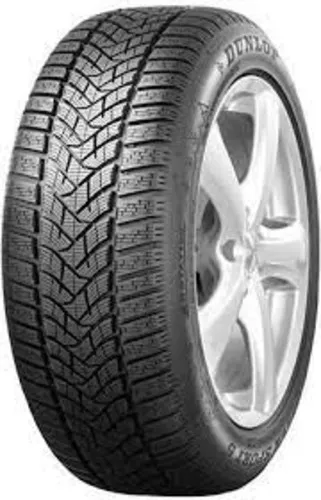
Compare prices across all available dimensions for these tyres.
VS
VS
VS
VS
VS
VS
VS
VS
VS
VS
Dunlop Winter Sport 5 vs Bridgestone Blizzak LM-005
Dunlop Winter Sport 5 vs Michelin Alpin 6
Dunlop Winter Sport 5 vs Vredestein Wintrac Pro
Dunlop Winter Sport 5 vs GoodYear UltraGrip Performance+
Michelin Alpin 5 vs Nokian WR D4
Michelin Alpin 5 vs Vredestein Snowtrac 5
Michelin Alpin 5 vs Bridgestone Blizzak LM-001 EVO