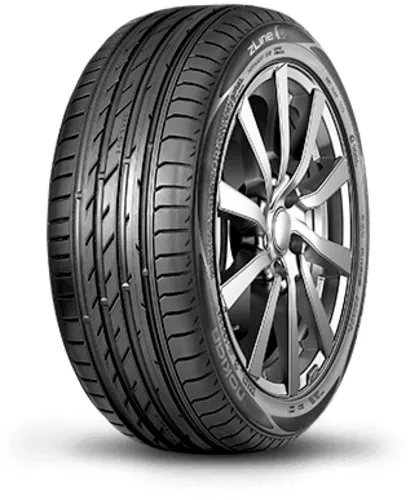
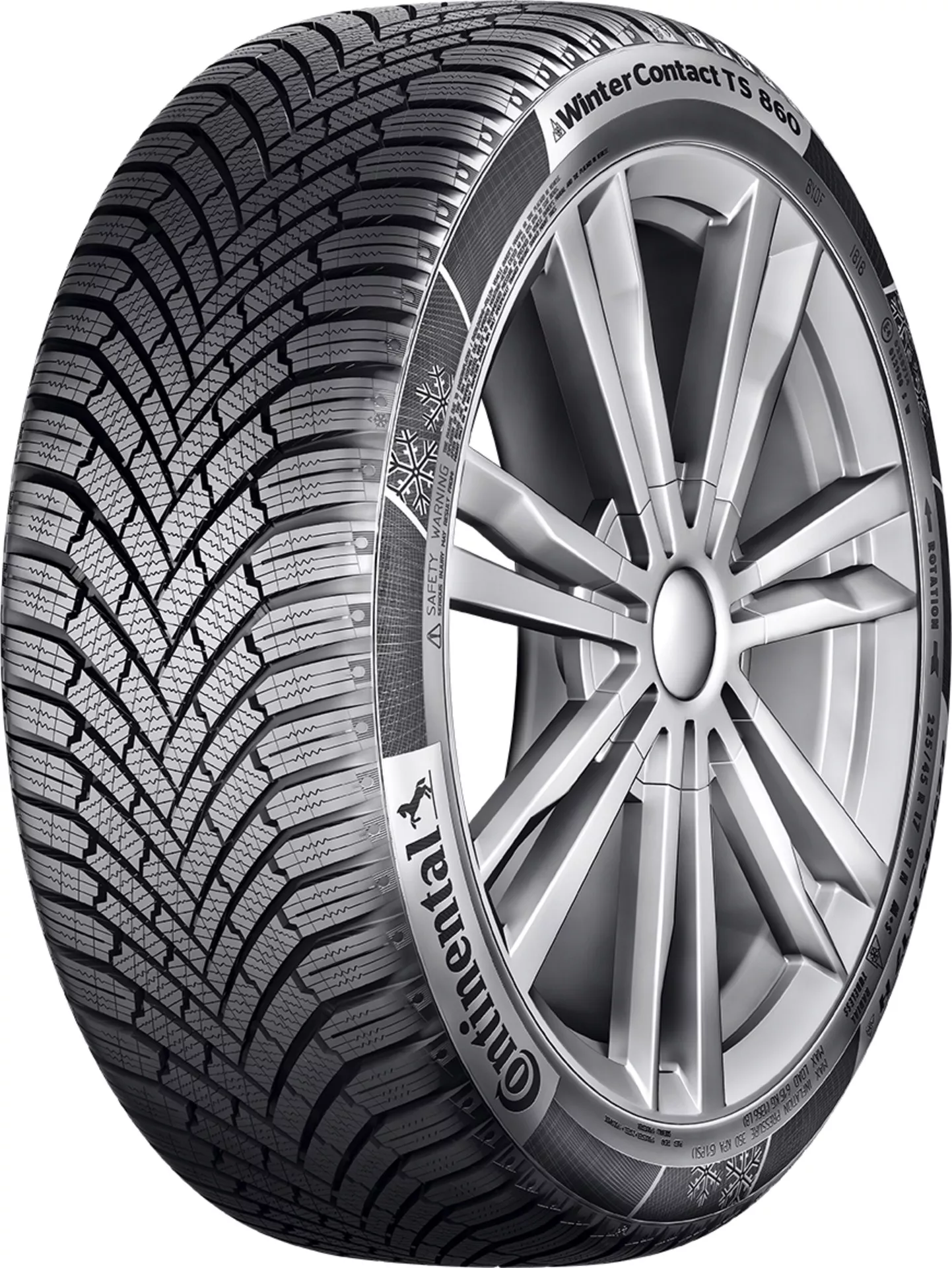
Continental dominates wet conditions; Nokian matches it on snow at a lower rolling resistance.
The Continental WinterContact TS 860 and the Nokian WR D4 are both friction winter tyres, but they represent genuinely different philosophies. The Continental — now succeeded by the TS 870 but still widely fitted — is a benchmark all-conditions winter performer with class-leading wet and dry grip. The Nokian, bred in Finnish conditions, is a snow and ice specialist with an extraordinary rolling resistance figure that few winter tyres can match. Across 16 mutual tests, the Continental won every single one — but the gap on snow is far narrower than you might expect, and the Nokian has a compelling case of its own for the right buyer.
WinterContact TS 860
WR D4


Averaged from 7 tests
Continental WinterContact TS 860
Nokian WR D4
Continental WinterContact TS 860
Nokian WR D4
Continental WinterContact TS 860
Nokian WR D4
Continental WinterContact TS 860
Nokian WR D4
Continental WinterContact TS 860
Nokian WR D4Wet performance is where the gap between these two tyres opens up most dramatically. The Continental WinterContact TS 860 averages 34.1m in wet braking across three measured tests, against 36.5m for the Nokian WR D4 — a difference of 2.4 metres that is meaningful at real-world speeds. The Continental's wet braking score of 89.5 versus the Nokian's 69.8 tells the same story, and its aquaplaning resistance (87.6 vs 74.5) reinforces it. On wet handling, the Continental is among the strongest winter tyres in its generation. The Nokian is competent but clearly a step behind in mixed wet-winter conditions, and buyers who regularly encounter rainy winter days should weight this heavily.
Continental WinterContact TS 860
Nokian WR D4
Continental WinterContact TS 860
Nokian WR D4
Continental WinterContact TS 860
Nokian WR D4
Continental WinterContact TS 860
Nokian WR D4On dry tarmac the Continental WinterContact TS 860 holds a clear edge, scoring 84.2 in our dry composite versus 79.9 for the Nokian. Measured dry braking distances are similar — both tyres are in broadly the same territory — but the Continental's handling confidence on dry winter roads is consistently reported as more predictable and assured, with good lateral grip that inspired confidence in testers across multiple independent evaluations. The Nokian WR D4 is perfectly adequate on dry roads and owners generally report a reassuring feel, but it lacks the crispness of the Continental when the temperature drops and drivers push harder.
Continental WinterContact TS 860
Nokian WR D4
Continental WinterContact TS 860
Nokian WR D4
Continental WinterContact TS 860
Nokian WR D4
Continental WinterContact TS 860
Nokian WR D4Snow is the Nokian's strongest suit — and where it comes closest to the Continental. Average snow braking across three tests is virtually identical: 26.9m for the Continental versus 27.1m for the Nokian, a statistically negligible difference. Snow handling and circle cornering scores are similarly tight, with the Nokian actually edging a fractionally higher composite snow score (91.7 vs 90.5). Real owners praise the WR D4 emphatically for deep snow traction and confident braking on wintry roads, and this is exactly the environment it was designed for. The Continental is no slouch in snow — it's an excellent all-round winter tyre — but if deep snow and ice are your primary concern, the Nokian closes the gap substantially.
Continental WinterContact TS 860
Nokian WR D4
Continental WinterContact TS 860
Nokian WR D4
Continental WinterContact TS 860
Nokian WR D4
Continental WinterContact TS 860
Nokian WR D4
Continental WinterContact TS 860
Nokian WR D4The Continental WinterContact TS 860 is the more comfortable and refined of the two. It scores 79.2 in comfort and 77.8 in noise, while the Nokian trails at 71 and 69 respectively. Owners of the Continental frequently highlight its quiet motorway behaviour, and many are pleasantly surprised by how little it intrudes on the driving experience compared to older winter tyres. The Nokian WR D4 is not especially noisy by winter tyre standards, but it doesn't match the Continental's refinement. Where the Nokian does score a remarkable win is rolling resistance — its score of 99.3 is extraordinary for a winter tyre, pointing to real-world fuel savings that careful owners will notice over a full season. Mileage, however, favours the Continental (77 vs 66.6), and some owners report faster-than-expected wear on the Nokian.
Continental WinterContact TS 860
Nokian WR D4
Continental WinterContact TS 860
Nokian WR D4
Continental WinterContact TS 860
Nokian WR D4The Continental WinterContact TS 860 is the more complete winter tyre — dominant in wet conditions, well-rounded across all metrics, and backed by one of the strongest test records of any winter tyre in its generation. It suits drivers who need genuine confidence in mixed winter weather: cold rain, slush, packed snow, and the occasional dry day. Its successor, the TS 870, has since raised the bar further, so buyers should check availability. The Nokian WR D4 makes the most sense for drivers in harsher northern climates where deep snow and ice dominate, fuel economy is a genuine priority, and wet performance is a secondary concern. It's a well-priced tyre from a brand with deep winter heritage that delivers where it counts most — in the white stuff.
Compare prices across all available dimensions for these tyres.
VS
VS
VS
VS
VS
VS
VS
VS
VS
VS