Comparison: Barum Polaris 5 vs. Sava Eskimo HP2 (2026)
Also compare with
Barum rides quieter and handles better on dry; Sava lasts longer and grips harder on ice.
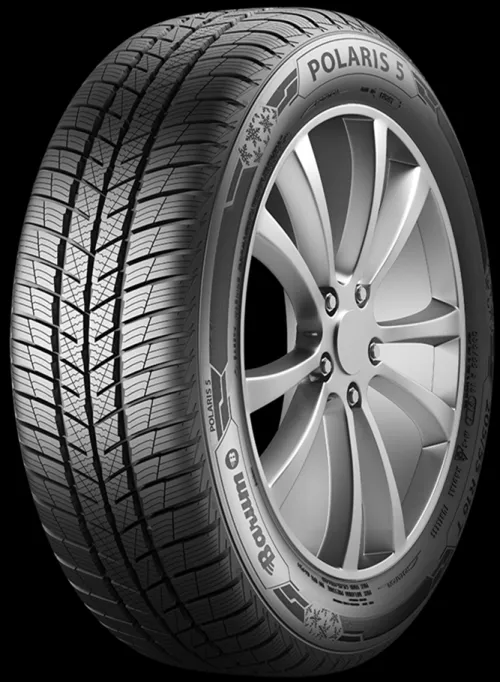
When two budget winter tyres share the same test fields six times and split the results exactly 3–3, you know the comparison is going to be close. The Barum Polaris 5 — a Czech-built tyre from the Barum stable within the Continental group — and the Sava Eskimo HP2, a Goodyear-family product from Sava, are genuinely neck-and-neck in overall competence. But they do have distinct characters. The Polaris 5 leans toward a more dynamic dry feel, lower noise, and strong value credentials. The Eskimo HP2 counters with a slightly higher mileage potential, better wet braking scores in testing, and a strong reputation on snow and ice — particularly from real-world owners who rate it noticeably higher. Neither tyre is going to trouble the premium names, but both punch above their price point in their own ways. The Polaris 5 is the more comfortable and refined daily companion; the Eskimo HP2 is the slightly tougher, longer-lasting winter specialist.
 Polaris 5
 Eskimo HP2


These tyres were not tested together. The comparison below is inferred from separate tests by normalizing both tyres against 30 shared benchmark tyres, so treat it as an estimate.
 Barum Polaris 5Sava Eskimo HP2Barum Polaris 5Sava Eskimo HP2Barum Polaris 5Sava Eskimo HP2Barum Polaris 5Sava Eskimo HP2Barum Polaris 5Sava Eskimo HP2
On dry tarmac, the two tyres are almost indistinguishable on paper — dry scores of 70.5 and 70.8 respectively — but the test feedback reveals subtle differences in character. The Polaris 5 has been praised for its dynamic dry handling and confident feel at normal road speeds, with reviewers noting a composed and predictable response. The Eskimo HP2 is a different story at the limit: testers have flagged a lack of dry precision and weak behaviour in limit situations, suggesting it becomes nervous and less communicative when pushed. For everyday commuting this rarely matters, but it does suggest the Barum rewards a driver who occasionally wants to place the car accurately on a dry B-road.
Barum Polaris 5Sava Eskimo HP2Barum Polaris 5Sava Eskimo HP2Barum Polaris 5Sava Eskimo HP2Barum Polaris 5Sava Eskimo HP2Barum Polaris 5Sava Eskimo HP2Barum Polaris 5Sava Eskimo HP2Wet performance is the area where both tyres draw the most criticism — and both deserve it. Across five measured wet braking tests, the Polaris 5 averages 36.1 metres versus the Eskimo HP2's 36.7 metres — a marginal advantage for the Barum. Yet the Sava's wet braking score in aggregated testing (66.8 vs 63.1) tells a slightly different story, suggesting the Sava performs more consistently across a broader range of wet conditions. Aquaplaning resistance is similarly close (64.5 vs 65.8 in favour of Sava). Both have been cited for wet weaknesses: the Polaris 5 for understeer and limited aquaplaning reserves, the Eskimo HP2 for general wet handling shortfalls. Real-world Sava owners, however, frequently praise its wet grip and describe a predictable, confidence-inspiring feel in the rain — a meaningful counterpoint to the lab data.
Barum Polaris 5Sava Eskimo HP2Barum Polaris 5Sava Eskimo HP2Barum Polaris 5Sava Eskimo HP2Barum Polaris 5Sava Eskimo HP2Barum Polaris 5Sava Eskimo HP2Snow is where both tyres genuinely earn their winter classification. The Eskimo HP2 has the edge in average snow braking — 26.6 metres versus the Polaris 5's 27.1 metres across five shared tests — and its snow and ice scores across detailed testing are impressive for the price, with snow braking, snow traction, and ice braking all scoring in the mid-to-high 80s. The Barum's snow credentials are solid too, particularly praised for traction and its optimised sipe arrangement that Barum highlights as the centrepiece of the Polaris 5's design. Owner feedback backs the Sava's winter ability strongly: over a quarter of Heureka reviewers specifically mention good snow and ice grip. The Polaris 5 draws similar praise, though one owner switching from Sava to Barum noted a surprising drop in snow performance — an outlier, but worth noting.
Barum Polaris 5Sava Eskimo HP2Barum Polaris 5Sava Eskimo HP2Barum Polaris 5Sava Eskimo HP2Barum Polaris 5Sava Eskimo HP2Barum Polaris 5Sava Eskimo HP2Barum Polaris 5Sava Eskimo HP2Barum Polaris 5Sava Eskimo HP2The Polaris 5 takes a clear lead here. Its comfort score of 73.3 versus the Eskimo HP2's 72.0 is backed up by a more meaningful gap in noise: 75.2 against 73.1. Barum has consistently been praised for low rolling resistance and a quiet, refined ride — attributes that matter on long motorway runs. The Sava has a noisier reputation, with a minority of owners specifically calling out tyre noise as the main downside. On mileage, however, the Eskimo HP2 pulls ahead slightly (75.8 vs 72.4), and its rolling resistance score of 82.5 is fractionally better — meaning over a full set's lifetime it may cost a little less in fuel.
Barum Polaris 5Sava Eskimo HP2Barum Polaris 5Sava Eskimo HP2Barum Polaris 5Sava Eskimo HP2Barum Polaris 5Sava Eskimo HP2Choose the Barum Polaris 5 if comfort, daily refinement, and strong price-to-value ratio are your priorities. It drives more dynamically on dry roads, is quieter, and its predecessor the Polaris 3 already had strong foundations — the Polaris 5 builds on them well. Note that the Polaris 6 has since followed it, so check availability for your size. Choose the Sava Eskimo HP2 if you want the best mileage per euro, slightly stronger snow and ice credentials, and a tyre that real-world owners rate more highly overall — TyreReviews users give it 80/100 against the Polaris 5's 71/100. The Sava's dry-limit behaviour is its clearest weakness, but for a budget winter tyre used in typical commuting conditions, that rarely becomes an issue.
Compare prices across all available dimensions for these tyres.
 VS
VS
 VSVSVS
 VSVS
VSVS VSVS
VSVS VSVS
VSVS Barum Polaris 5 vs BFGoodrich G-FORCE WINTER 2Barum Polaris 5 vs Bridgestone Blizzak LM-005Barum Polaris 5 vs Michelin Alpin 6
 Barum Polaris 5 vs Vredestein WintracSava Eskimo HP2 vs Bridgestone Blizzak LM-005
 Sava Eskimo HP2 vs Dunlop Winter Sport 5Sava Eskimo HP2 vs Michelin Alpin 6
 Sava Eskimo HP2 vs Nokian WR Snowproof