Comparison: Barum Polaris 5 vs. Kumho WinterCraft WP51
1 mutual test(s) with detailed data
Also compare with
The budget Barum outbrakes the mid-range Kumho on both wet roads and snow.
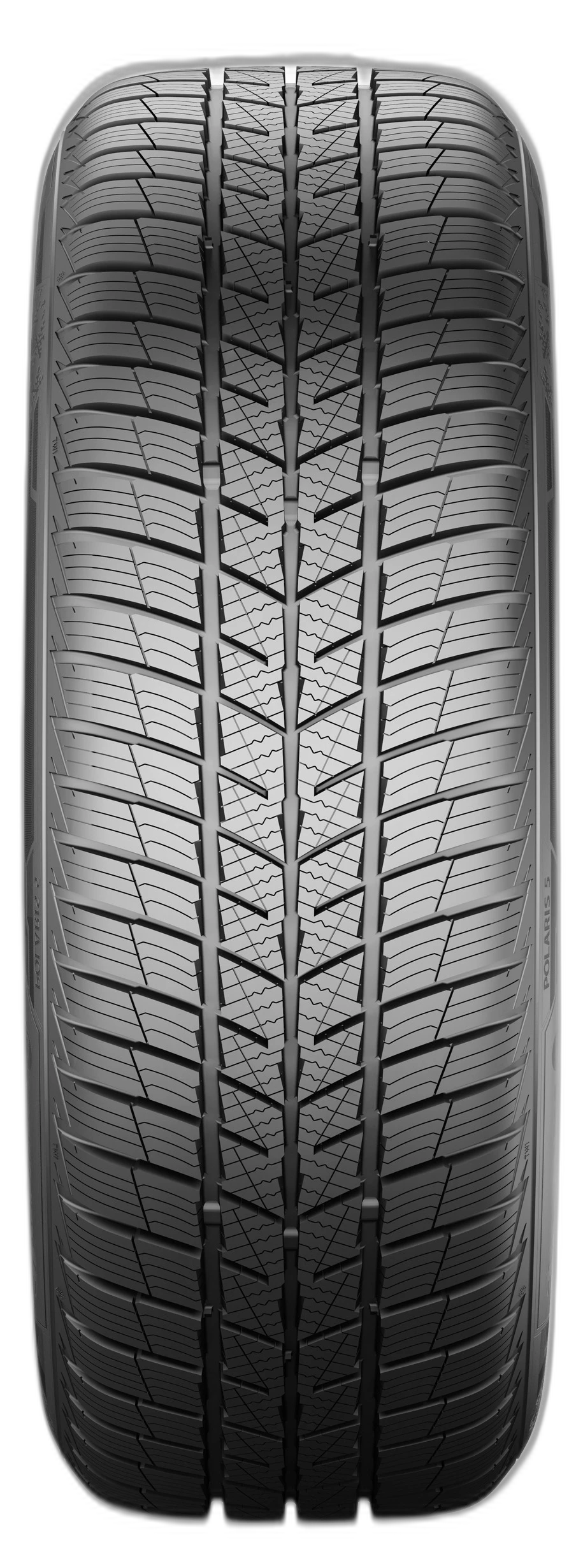
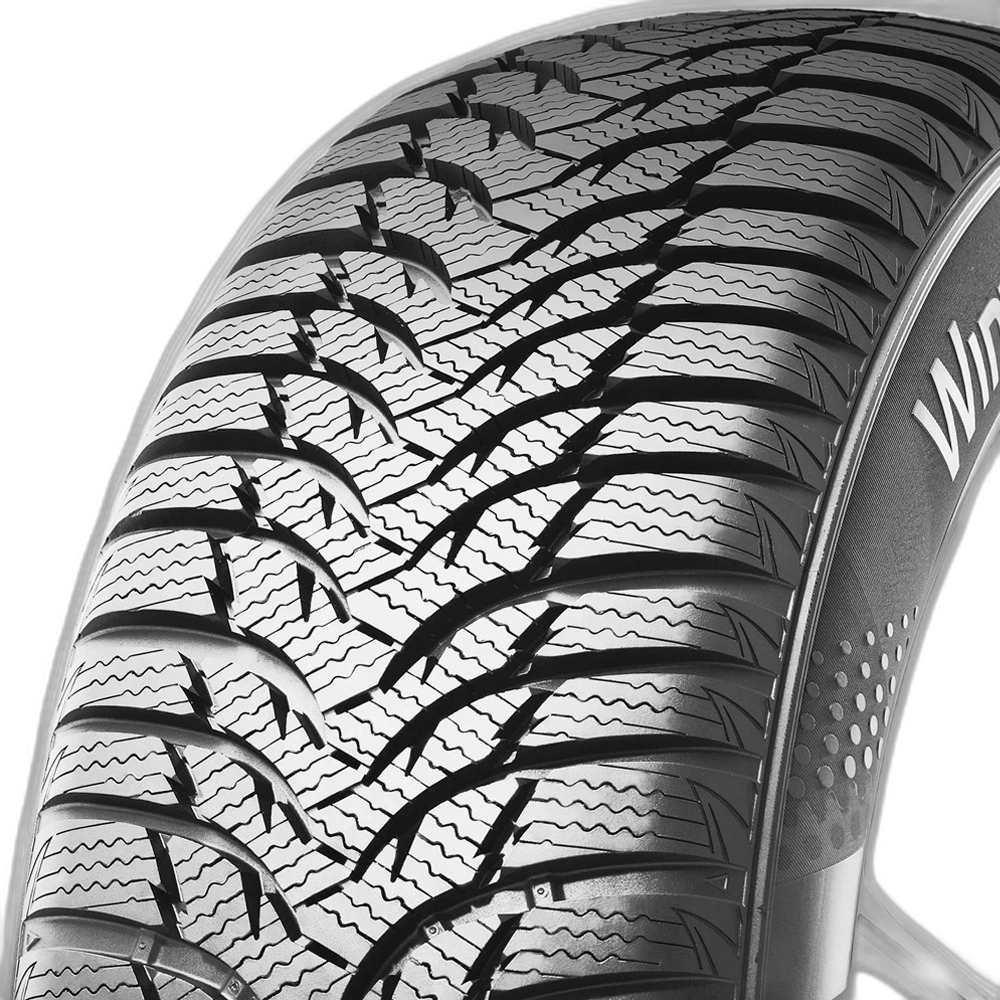
On paper, Barum Polaris 5 and Kumho WinterCraft WP51 occupy different shelves in the winter tyre market — the Barum is a low-cost option from the Continental group's Czech stable, the Kumho a mid-range Korean product. Yet when tested head to head, it is the budget tyre that comes out ahead. Across two mutual tests the Barum placed 12th of 16 in the ADAC's 2021 assessment while the Kumho finished last, and in AutoBild's 50-tyre braking shootout the Barum ranked 15th versus the Kumho's 31st. That result sets the tone for everything that follows: this is a comparison where the cheaper tyre punches unexpectedly hard, and the Kumho — now superseded by the WinterCraft WP52 — struggles to justify its mid-range positioning in the data.
 Polaris 5
 WinterCraft WP51


 Barum Polaris 5Kumho WinterCraft WP51Barum Polaris 5Kumho WinterCraft WP51Barum Polaris 5Kumho WinterCraft WP51Barum Polaris 5Kumho WinterCraft WP51Barum Polaris 5Kumho WinterCraft WP51
Wet roads are where the Barum's weaknesses are most documented — and where the mutual test data is most revealing. In AutoBild's 2021 braking test, the Barum stopped in 36.1m on wet roads versus 37.8m for the Kumho, a 1.7-metre advantage to the Barum across a 205/55 R16 representative size. That is a meaningful gap at real-world speeds and runs counter to the Kumho's higher aquaplaning scores. Testers have repeatedly flagged the Polaris 5's limited wet grip reserves and understeer on wet roads as its most consistent weakness, and the EU label's C wet grip rating underlines this. Yet the Kumho posts a very similar C rating, and in the actual braking test it was worse — suggesting the Kumho's wet aquaplaning resistance is genuine while its braking sharpness on wet surfaces is not. Real-world wet conditions reward neither tyre unconditionally, but the Barum edges it in the numbers that matter most.
Barum Polaris 5Kumho WinterCraft WP51Dry winter performance is closer than the test rankings suggest. The Kumho WP51 holds a small edge in dry braking, averaging around 72.8 in braking scores versus the Barum's 69.1, and its dry handling composite is modestly stronger. Barum itself positions the Polaris 5 as offering dynamic dry handling, and testers have confirmed it behaves safely on dry winter roads — controlled and predictable if not especially sharp. The Kumho's dry handling scores in measured testing are also respectable. Neither tyre will worry a driver in cold but clear conditions, but the Kumho's slightly more assured dry character does give it a narrow advantage here that the braking averages reflect.
Barum Polaris 5Kumho WinterCraft WP51Barum Polaris 5Kumho WinterCraft WP51Barum Polaris 5Kumho WinterCraft WP51Snow is the most competitive ground between these two, and the most relevant given both are winter tyres. In the AutoBild braking test, the Barum averaged 28.8m on snow against 29.8m for the Kumho — a one-metre advantage that is consistent with the Barum's strong test profile in this area. The Kumho's own snow braking and ice performance scores are solid, and its ice grip data is notably good, suggesting it handles compacted and icy surfaces with genuine competence. The Barum Polaris 5 is designed with optimised block geometry and multifunctional sipes to maximise grip in all directions on snow, and the test results confirm this delivers. Owner feedback is mixed but leans positive on snow — one Skoda Rapid owner praised the Polaris 5 as better than the Polaris 3 with incredible braking on ice, while another BMW xDrive owner found it underwhelming in town snow. On balance the Barum leads on snow, but the Kumho is a genuine winter performer, particularly on ice.
Barum Polaris 5Kumho WinterCraft WP51Barum Polaris 5Kumho WinterCraft WP51Barum Polaris 5Kumho WinterCraft WP51Barum Polaris 5Kumho WinterCraft WP51The Barum Polaris 5 is the more economical tyre by a considerable margin. Its rolling resistance score of 82 is one of the strongest in the low-cost winter segment — ADAC independently confirmed it as the lowest fuel consumption in its test group — while the Kumho WP51 scores just 49 in the same metric, a significant difference that will show up in real-world fuel bills over a full winter season. The Barum also leads on projected mileage (72.4 vs 66.7), and some WeatherProof owners have flagged faster-than-expected wear. On noise and ride comfort the Barum has a meaningful advantage too, with owners regularly noting how quiet it is for a budget winter tyre. The Kumho is not especially refined, and ADAC noted it as relatively loud in testing.
The Barum Polaris 5 wins this comparison more convincingly than its low-cost label suggests. It finishes ahead in both mutual tests, stops shorter on wet and snowy roads, uses less fuel, lasts longer, and runs quieter. Its genuine weakness is wet grip reserve and aquaplaning — not a trifling concern — but the Kumho does not escape scrutiny there either, finishing behind on wet braking despite its higher aquaplaning score. For budget-conscious buyers who want a capable, efficient winter tyre for mixed winter conditions, the Polaris 5 is the stronger choice, and it has since been updated into the Polaris 6 for those wanting the latest generation. The Kumho WinterCraft WP51 may suit drivers who prioritise ice grip specifically and accept the fuel cost penalty, but with the WP52 now available, the WP51 is a tyre that has been overtaken both by its own successor and, in the data, by its budget rival.
| Organization | Season | Year | Dimension | |
|---|---|---|---|---|
 ADAC ADAC | Winter | 2021 | 195/65 R15 | View |
Compare prices across all available dimensions for these tyres.
 VS
VS
 VSVSVS
 VSVS
VSVS VSVS
VSVS VSVS
VSVS







